How new taxes are pushing smokers back to the streets

May 7, 2026, 10:52 AM
Smokers can easily buy low-quality tobacco options from corner stores across Male'.

Smokers can easily buy low-quality tobacco options from corner stores across Male'.

Three years ago, *Vitte noticed he could no longer play through his twice-weekly futsal games. He was sitting out after 20 minutes, completely out of breath. His endurance had really taken a toll.

Vitte had tried to stop smoking before. It lasted three days. Between work stress and managing family responsibilities, giving it up completely just wasn't realistic for him. He knew he needed something in between, a way to step down gradually. That's when he decided to switch. He'd heard about heated tobacco. It wasn't quitting entirely, but it seemed like a step in the right direction. He tried it.

Within a couple of months, he noticed the difference. He could play a full hour again without sitting out. The lingering cigarette smell on his clothes disappeared. And there were no more cigarette butts to deal with; everything went straight in his pocket until he found a bin.

"When you're hitting 40, staying active like that matters," Vitte said. "I want to keep playing for years."

Then last year, the government introduced stricter regulations and higher taxes on tobacco products. Overnight, what had been helping him became just as expensive as the cigarettes he was trying to leave behind.

Priced out of both regulated cigarettes and his alternative, Vitte did what made sense for his budget: he turned to the cheapest option available.

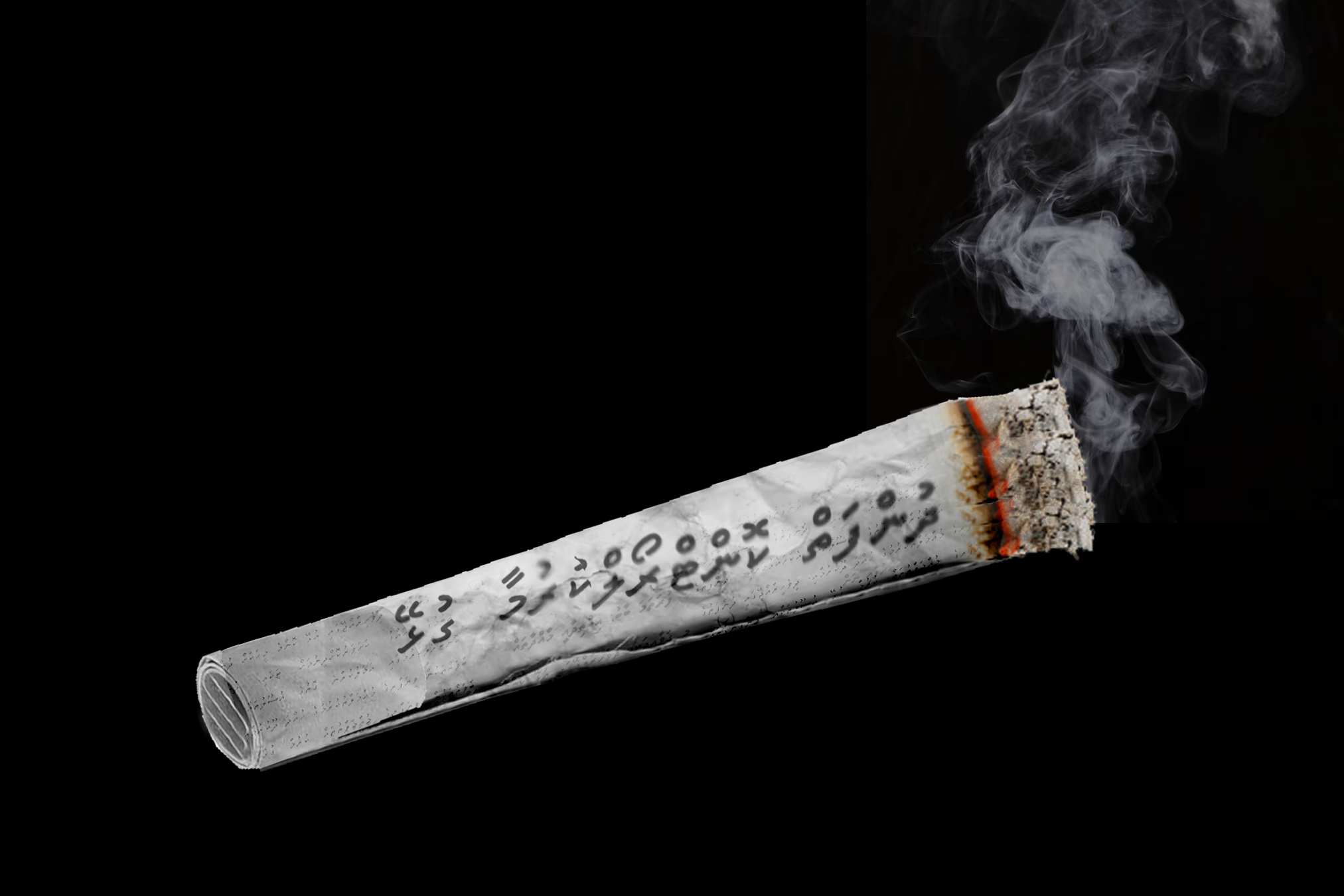
He started buying loose tobacco and rolling it himself, but it was messy and time-consuming. He wasn't very good at it. The rolls were uneven, they burned too fast, and half the time they fell apart before he could finish them. 

Then he realized the corner shops near his house and office would do it for him. One shop was a two-minute walk from his apartment, another right next to his office.

"It's easier on the wallet," Vitte said. "And I don't have to deal with rolling them myself."

But the improvements he noticed when he switched to heated tobacco? They didn't last. His endurance got worse again. He was sitting out during games, and his clothes reeked of smoke. His wife, who had been relieved when the cigarette smell disappeared from their home, now found herself dealing with secondhand smoke again.

Vitte knows what he's smoking now is probably worse. "But heated tobacco was working for me," he said. "I was actually cutting down.” For him, with what he could afford, this was the only path left.

The goal of the new taxes and regulations was undoubtedly to protect public health. But the reality tells a different story. By treating every product exactly the same, policies have accidentally punished people like Vitte who were actively trying to make better choices, not just for themselves, but for the people around them. For a policy to actually work, it needs to be smarter. It needs to guide consumers toward regulated options, not trap them in an all-or-nothing cycle that ultimately just funds the underground market.

(*Name has been changed to protect privacy.) 

Comments

Read More

Latest News

Fed rate hike will exacerbate dollar crisis in Maldives

The Federal Reserve's 0.25% interest rate hike is expected to worsen the dollar shortage in the Maldives by driving capital back to the U.S. This shift increases global borrowing costs and debt servicing expenses for the import-dependent nation, placing significant strain on its budget and requiring more effective fiscal management.

Muizzu's family member becomes resort shareholder

Hassaan Waheed, a diplomat and relative of Maldives President Mohamed Muizzu, has sparked controversy after becoming a shareholder in a luxury resort despite having no business background. Allegations suggest he used his political influence and family ties to secure the shares, raising serious concerns about government corruption.

Has the Revised Duty Helped Create a More Balanced Market?

A 2026 cut in cigarette import duties has successfully reduced the prevalence of illicit tobacco in the Maldives. Retailers report a significant shift as consumers move toward legal brands, narrowing the gap between regulated and smuggled products. This policy supports the government's broader goal of strengthening the legal economy.

The FDA Just Said It’s Less Risky. Are We Ignoring the Science?

The FDA authorized ZYN nicotine pouches to claim they pose lower health risks than cigarettes, based on evidence that non-combustible products contain fewer harmful chemicals. While the agency stresses that no nicotine product is safe, the decision highlights a shift toward using risk-based science to inform global tobacco policy.

Lower Taxes, Less Smoking? Inside the Government's Five-Year Plan

The government has launched a five-year plan to create a tobacco-free society through education, healthcare support, and a generational ban. However, critics highlight a major contradiction: while cessation aids are now duty-free, cigarette taxes were halved. This raises concerns about the policy's effectiveness and the lack of alternatives.

Fact Check: Are All Cigarette Alternatives Actually Riskier?

After raising cigarette duties led smokers toward dangerous illicit markets and unregulated products, the government has reversed the tax hike. The decision highlights global debates on whether various cigarette alternatives carry different health risks compared to traditional smoking, emphasizing the need for clear risk classification.

Is This BML's Problem or the State's?

The Bank of Maldives has faced scrutiny after imposing strict foreign currency limits and then launching a high-interest dollar investment scheme. These moves suggest a severe liquidity crisis within the state-owned bank. The lack of transparency from the bank and central authority raises concerns about the nation's financial stability.

Newsletter

Get the latest news delivered straight to your inbox