Written by Eva Abdulla
---
One basic tenet of truly getting along, whether in a marriage, a friendship, at the workplace, or in a community, is: I do not have to like or agree with what you say to protect your right to say it. We all know this. We all also know that this wisdom remains all the more true in the governing of a country, and people.
As journalists took to the streets to protest the Majlis’s passage of the new censorious media regulation bill, and as police responded with the heavy-handed tactics from the old authoritarian playbook, some people have taken to social media pointing to protesting journalists, asking where their voices were during previous governments’ corruption, or challenging more veteran reporters asking why they remained silent during an entire earlier dictatorship. Certainly the attempt is to discredit and belittle the protesting journalists, but these criticisms miss a fundamental truth about press freedom: it protects the principle.
Modern media is a many-headed beast. Like Hydra, strike down one voice and countless others emerge to take its place. This is how I like my mythological beasts and how I like my press: free. With the whirlwind of X and TikTok and Instagram and Facebook, and WhatsApp, and Snapchat and Viber and Threads and Clubhouse and countless other platforms (that myself and President Muizzu, both cusp GenX-Millennials, probably don’t even know exist), and now especially with artificial intelligence, the very notion that a government could successfully silence dissent seems almost quaint.
Need evidence? Case in point, and case in point from so nearby: anti-corruption protesters in Nepal used Discord and Bitchat to mobilise an uprising that led not just to the resignation of the Prime Minister, but to actually picking and installing the country’s first female PM.
Consider too the Maldives’ own track record of attempting to control the media. Walk backwards through recent presidencies: the previous administration attempted control through sprawling patronage, and abusing state resources to keep the pro- government headlines coming. President Yameen's Defamation Act, jailing journalists and legal threats barely made a ripple. Social media raged, opposition voices never let up, and leaks from corruption scandals dominated every café and street corner chatter during his entire tenure. Growing up under President Maumoon, we knew only one state-owned radio and TV station, plus papers owned by cabinet ministers. In each case, the truth still found its way into the public.
This Media Bill will likely go the way of hundreds of other ineffectual laws in this country that the public simply ignores. They will join the long list of regulations flouted daily and practically by everybody: smoking bans, dollar trading restrictions, speeding limits, practically every regulation from the FDA and HPA, expatriate worker regulations (both work restrictions and their protections), laws on illicit enrichment, and last but not least, the Fiscal Responsibility Act, which is flouted by every single government.
Many of us recognise the country's dire debt distress and fiscal situation. We understand there is insufficient funding for every promised project. But it is the situation the government got elected into, and so therefore it is the situation it must deal with. If the strategy for managing public disappointment involves legal intimidation, this administration too has fundamentally misunderstood both governance and human nature.
If you want journalists to stop criticising, telling them to be quiet is perhaps the most foolish possible strategy. If you hoped journalists would simply comply, you may have misjudged your audience: journalism attracts people who want to ask questions for a living.
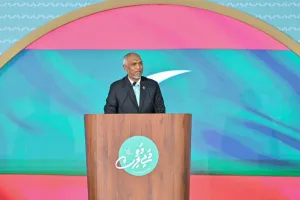
Instead of hiding behind oppressive legislation, the President should step before the microphones and speak to the people. Explain the fiscal realities. Detail the constraints. Outline the priorities and trade-offs. Outline the government's roadmap for when we can, and how we will emerge from this as a nation. Tell the journalists and thereby the public why the harbours are halted and why the airports are delayed. Explain why electricity bills are so high. Explain to contractors why they aren’t being paid and when they can expect payment. Be honest about the dollar shortage and lay out concrete steps to address it. Tell the public why Aasandha is failing to cover basic medicine. Stop the waste of state resources and deal with the corruption. Transparency builds trust; censorship destroys it. This is another basic tenet that has been tried, tested and proven.
Insecurity is deeply unattractive in a leader. The authoritarianism that seems to inevitably follow is equally unappealing. The bill now awaits the presidential signature. President Muizzu must choose wisely. You cannot CTRL shift-delete free press.
---
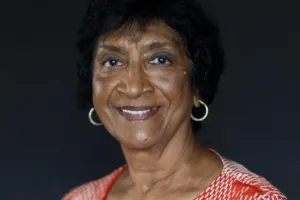
Eva Abdulla is the former Deputy Speaker of the Maldives parliament. She served three consecutive terms in the People's Majlis representing Galolhu North constituency.