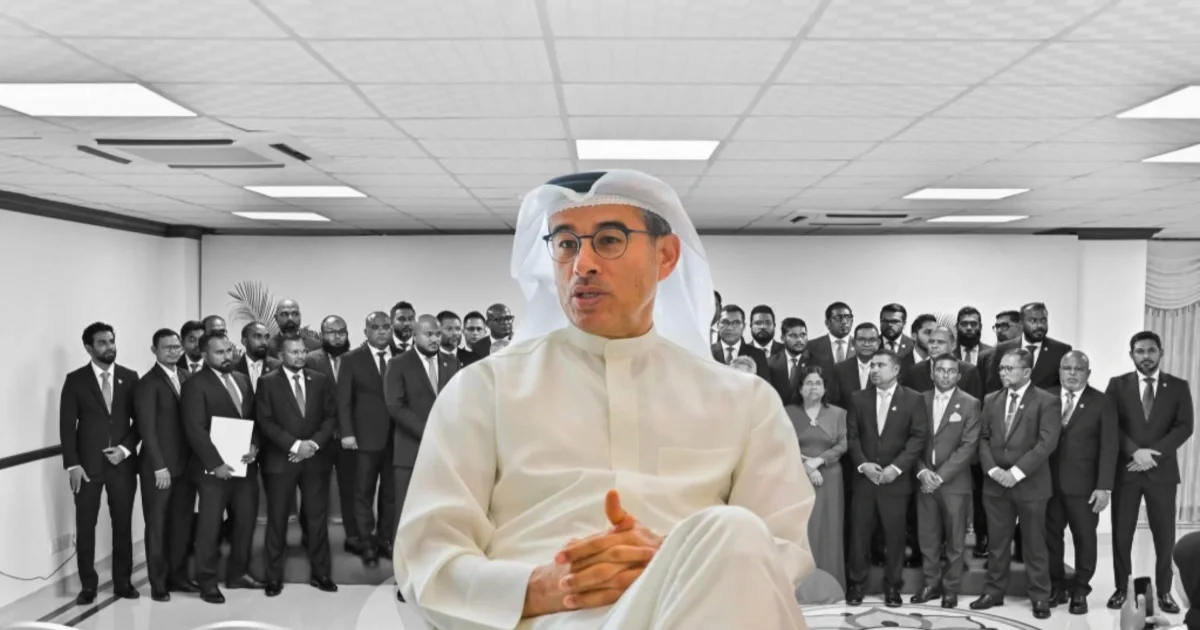
Public concern has surfaced in the Maldives involving Mohamed Alabbar, the prominent Emirati billionaire and Chairman of Eagle Hills. Following the signing of an agreement to develop a massive real estate project in Rasmalé, Maldivian opposition figures and members of the public have voiced strong dissent, with some directly accusing Alabbar of being a "Zionist."
To understand why such heavy geopolitical allegations are being levelled against a renowned Gulf businessman, one must examine the history of his business proposals, relationship-building efforts, and philanthropic activities within Israel over the past 20 years.
First Reports of Ties to Israel: A 20-Year History
Political figures and the public base their belief in Alabbar’s connection to Zionist interests on several key events dating back to 2005:
- The Gaza Proposal - Reports of Alabbar’s ties to Israel first emerged in February 2005. While serving as Chairman of Emaar Properties, he travelled to Jerusalem for secret meetings with then-Israeli Prime Minister Ariel Sharon and Deputy Prime Minister Shimon Peres. Reports at the time indicated that Alabbar offered $56 million to privately purchase 21 Jewish settlement homes in Gaza ahead of the planned Israeli military withdrawal. Alabbar described this as a humanitarian effort to preserve infrastructure essential for the Palestinian economy. However, this occurred years before the UAE and Israel established formal ties. As a result, he faced severe criticism from senior UAE government officials for engaging in unauthorised diplomatic relations, sparking a political firestorm in his home country that was reported in the Emirati press.
- Secret Aid to Israel - Years before the "Abraham Accords" normalised relations between some Arab nations and Israel, Alabbar strengthened his financial ties with Israel. An Israeli newspaper later revealed that since 2018, Alabbar has been among the five primary donors funding Israel’s "National Food Security Initiative." His contributions provided food vouchers to thousands of underprivileged Israeli families. Critics argue this constituted a direct subsidy to Israel’s domestic social infrastructure.
- Advocacy for the Abraham Accords - Following the 2020 agreement to normalise relations between the UAE and Israel, Alabbar emerged as one of the deal’s most prominent business advocates. Speaking at the "UAE-Israel Future Digital Economy Summit," he openly advocated for strengthening economic and familial ties between Arabs and Israelis, stating that business relations would only flourish once personal bonds were solidified.
- The Abu Dhabi Wedding Video - In September 2022, Alabbar attended the wedding of Levi Duchman, the first resident rabbi in the UAE. A video showing Alabbar standing under a traditional Jewish wedding canopy (Chuppah) reciting a blessing in Arabic circulated widely on regional social media. Opponents frequently use this footage to question his political and religious leanings.
Current Resentment in the Maldives
The suspicions surrounding Alabbar collided with the Maldivian political landscape on September 21, 2026. This was the day Eagle Hills abruptly signed an agreement to develop the "Maldives Waterfront and Marina Project" in Rasmalé. Public scrutiny intensified following the decision to grant 500 hectares of land for 99 years free of charge under this agreement.
Given the long-standing Maldivian advocacy for Palestinian rights, public unease escalated into protests, fueled in part by a video interview with Alabbar. When questioned about the impact of the genocide being carried out by Israeli Zionists against Palestinians, Alabbar stated that his companies would have no involvement in rebuilding Gaza. He remarked that those involved in the conflict must take responsibility for "cleaning up the mess" they created, adding that he is not a "charity."
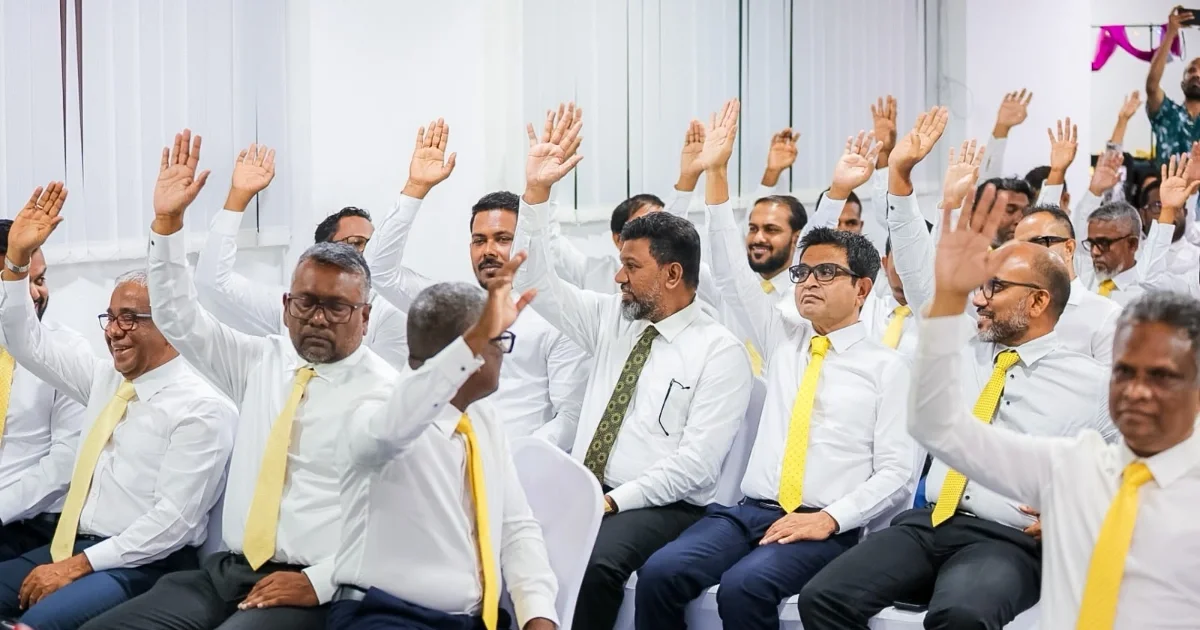
In the People’s Majlis, some members of the opposition Maldivian Democratic Party (MDP) have characterised Alabbar as a "Zionist." They argued that entrusting such a massive project to him is an insult to the Maldivian people and warned that granting his company long-term land rights serves as a "backdoor" for Zionist influence and ownership to enter the Maldives.
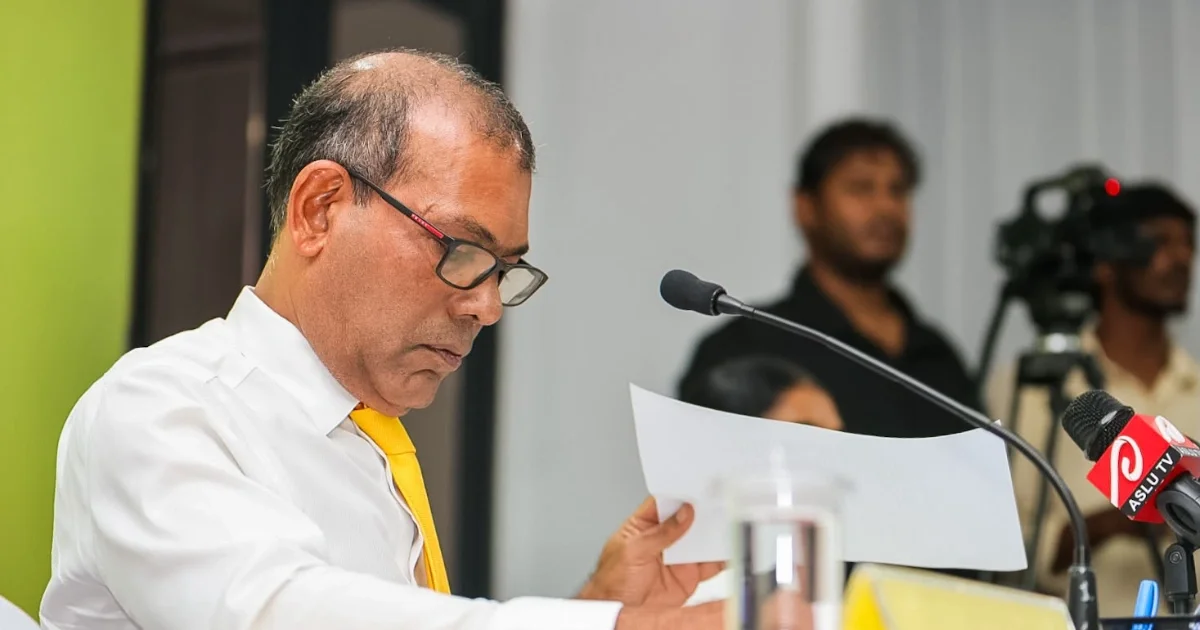
However, some within the MDP, including the Chairperson and former President Mohamed Nasheed, maintain that this issue has no connection to Zionism. They expressed concern that such rhetoric could damage relations between the UAE and the Maldives, suggesting that the Rasmalé project should instead be questioned based on its lack of transparency.
Nevertheless, it remains a matter of record that Alabbar’s ties to Zionist interests have been documented since 2005. Most of his critics are not seeking to undermine UAE-Maldives relations, but rather expressing a deep-seated distrust. As the plight of the Palestinian people remains an undeniable humanitarian catastrophe, many Maldivians remain wary of an individual who has spoken unsympathetically about them while maintaining a history of clandestine cooperation with their oppressors.