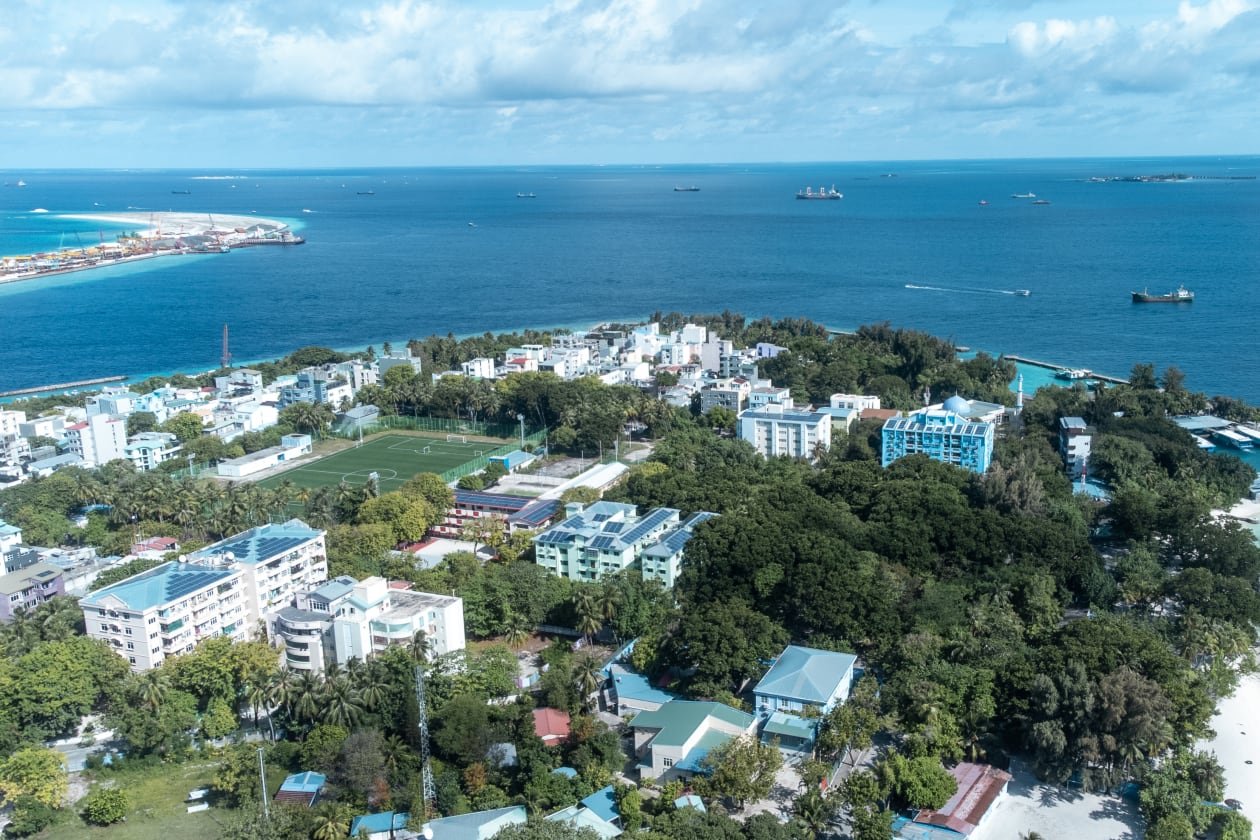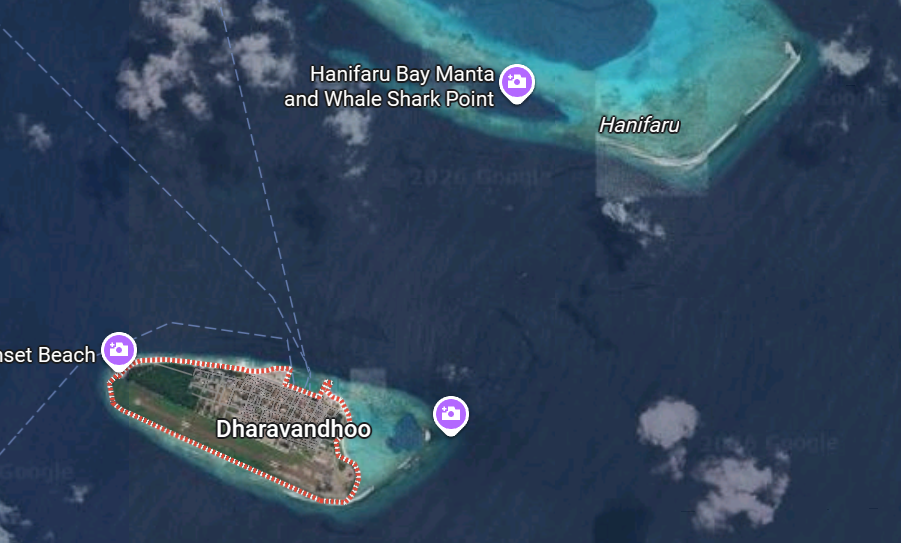
Maldives comprises 1,192 small islands sprouting from reefs sitting atop submerged prehistoric volcanoes. Every year, the planet warms and sea levels rise, putting the country at risk of being swallowed by the ocean.
Maldives is trying to manage this climate emergency, allocating resources to defeat rising sea levels. Almost five percent of the country’s overall budget is spent on environmental protection. Maldives is one of the leading international voices for urgent action on climate change and works with other Small Islands Developing States (SIDS) to drive a global response to climate change. Its communities and conservationists are committed to protecting the delicate coral beds they stand on and their unique tropical ecosystems.
We met one such dedicated community on Hithaadhoo, located at the southern tip of Baa Atoll, in February. The island has struggled with its fair share of ecological issues.
The relentless assault of the elements had carved away swathes of shoreline on its southern and western edges, leaving behind scars of erosion that spoke of a constant battle against climate change. In addition, beneath its surface, hidden from the casual observer, Baa Hithaadhoo’s precious freshwater reservoir was contracting. Many had already been compelled to seek refuge in larger islands and cities. For those who remained, life persisted in the shadow of uncertainty. They eked out their livelihoods within the civil, commercial, tourism and fisheries sectors.
Resilience in the face of adversity is an inherent human trait. During our time on the island, it was clear that these were a people who want to be defined by their innovation and creativity and will play the hand they had been dealt - and play it to win.
The community of Baa Hithaadhoo stands at the precipice of both the climate emergency as well as a shrinking socio-economic space. Yet, taking inspiration from their surroundings, they were uncovering solutions to these challenges.
Icons Association, a non-government organisation from Baa Hithaadoo, pursued a nature-based solution through their recently completed ‘Nature Line’ project. Icons Association was a winner in the 2022 Miyaheli Social Innovation Challenge organized by UNDP Maldives, Australia’s Department of Foreign Affairs and Trade and Ooredoo Maldives. The project consolidated international research and theory in utilising island mangrove ecosystems for shoreline protection.
Their innovation, inspired by a team of researchers working in Australia, was a network of hollow tetrapods within which mangrove seedlings could be planted. These tetra pods were placed in shallow waters near the shoreline, allowing the mangrove seedlings to take root and establish in the shallows, with the tetra pods acting as both a stabilizer and protector against natural changes such as strong winds and tides.
It was impressive to see how Icons Association brought the Baa Hithaadhoo community together for the project: engaging with the island council, businesses, schools, and broader community during the development of the project, the construction of the tetra pods, and placing them in the shallows. The design and construction expertise was sourced from within the island community itself.
Icons Association’s project highlighted three central themes in Australia’s new International Development Policy: climate change, locally-led development and civil society empowerment. Australia seeks to support Maldives in interventions that are deeply rooted in sustainability and has the local community front and centre. Icons Association’s project demonstrated the impact of investing in ideas formulated by grassroots organisations to address issues identified in their communities with their own leadership.
In all this, UNDP turns the cogs in the machine: linking local communities with international partners, and catalysing the potential of communities to make their solutions a reality. UNDP is not just an intermediary – it taps into a global network of grassroot innovations, based on thousands of practical applications from around the world.
The partnership between UNDP and Australia exemplifies the power of collective action in driving positive change. Through our collaborative efforts, we deliver to local communities the requisite knowledge, resources, and tools necessary to address threats effectively.
Together, as development partners, we celebrate the progress made in grassroots environmental conservation and other local community-led solutions. Our mission transcends safeguarding natural resources; it embodies the essence of Maldivian life, forging a resilient response to imminent challenges.
Indeed, we must do all we can to ensure Maldives remains.
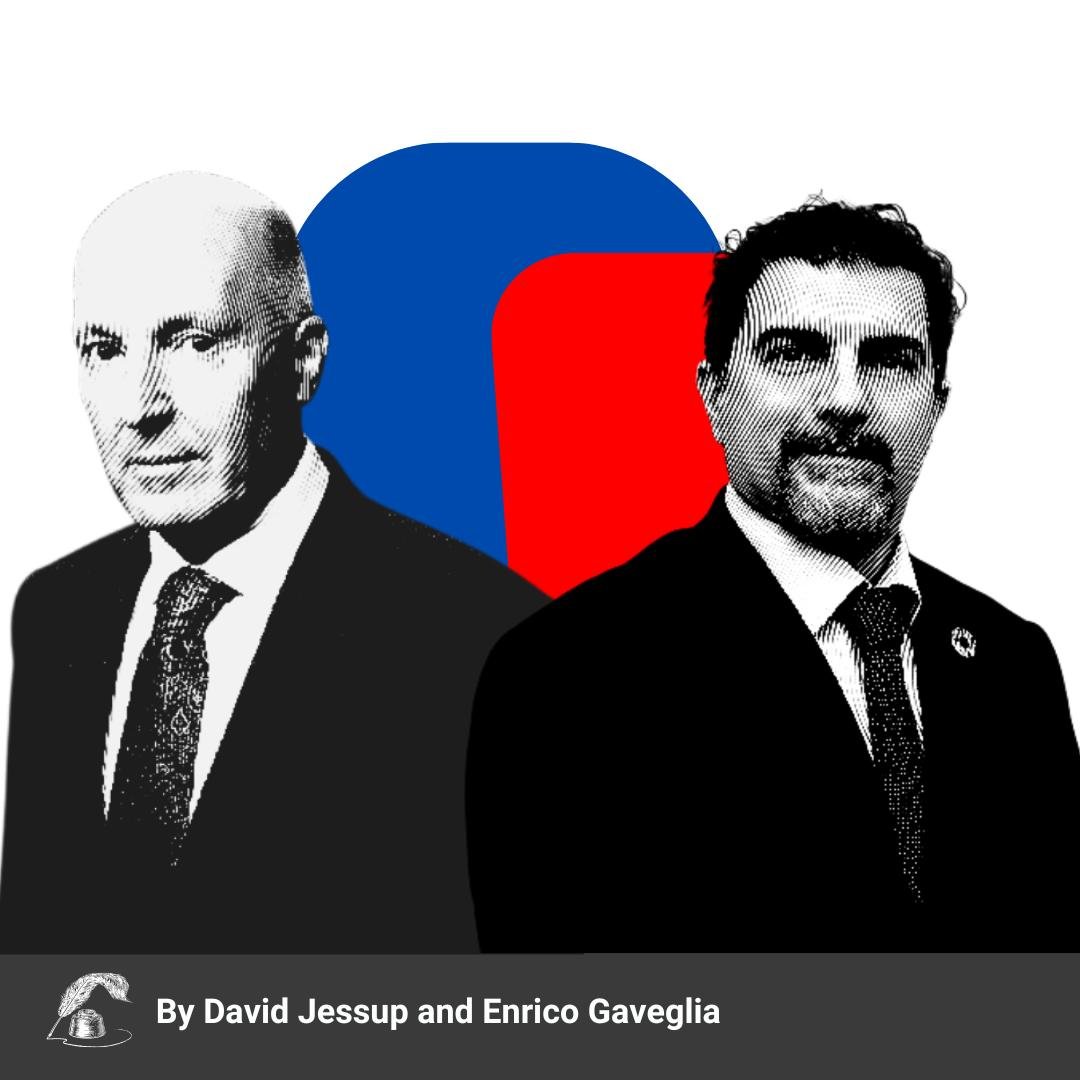
By Enrico Gaveglia, UNDP Resident Representative in the Maldives and David Jessup, High Commissioner of Australia to the Maldives