Lower Taxes, Less Smoking? Inside the Government's Five-Year Plan

Aug 2, 2026, 11:59 AM
By firmly maintaining a ban on vaping products, the government has eliminated one of the most widely used tech alternatives adopted globally to help people step away from smoking

By firmly maintaining a ban on vaping products, the government has eliminated one of the most widely used tech alternatives adopted globally to help people step away from smoking

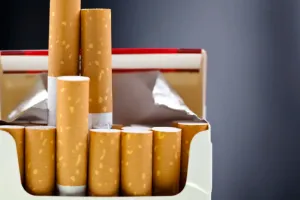
On World No Tobacco Day 2026, the government launched a five-year campaign aimed at creating a tobacco-free society. The approach combines school education, community engagement, and new healthcare infrastructure. Currently, 494 healthcare professionals trained in cessation support are positioned across all atolls, backed by a National Quitline. These new efforts follow the second amendment to the national tobacco framework, which introduces a generational ban preventing anyone born after 2007 from purchasing tobacco. To reduce access barriers to clinical treatments, this amendment also removes import duties on smoking cessation products like nicotine replacement therapies.

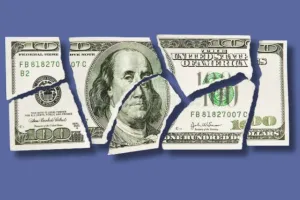
President Muizzu framed these measures as a vital part of a "comprehensive health policy aimed at transforming our community into a healthier one". Yet, simultaneously, cigarette import duties were reduced by approximately 50 percent, making regular cigarettes significantly more affordable and accessible to the public. This glaring pricing contradiction raises a much deeper question: How effective is our current quitting framework in reality?

The government has positioned clinical support—specifically a Quitline and trained medical professionals—as the primary safety net for citizens. But from a practical perspective, is a rigid, "quit-or-fail" model truly realistic for the average heavily addicted smoker? Evidence consistently shows that most smokers do not successfully quit on their first attempt. When a smoker inevitably relapses, what does this framework actually offer them as a fallback? Furthermore, while pharmacy treatments are now duty-free, does the average Maldivian consumer even know they exist or how to use them? A well-meaning policy on paper does not always translate to practical awareness on the street.

More critically, by firmly maintaining a ban on vaping products, the government has eliminated one of the most widely used tech alternatives adopted globally to help people step away from smoking. By criminalizing smoke-free tech while simultaneously slashing taxes on traditional cigarettes, the framework severely narrows a smoker's choices to a strict binary. They are forced to either successfully navigate the medical system, or they can simply buy the now-cheaper cigarettes.

If the ultimate goal of this campaign is to genuinely reduce tobacco consumption and non-communicable diseases, shouldn't the Maldives consider embracing a broader spectrum of regulated, less harmful options? As the government rolls out this second amendment, we have to ask: does this fix actually leave the everyday smoker in a better place than where we started? 

Comments

Read More

Latest News

Rasmale' deal: Maldives gets "peanuts" in return for 500 hectares

The Maldives government has sparked controversy by granting 500 hectares of the newly reclaimed Rasmale' project to a Dubai-based firm for 99 years. Critics warn the secretive deal lacks transparency and fair compensation, potentially surrendering the nation's most valuable real estate for minimal public gain.

Fact check: No land for additional housing beyond the 15000 plots

President Muizzu claims that granting half of Rasmalé to a developer won't impact housing pledges. However, fact-checkers state this is false, as the remaining 510 hectares are insufficient to fulfill the promised 65,000 units. The project requires over 1,000 hectares to meet the government's original housing targets.

Fed rate hike will exacerbate dollar crisis in Maldives

The Federal Reserve's 0.25% interest rate hike is expected to worsen the dollar shortage in the Maldives by driving capital back to the U.S. This shift increases global borrowing costs and debt servicing expenses for the import-dependent nation, placing significant strain on its budget and requiring more effective fiscal management.

Muizzu's family member becomes resort shareholder

Hassaan Waheed, a diplomat and relative of Maldives President Mohamed Muizzu, has sparked controversy after becoming a shareholder in a luxury resort despite having no business background. Allegations suggest he used his political influence and family ties to secure the shares, raising serious concerns about government corruption.

Has the Revised Duty Helped Create a More Balanced Market?

A 2026 cut in cigarette import duties has successfully reduced the prevalence of illicit tobacco in the Maldives. Retailers report a significant shift as consumers move toward legal brands, narrowing the gap between regulated and smuggled products. This policy supports the government's broader goal of strengthening the legal economy.

The FDA Just Said It’s Less Risky. Are We Ignoring the Science?

The FDA authorized ZYN nicotine pouches to claim they pose lower health risks than cigarettes, based on evidence that non-combustible products contain fewer harmful chemicals. While the agency stresses that no nicotine product is safe, the decision highlights a shift toward using risk-based science to inform global tobacco policy.

Fact Check: Are All Cigarette Alternatives Actually Riskier?

After raising cigarette duties led smokers toward dangerous illicit markets and unregulated products, the government has reversed the tax hike. The decision highlights global debates on whether various cigarette alternatives carry different health risks compared to traditional smoking, emphasizing the need for clear risk classification.

Newsletter

Get the latest news delivered straight to your inbox