Why "more enforcement" will never fix the Maldives' tobacco problem

Jan 13, 2026, 5:50 AM
Why "more enforcement" will never fix the Maldives' tobacco problem

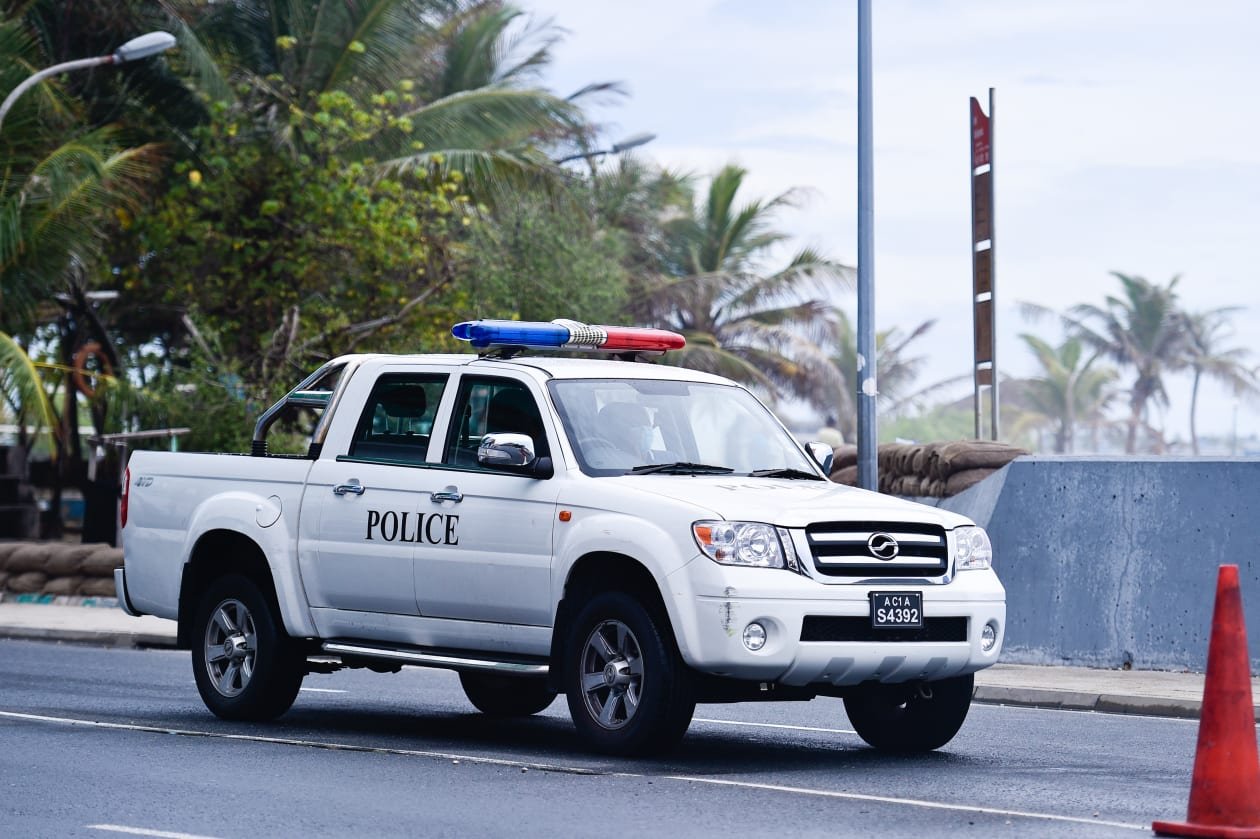
As the dust settles on a year defined by tobacco smuggling scandals; from the MVR 122 million heist to corruption within our own ports, the government’s response has been predictable. They promise "zero tolerance." They promise "stricter enforcement." They promise that next year, they will finally close the net.

But as we look toward 2026, we must face a hard geographical truth: The Maldives cannot police its way out of this problem.

The Maldives consists of 1,192 islands scattered across 90,000 square kilometers of ocean. We have vast, porous borders that have historically been a nightmare for customs and coast guard operations.

To believe that we can stop the smuggling of small, high-value items like vape cartridges or cigarette packs through "better enforcement" is a fantasy. It would require a navy the size of a superpower and a customs force in every channel. We have neither.

If you need proof that geography defeats enforcement, look at Singapore. It is one of the wealthiest nations on earth, with a tiny land border and one of the most sophisticated, well-funded police forces in existence. They have strict bans and draconian penalties.

Yet, Singaporean authorities admit they are fighting a losing battle against tobacco smuggling. If a surveillance state like Singapore cannot seal its borders, why does the Maldives with a fraction of the resources and infinitely more complex geography believe it can?

The black market exists not because the police are lazy, but because both policy and enforcement is broken. When you ban smoke-free alternatives and tax cigarettes at rates the average citizen cannot afford, you create a profit margin so massive that smugglers will always find a way in. Tobacco has now become one of the most lucrative commodities for smugglers, gangs and organized crime in Maldives.

We cannot win this war on the sea, so we must win it in the market. The only way to dismantle a black market is to render it obsolete.

The government could pivot from a "police strategy" to a "pricing and regulation strategy."

Regulate Smoke-Free Alternatives: Establish clear, balanced regulation for smoke-free alternatives, including vapes, nicotine pouches and heated tobacco products, with safety standards, age restrictions and pricing structures that clearly differentiate them from combustible cigarettes.

Kill the Incentive: When legal, safety-checked products are available and affordable, the profit margins that sustain illicit trade collapse. Demand shifts away from “Telegram dealers” and other informal sellers as there is no longer a reason to seek them out.

The smugglers are banking on the government sticking to its ban. They know that as long as the market is illegal, they own it. It’s time to take that business away from them, not with speedboats, but with smart policy.


Comments

Read More

Latest News

Fed rate hike will exacerbate dollar crisis in Maldives

The Federal Reserve's 0.25% interest rate hike is expected to worsen the dollar shortage in the Maldives by driving capital back to the U.S. This shift increases global borrowing costs and debt servicing expenses for the import-dependent nation, placing significant strain on its budget and requiring more effective fiscal management.

Muizzu's family member becomes resort shareholder

Hassaan Waheed, a diplomat and relative of Maldives President Mohamed Muizzu, has sparked controversy after becoming a shareholder in a luxury resort despite having no business background. Allegations suggest he used his political influence and family ties to secure the shares, raising serious concerns about government corruption.

Has the Revised Duty Helped Create a More Balanced Market?

A 2026 cut in cigarette import duties has successfully reduced the prevalence of illicit tobacco in the Maldives. Retailers report a significant shift as consumers move toward legal brands, narrowing the gap between regulated and smuggled products. This policy supports the government's broader goal of strengthening the legal economy.

The FDA Just Said It’s Less Risky. Are We Ignoring the Science?

The FDA authorized ZYN nicotine pouches to claim they pose lower health risks than cigarettes, based on evidence that non-combustible products contain fewer harmful chemicals. While the agency stresses that no nicotine product is safe, the decision highlights a shift toward using risk-based science to inform global tobacco policy.

Lower Taxes, Less Smoking? Inside the Government's Five-Year Plan

The government has launched a five-year plan to create a tobacco-free society through education, healthcare support, and a generational ban. However, critics highlight a major contradiction: while cessation aids are now duty-free, cigarette taxes were halved. This raises concerns about the policy's effectiveness and the lack of alternatives.

Fact Check: Are All Cigarette Alternatives Actually Riskier?

After raising cigarette duties led smokers toward dangerous illicit markets and unregulated products, the government has reversed the tax hike. The decision highlights global debates on whether various cigarette alternatives carry different health risks compared to traditional smoking, emphasizing the need for clear risk classification.

Is This BML's Problem or the State's?

The Bank of Maldives has faced scrutiny after imposing strict foreign currency limits and then launching a high-interest dollar investment scheme. These moves suggest a severe liquidity crisis within the state-owned bank. The lack of transparency from the bank and central authority raises concerns about the nation's financial stability.

Newsletter

Get the latest news delivered straight to your inbox