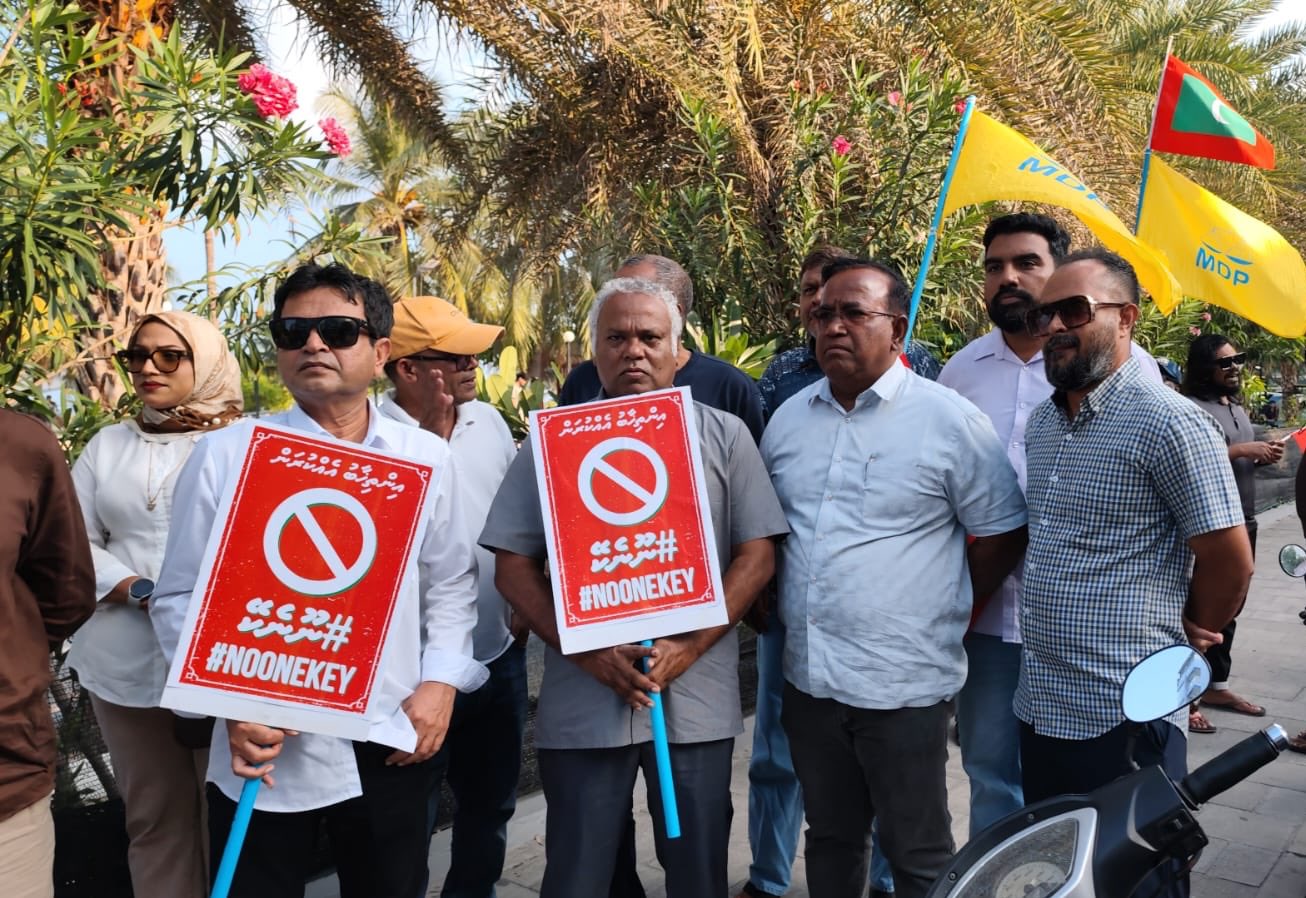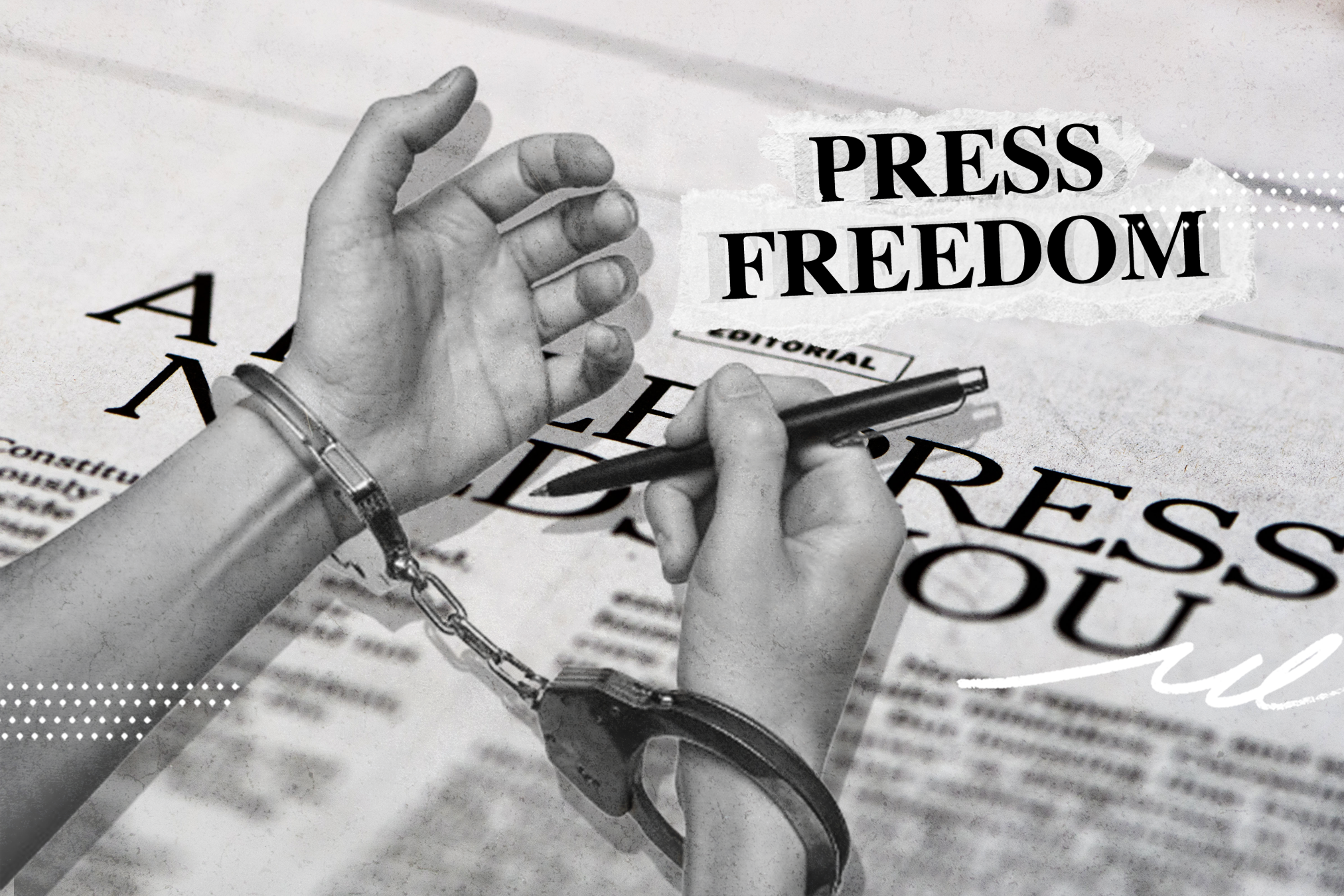
This should be obvious. Press freedom should be untouchable, unquestionable, taken for granted. It is a constitutional right, it is a fundamental right. Instead, we find our press freedom under assault again, and so we must take up this fight once more.
Parliament’s recent debate on a bill that would fundamentally restructure media regulation represents more than just another legislative process. It is grubby and it is unmistakably a strategy that follows every autocrat's playbook. It is part of a pattern: Parliament rubber-stamping government decisions rather than providing oversight, local councils’ mandate under attack, judicial independence systematically undermined, and Maldivians have very little hope of any meaningful independence from independent commissions such as the Anti-Corruption Commission.
Consecutive governments here have attempted to undermine local news freedom through both direct and indirect means: direct attacks such as the Defamation Act, or more subtle approaches such as patronage so overpowering that it starves independent outlets while flooding the media landscape with government propaganda. Now, President Muizzu, who campaigned on protecting press freedom through grants, has instead chosen the path of institutional capture.
Why Press Freedom Matters: Beyond Media Rights
These constant attacks mean rather than taking this constitutional right for granted, Maldivians are forced to continuously assess and ask: why does press freedom matter? And what makes press freedom so essential to everything else?
The answer extends far beyond the media industry itself.
Press freedom is intrinsically valuable because the right to communicate and receive information is a fundamental right: one that serves as a linchpin for all other rights.
Good media brings information to the public, and with it the power to demand action, and the accountability and transparency essential for progress. When independent media disappears, when journalism withers, everything else deteriorates: we cannot tackle housing crises, fight corruption, address infrastructure failures in our islands, scrutinise our debt crisis, assess the status of women in Maldives’ society, or understand the extent of the country’s drug crisis. Studies consistently demonstrate that countries without press freedom experience lower economic growth.
Independent media operates as democracy’s early warning system. It alerts citizens to problems whilst there’s still time to act, catching failures in governance before they become systemic and entrenched. Quite simply, media that is independent of government fiddling, corporate control, political interference, and financial coercion serves as a public good that society simply cannot do without.
The bill proposes establishing a new media regulatory commission. While Government MPs highlight that media outlets will elect four of seven commission members, they are obfuscating a crucial detail: Parliament can remove any elected members through a no-confidence vote. With the ruling PNC holding a supermajority, this effectively places all regulatory power in government hands.
The commission’s proposed powers are sweeping and dangerous. It can fine individual journalists for failing to make corrections “quickly enough,” a subjectively defined standard ripe for abuse. Media outlets face fines for “ethics violations” determined by government appointees. Most alarmingly, the commission can block websites and halt broadcasts during investigations, effectively operating under a “guilty until proven innocent” framework.
The bill’s retroactive provisions, allowing investigation of complaints from twelve months before the law takes effect, may violate constitutional prohibitions on retrospective legislation. Terms like “fake news” and inciting “fear or hatred” remain vaguely defined, creating weapons that can be deployed against any coverage deemed inconvenient by those in power.
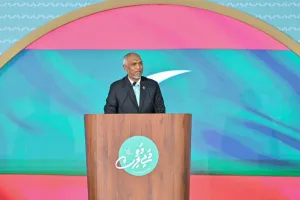
The choice before President Muizzu is straightforward: it is not truly a choice. He can honour his own campaign pledges to protect press freedom, rejecting this regressive legislation and instead working with media organisations to strengthen self-regulation through proper funding and support. True media reform would involve strengthening self-regulation, not replacing it with government control.
As this bill awaits the presidential seal, the onus is squarely on President Muizzu and his government to demonstrate commitment to democratic principles. The administration must decide whether to keep faith with voters or join the ranks of autocrats that chose control over transparency, whether to govern with legitimacy or with insecurity.
That we must even articulate this again and again speaks volumes and is in itself troubling, but let's say it again: true leadership requires recognising that free speech, even when uncomfortable or critical, is not a threat to good governance. It is its foundation. President Muizzu must not ratify this bill.
titledesc