The year is ending, but little has been done to cut costs

Dec 24, 2024, 2:44 PM
The year is ending, but little has been done to cut costs

The leaders of this government have repeatedly emphasised the need to cut government spending to be able to sufficiently address the country’s financial situation. If one were to compile all their statements on the matter, it would require volumes of books.

Earlier this year, the government announced "many initiatives" to cut costs. Their claims revolved around halting certain projects and reforming wasteful expenditures. However, through the year, these statements eventually subsided.

Instead, rhetoric shifted to the budget "prepared by the previous government". While the current administration claimed to have planned measures to reduce costs, they attributed their inability to implement these measures to constraints imposed by the prior administration’s budget.

However, it was this government that assured the public it had already taken several cost-cutting measures and would continue to do so. In response to an RTI filed by Adhadhu, the government claimed savings of over MVR 2 billion through various initiatives by ministries and agencies.

However, when the government’s financial reports were finally published, it became evident that these cost reductions had not materialised. Next year’s budget further contradicts statements suggesting reductions in this year’s spending.

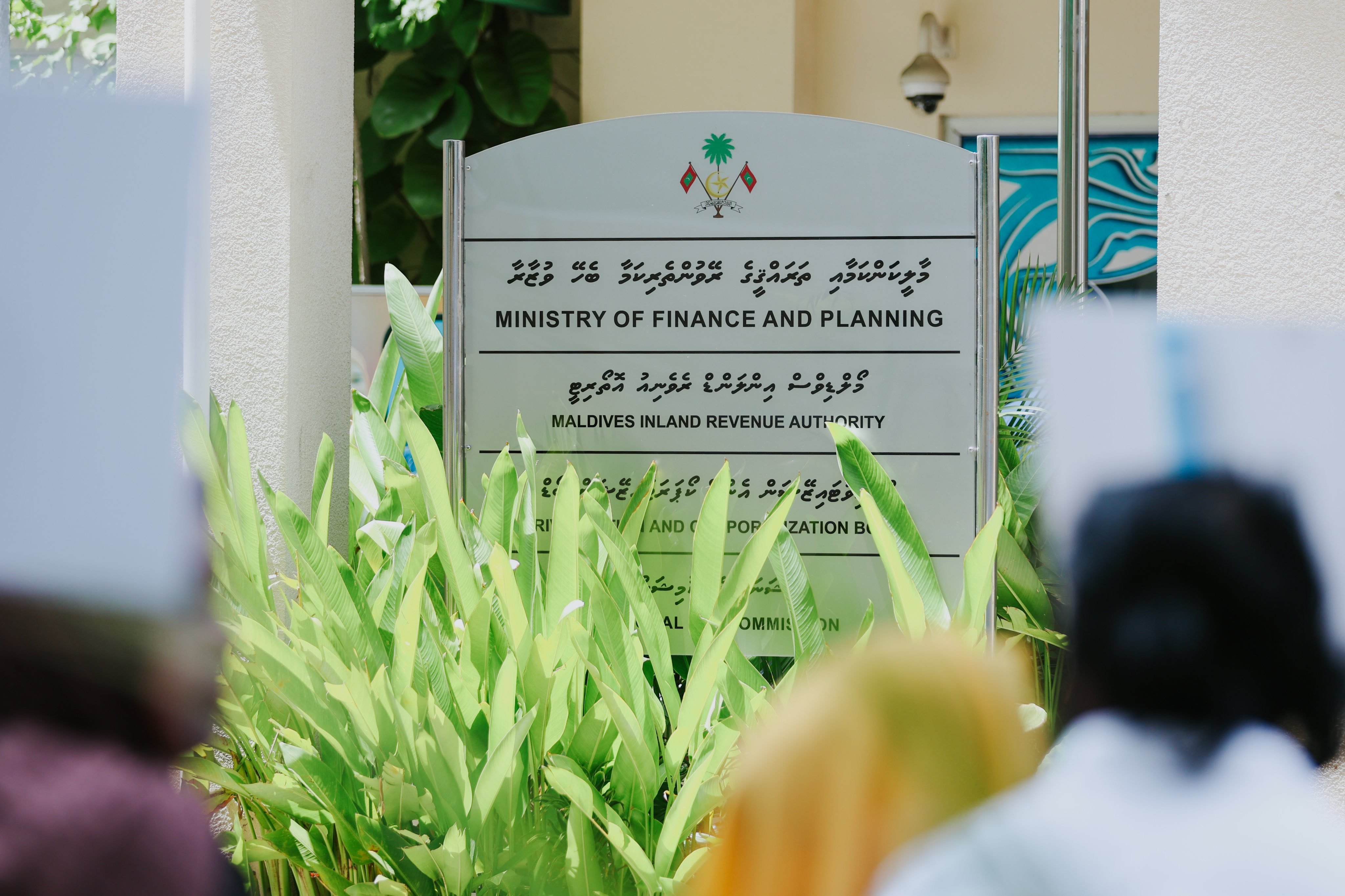
Consider the Ministry of Construction and Infrastructure as an example. According to the Finance Ministry, this ministry was supposed to have made the largest budget cut of MVR 914 million. Yet, the latest Weekly Fiscal Development Report, shows that the ministry has already spent MVR 5.7 billion out of its approved MVR 6.7 billion budget as of December 12th.

If the Finance Ministry’s claims are accurate, the ministry would need to cease all operations, including paying salaries and benefits, for the remainder of the year to achieve these savings. In essence, the ministry would have to halt all work completely.

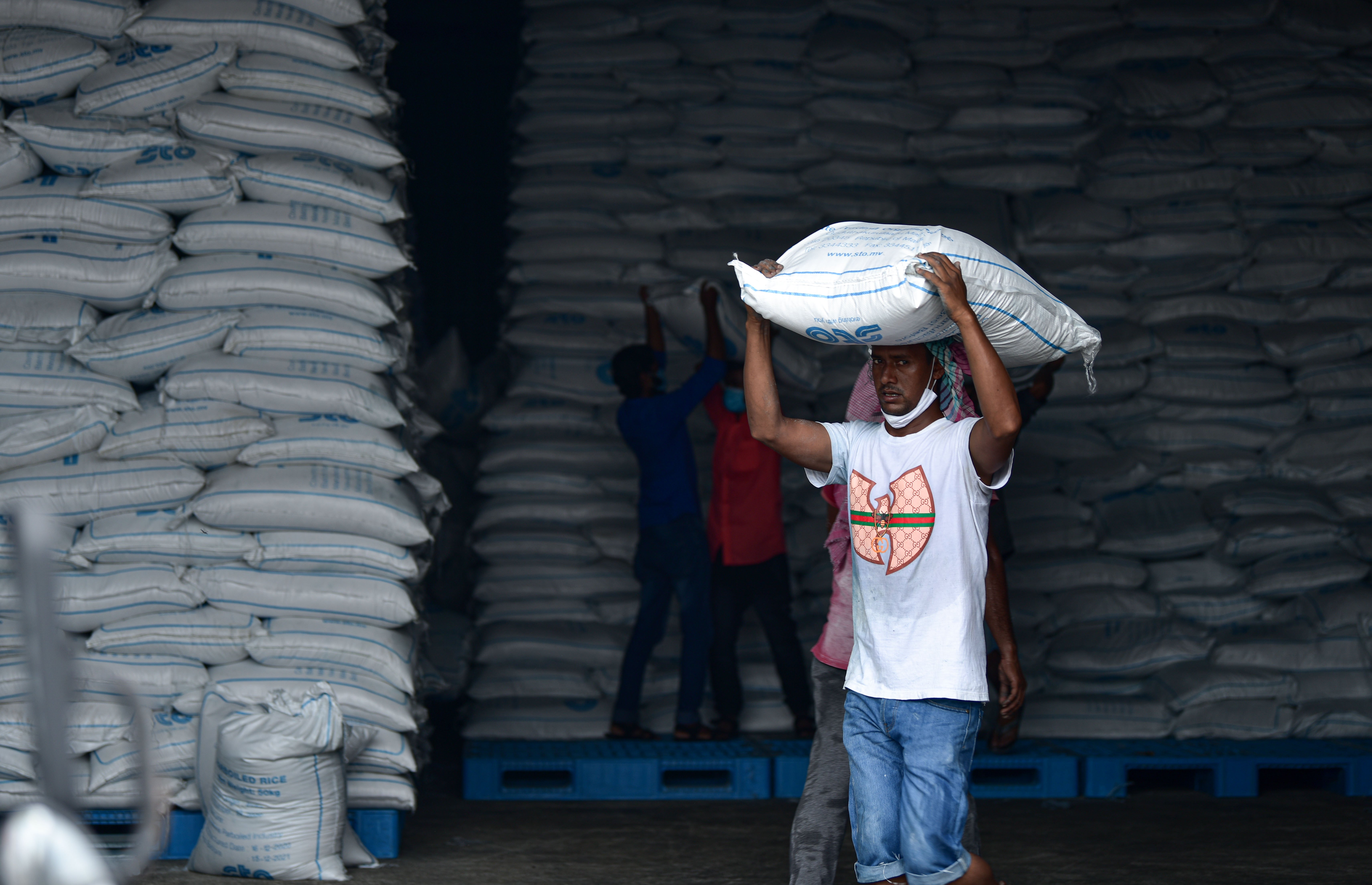
This ministry is noteworthy for another reason: it oversees infrastructure projects nationwide. Despite its significant responsibilities, the dominant narrative from the islands is one of halted projects, project equipment being removed from the islands, and incomplete work.

Even though a few projects are progressing, the expenditure in this sector has not decreased. Financial data indicates rapid project disbursements, yet ordinary citizens, except for government supporters, see no tangible results.

The government’s recurring excuse is that they inherited a budget from the previous administration, which restricted their ability to implement changes. However, this excuse will not hold next year. The 2024 budget has been designed entirely by the current government and approved by a parliament under its control.

Plans to cut costs are again part of next year’s agenda. Unlike this year, these plans cannot be attributed to a prior administration. Let us hope that by the end of next year, we will not find ourselves revisiting the same unfulfilled promises.
Comments

Read More

Latest News

Fed rate hike will exacerbate dollar crisis in Maldives

The Federal Reserve's 0.25% interest rate hike is expected to worsen the dollar shortage in the Maldives by driving capital back to the U.S. This shift increases global borrowing costs and debt servicing expenses for the import-dependent nation, placing significant strain on its budget and requiring more effective fiscal management.

Muizzu's family member becomes resort shareholder

Hassaan Waheed, a diplomat and relative of Maldives President Mohamed Muizzu, has sparked controversy after becoming a shareholder in a luxury resort despite having no business background. Allegations suggest he used his political influence and family ties to secure the shares, raising serious concerns about government corruption.

Has the Revised Duty Helped Create a More Balanced Market?

A 2026 cut in cigarette import duties has successfully reduced the prevalence of illicit tobacco in the Maldives. Retailers report a significant shift as consumers move toward legal brands, narrowing the gap between regulated and smuggled products. This policy supports the government's broader goal of strengthening the legal economy.

The FDA Just Said It’s Less Risky. Are We Ignoring the Science?

The FDA authorized ZYN nicotine pouches to claim they pose lower health risks than cigarettes, based on evidence that non-combustible products contain fewer harmful chemicals. While the agency stresses that no nicotine product is safe, the decision highlights a shift toward using risk-based science to inform global tobacco policy.

Lower Taxes, Less Smoking? Inside the Government's Five-Year Plan

The government has launched a five-year plan to create a tobacco-free society through education, healthcare support, and a generational ban. However, critics highlight a major contradiction: while cessation aids are now duty-free, cigarette taxes were halved. This raises concerns about the policy's effectiveness and the lack of alternatives.

Fact Check: Are All Cigarette Alternatives Actually Riskier?

After raising cigarette duties led smokers toward dangerous illicit markets and unregulated products, the government has reversed the tax hike. The decision highlights global debates on whether various cigarette alternatives carry different health risks compared to traditional smoking, emphasizing the need for clear risk classification.

Is This BML's Problem or the State's?

The Bank of Maldives has faced scrutiny after imposing strict foreign currency limits and then launching a high-interest dollar investment scheme. These moves suggest a severe liquidity crisis within the state-owned bank. The lack of transparency from the bank and central authority raises concerns about the nation's financial stability.

Newsletter

Get the latest news delivered straight to your inbox