Kidney disease is very common in Maldives. Many people who suffer from kidney disease have to undergo dialysis every day to survive. However, there is low public awareness about kidney disease in the Maldives.
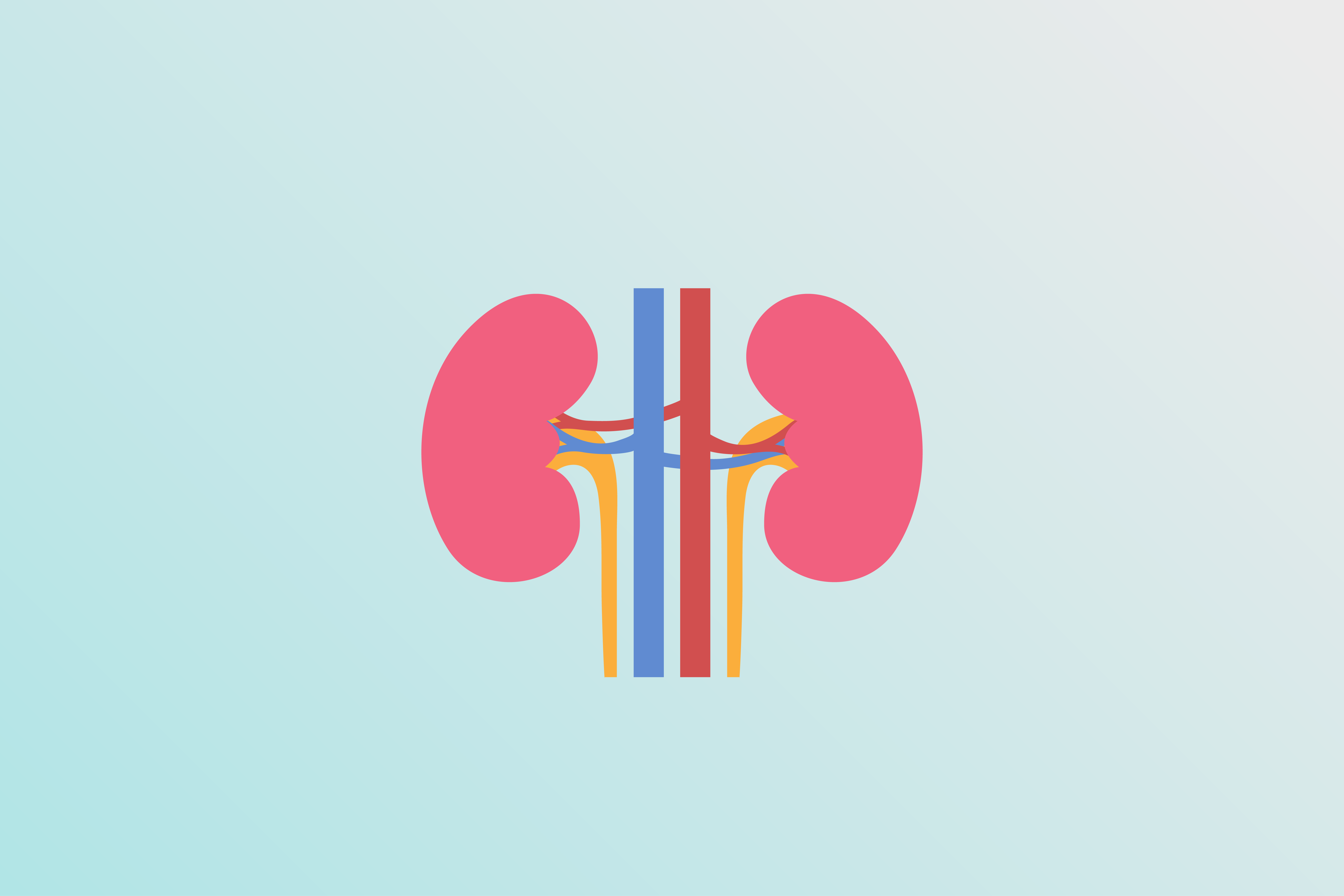
The kidneys are two bean-shaped organs, each about the size of a fist. They are located just below the rib cage, one on each side of your spine. They are one of the most important internal organs of the human body. They are made up of about a million filtering units called nephrons.
Kidneys are a special filter system for the body. Kidneys remove waste products from the blood and produce urine. Kidneys control the levels of many substances in the blood and help control blood pressure and keep bones healthy by using nutrients such as vitamin D.
One of the reasons why kidney disease is so common is that it is not diagnosed before it progresses. Consultant Nephrologist at ADK Hospital, Dr. Jagdish Lamsal said symptoms appear after 50 percent of the nephrons are damaged. That is why kidney disease is known as a silent killer, he added.
Types of kidney disease and symptoms
There are two main types of kidney disease. They are short-term kidney disease or acute kidney injury (AKI) and long-term kidney disease or chronic kidney disease (CKD).
Symptoms of kidney disease include swelling around the legs and eyes (usually in the morning) due to protein leakage, mucus in the urine, blood in the urine and sometimes urinary retention.
People who face severe symptoms may experience loss of appetite, frequent vomiting, weakened immunity, difficulty breathing and fluid builds up in the space between the lung and the chest wall.
Dr. Jagdish advised to seek immediate medical attention if there is swelling near the eyes.
Acute kidney injury (AKI) and chronic kidney disease (CKD)
Unlike CKD, kidney damage in AKI will improve over time. Causes of AKI include decreased blood flow to the kidneys due to excretion of blood or fluids from the body, frequent vomiting, frequent diarrhea, taking painkillers and taking antibiotics.
There are five stages in CKD. According to Dr. Jagdish, the patient may not notice any symptoms during the first three stages. It is a slowly progressive and incurable type of kidney disease.
He advised to have a health checkup once a year to detect the disease before it progresses. Tests to determine the levels of urea and creatinine in the blood can assess the level of kidney function, Dr. Jagdish said.
"Once the levels of urea and creatinine are determined, the GFR [glomerular filtration rate] can be calculated to determine how much the kidneys are filtering. Dialysis has to be done when GFR which is usually at 125 goes down to 15," he said.
Diabetes is the most common cause of chronic kidney disease. In addition, hypertension, protein leakage diseases and stones can also lead to kidney disease.
CKD is indicated by elevated creatinine levels for more than three months. A routine blood test can determine the level of creatinine.
A healthy person has a creatinine level of less than 1.2. Dr. Jagdish said further tests are conducted if a routine test shows high creatinine and creatinine levels will be monitored.
If the blood creatinine is found to be high, the blood urea level and protein in the urine will be checked for leakage. In addition to these, an ultrasound scan to check the shape and size of the kidneys also helps to diagnose kidney disease.
Dr. Jagdish noted that most people with kidney disease are diagnosed with high levels of creatinine during treatment for another disease.
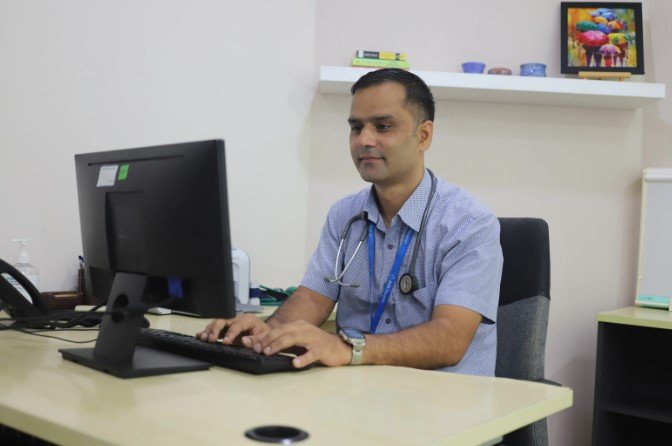
Consultant Nephrologist at ADK Hospital, Dr. Jagdish Lamsal. -- Photo: ADK
How to prevent kidney disease?
Dr. Jagdish gave six "Golden Tips".
- Quit smoking
- Exercise for 30 minutes a day
- Eat healthy food
- Avoid eating processed foods
- Drink plenty of water
- Maintain blood pressure at the right level
While diabetes is the most common cause of kidney failure, a survey done in 2021 showed that 14 percent of the Maldives population has diabetes. Therefore, people with diabetes need to take preventive measures against kidney disease.
Dr. Jagdish advised people with diabetes to maintain their blood sugar, blood pressure, cholesterol and uric acid levels. He further said it is important to get regular screening for kidney disease.
The easiest way to prevent kidney disease is to do a health check-up every year, Dr. Jagdish added.
Maldives need more services related to kidney disease
Dr. Jagdish said that compared to other countries, there is no database to identify the number of people faced with kidney disease in Maldives. It is important to understand the scale of the disease in Maldives, he said.
While the number of people undergoing dialysis in Maldives is increasing, kidney transplantation is used as a treatment for kidney failure in major countries around the world. However, organ transplantation is not available in Maldives due to a lack of laws, regulations and procedures for the treatment.
Although the exact number of people facing kidney disease in Maldives is unclear, Dr. Jagdish said kidney diseases are increasing rapidly in Maldives. He also expressed concern as there are no specialist doctors in the atolls.
World Kidney Day is a global health awareness campaign focusing on the importance of the kidneys and reducing the frequency and impact of kidney disease. World Kidney Day is observed annually on the 2nd Thursday in March.
This year's World Kidney Day was marked on March 14. The theme for the day was “Kidney Health for All – Advancing equitable access to care and optimal medication practice”, the 2024 campaign will focus on raising awareness of the importance of ensuring equitable access to appropriate treatment and care for people living with kidney disease.
This article was first produced in Dhivehi by Adhadhu's Nima Hassan.