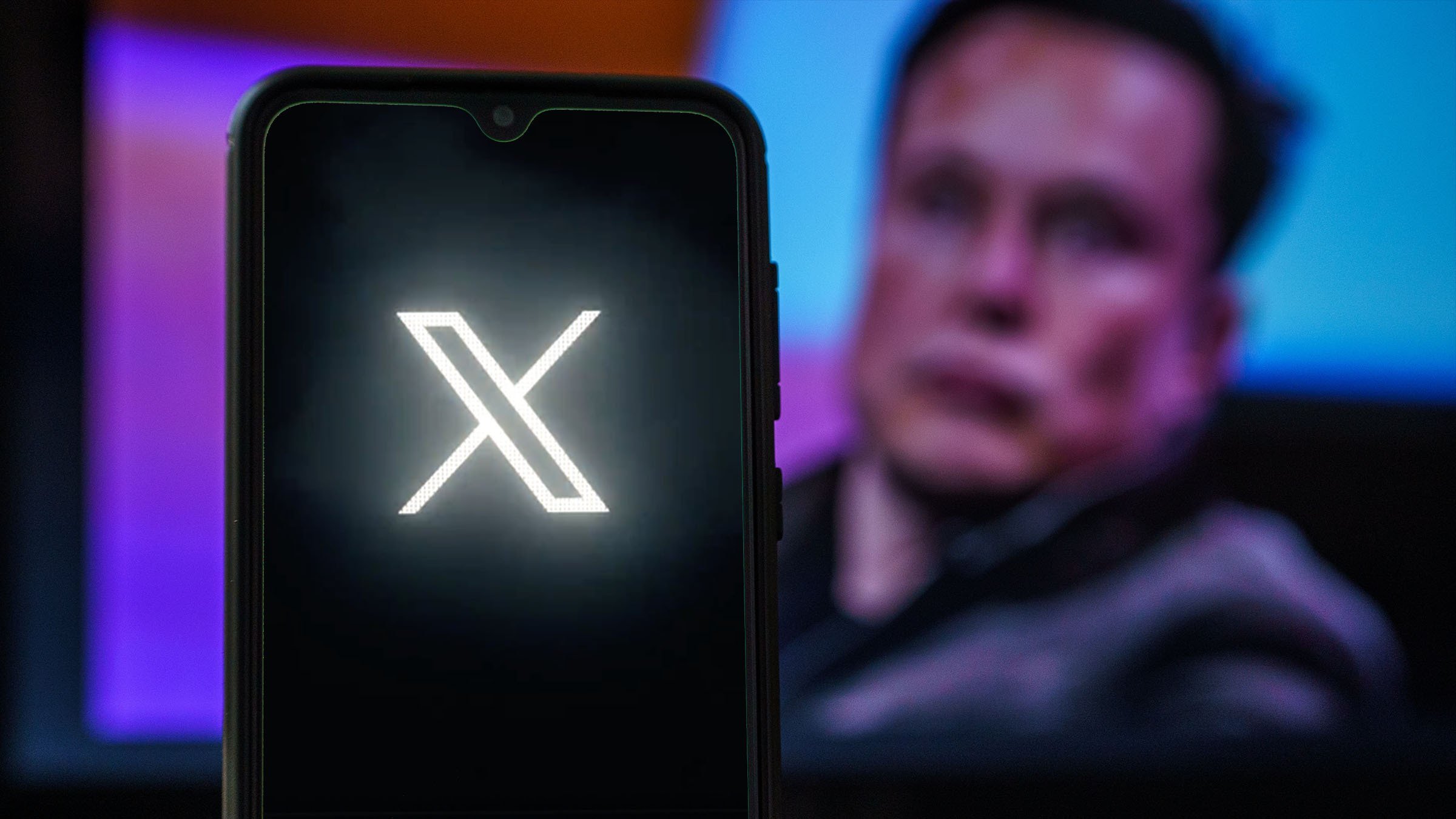
Paris, France (July 27) - Elon Musk is rebranding his Twitter platform as “X” and wants to create a super-app where users will do all their finances as well as their socialising.
His inspiration is China’s WeChat, which dominates the Chinese internet with chat, payments, games and a host of other functions in its walled garden.
Musk has hinted that this kind of “everything app” is his goal for the X platform but experts reckon he will struggle.
What is WeChat?
The app was launched by China’s big tech behemoth Tencent in 2011 to replace an earlier desktop chat program called QQ.
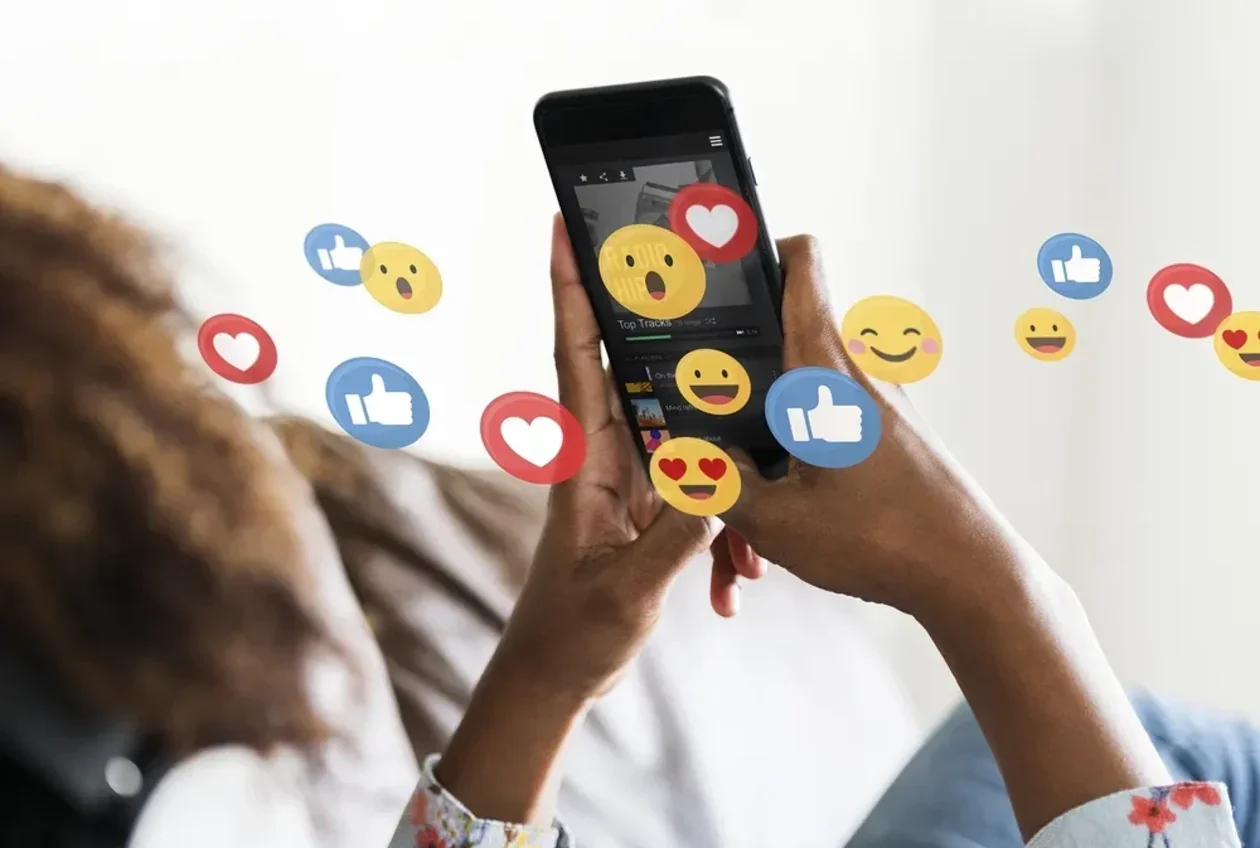
It is used by almost everyone in China and weaves together messaging, voice and video calling, social media, mobile payment, games, news, online booking and other services.
It passed the one-billion-account mark in 2018, with most of its users based in mainland China.
Is it anything like Twitter/X?
No. Twitter, or X, is much smaller and more limited in its functions. China has its own Twitter equivalent, called Sina Weibo.
“Sina Weibo is also one of the largest social networks in China, but it serves a very different function than WeChat,” said Kendra Schaefer, head of tech policy research at analysis firm Trivium China.
“It is not as critical to daily life, people don’t pay using that platform. They use it primarily just for browsing threads.”
How did WeChat get so dominant?
Back in the 2000s, before the age of the smartphone, China’s internet sector was a place of fevered experimentation with very little regulation.
Kai von Carnap from Merics, a German think-tank specialising in China, said the internet sector “had an absolute Wild West free market economy”.
“Absolutely no labour protections or data protections or competition regulations,” the analyst said.
Tencent was among those experimenting and succeeding where thousands of others failed.
Crucially Tencent was able to bolt a payments system onto QQ that it ultimately carried on building for WeChat — an innovation observers say is vital for a super-app.
Musk has talked repeatedly about adding payments functions to Twitter and even suggested it could “become half of the global financial system”.
Is Musk likely to succeed?
Tencent operated in a very different climate when it was forging its early success.
Many millions were without bank accounts in China and bank cards were rare, but the people were quick to adopt mobile phones.
“And then those phones quickly became their wallet,” Schaefer said.
There are not so many “unbanked” in the United States today and credit cards are accepted everywhere — leading Schaefer and others to wonder why anyone would need to use Musk’s app to pay for something.
Would Musk even be allowed a payments app?
Regulators in Europe and the United States appear to be getting less tolerant of tech companies with ambitions across sectors.
Regulatory concerns ultimately torpedoed a cryptocurrency project from Facebook.
It seems likely those regulators would at least be interested in Musk’s ambitions in finance.
“The time that WeChat had to develop in the absence of regulations is something that Elon Musk doesn’t have,” said von Carnap.
Why is Musk so obsessed with the super-app?
There are many theories. Some observers say he is seeking to crash the US dollar and restructure global finance. Others say he simply has no idea what he is doing.
The X.com name dates back to 1999 when Musk wanted to create a financial superstore to disrupt banking.
It failed to take off and was merged into a company that ultimately became PayPal, both Musk and his “X” branding being shown the door.
Author and Musk critic Paris Marx said the billionaire was “trying to rerun the playbook for his old finance company by grafting it onto a completely unrelated business”.
“He’s repeating the mistakes of his past by entering an industry he doesn’t understand with big ideas, being unable to listen to feedback, holding onto strategies that aren’t working, and treating his employees like trash,” Marx wrote on his Disconnect blog.
Schaefer, who is sceptical that Twitter can succeed as a financial app, is less scathing in her conclusions on Musk.
“If in fact he has identified that adding a robust payment mechanism to a social network is the key to expanding that social network into a super app, I think he is correct in that,” she said.
“It remains to be seen how successful that is, but I don’t think the fundamental idea is necessarily a bad one.”
This story was produced by AFP.