Key points about the merged waste and electricity bills

May 30, 2023, 12:51 PM
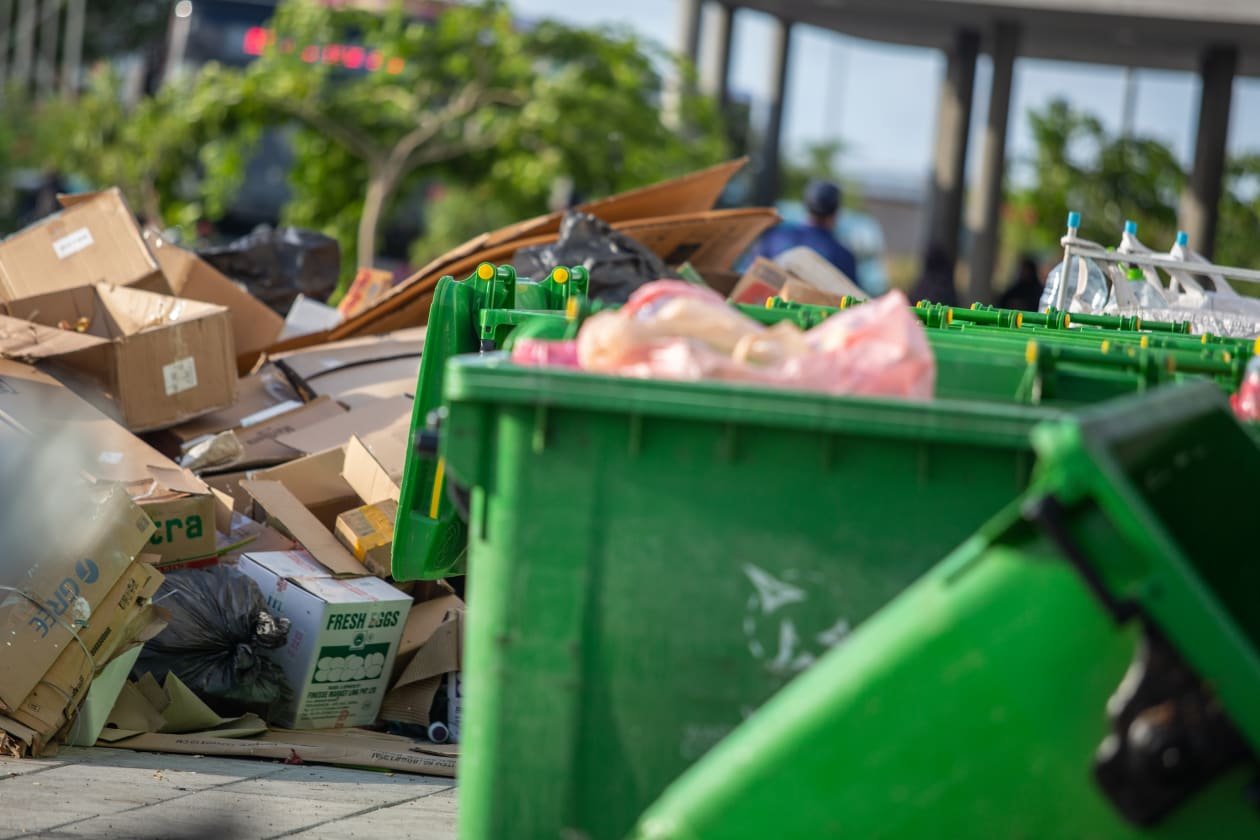
A WAMCO trash can in Hulhumale' - Photo: Abdulla Iyan/Adhadhu

A WAMCO trash can in Hulhumale' - Photo: Abdulla Iyan/Adhadhu

In Male', 1.7kg of waste per head is generated every day. In the rest of the country, it is 800g of waste per head each day. It costs MVR 2400 (USD 156) to dispose of each ton of trash.

While large sums of money are needed to carry out the work of waste collection, the proportionately small number of people who pay the monthly fee is insufficient to cover expenses, according to the Waste Management Corporation (WAMCO). Most people do not pay the bill because it is cumbersome, WAMCO said.

Changes were brought to the waste management regulations last April to merge the WAMCO bill and electricity bill. The decision was made because only 27 percent of households in the capital paid the waste collection fee despite WAMCO collecting garbage in the entire Greater Male' region.

How will this be done?

With this change, the MVR 150 owed to WAMCO will not have to be paid separately. The WAMCO fee will be included as a separate "line item" in the State Electricty Company's (STELCO) bill. The first merged bill would be the one for May, WAMCO said.

The electricty bill together with the WAMCO bill will only be sent if more than 50 units of electricity are used every month. Otherwise, the house would be considered vacant. If there are two meters in one household, one meter will be charged. WAMCO has launched a survey to identify such meters.

The benefits to the public:

  • Not having to pay the fee separately
  • Not having to register with WAMCO
  • The fee will only be charged to electricity meters installed in homes with inhabitants
  • Fewer bills to pay

Merging the bills

WAMCO was formed seven years ago by the previous government for the purpose of achieving a permanent solution to the waste management problem. As there was no necessity for households to register with the company under the billing structure formulated at the time, only about 35 percent of Male' households have registered with WAMCO to date.

But households that are not registered with WAMCO also bring out their garbage to the road. With the exception of a small segment of the population in Male', most households disposed of their waste without any payment until the present day.

Environment minister Aminath Shauna said efforts to tie the bills in a bid to solve the problem were underway last December.

WAMCO previously planned to merge the bills in April. But due to delays for various reasons in signing the agreement with STELCO, the waste and electricity fees will be merged in the bill sent in June.
Comments

Read More

Latest News

Fed rate hike will exacerbate dollar crisis in Maldives

The Federal Reserve's 0.25% interest rate hike is expected to worsen the dollar shortage in the Maldives by driving capital back to the U.S. This shift increases global borrowing costs and debt servicing expenses for the import-dependent nation, placing significant strain on its budget and requiring more effective fiscal management.

Muizzu's family member becomes resort shareholder

Hassaan Waheed, a diplomat and relative of Maldives President Mohamed Muizzu, has sparked controversy after becoming a shareholder in a luxury resort despite having no business background. Allegations suggest he used his political influence and family ties to secure the shares, raising serious concerns about government corruption.

Has the Revised Duty Helped Create a More Balanced Market?

A 2026 cut in cigarette import duties has successfully reduced the prevalence of illicit tobacco in the Maldives. Retailers report a significant shift as consumers move toward legal brands, narrowing the gap between regulated and smuggled products. This policy supports the government's broader goal of strengthening the legal economy.

The FDA Just Said It’s Less Risky. Are We Ignoring the Science?

The FDA authorized ZYN nicotine pouches to claim they pose lower health risks than cigarettes, based on evidence that non-combustible products contain fewer harmful chemicals. While the agency stresses that no nicotine product is safe, the decision highlights a shift toward using risk-based science to inform global tobacco policy.

Lower Taxes, Less Smoking? Inside the Government's Five-Year Plan

The government has launched a five-year plan to create a tobacco-free society through education, healthcare support, and a generational ban. However, critics highlight a major contradiction: while cessation aids are now duty-free, cigarette taxes were halved. This raises concerns about the policy's effectiveness and the lack of alternatives.

Fact Check: Are All Cigarette Alternatives Actually Riskier?

After raising cigarette duties led smokers toward dangerous illicit markets and unregulated products, the government has reversed the tax hike. The decision highlights global debates on whether various cigarette alternatives carry different health risks compared to traditional smoking, emphasizing the need for clear risk classification.

Is This BML's Problem or the State's?

The Bank of Maldives has faced scrutiny after imposing strict foreign currency limits and then launching a high-interest dollar investment scheme. These moves suggest a severe liquidity crisis within the state-owned bank. The lack of transparency from the bank and central authority raises concerns about the nation's financial stability.

Newsletter

Get the latest news delivered straight to your inbox