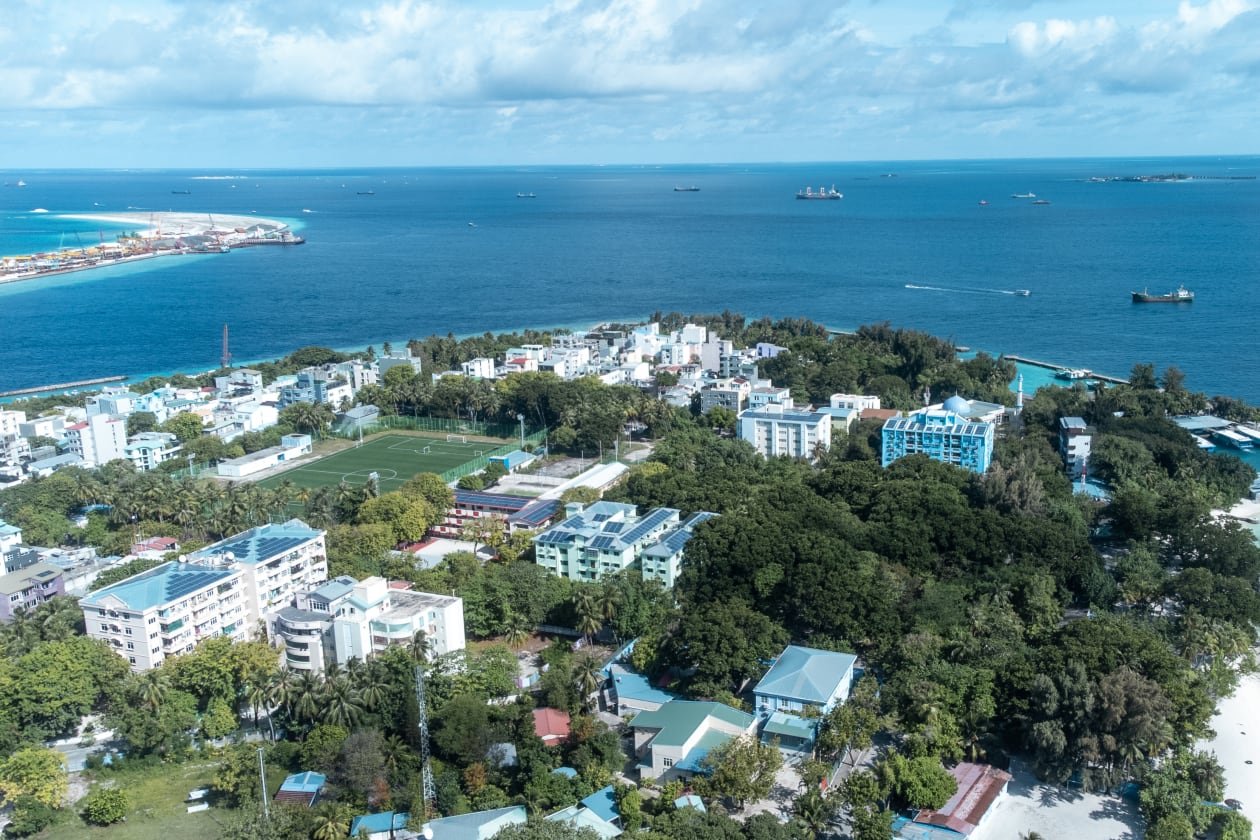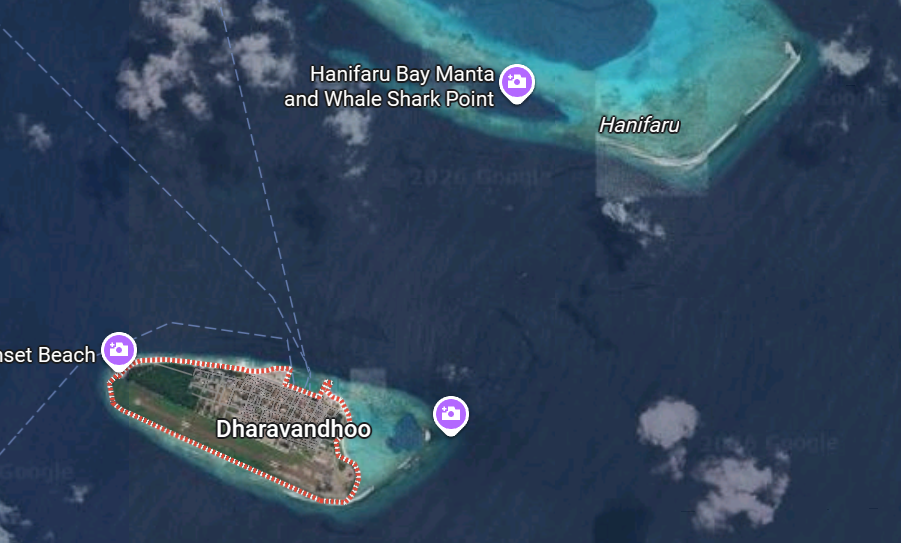
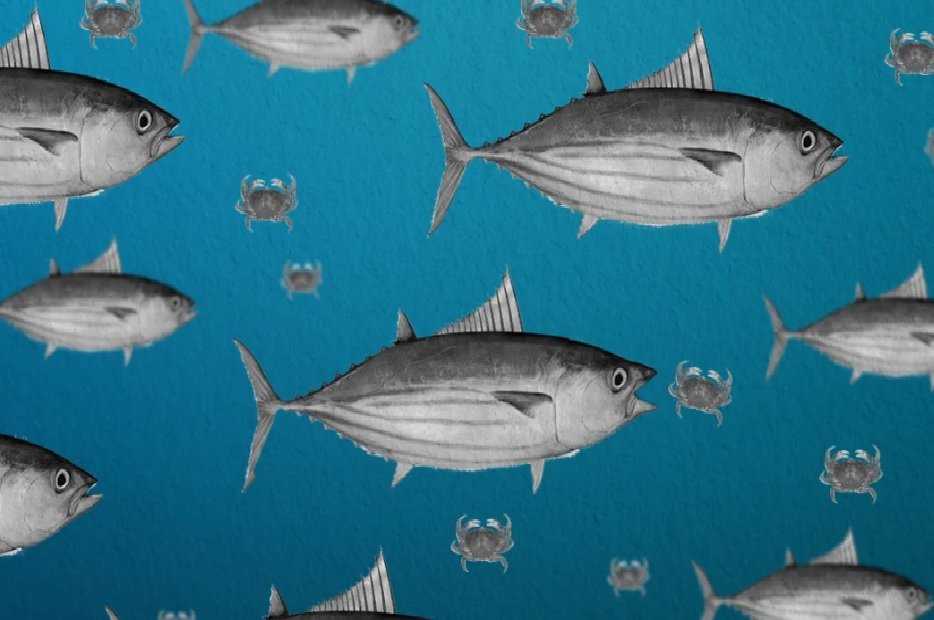
In late April, millions of dead young crabs washed ashore on the beach of Kaafu Vabbinfaru island. Experts have not seen anything like this in the country before.
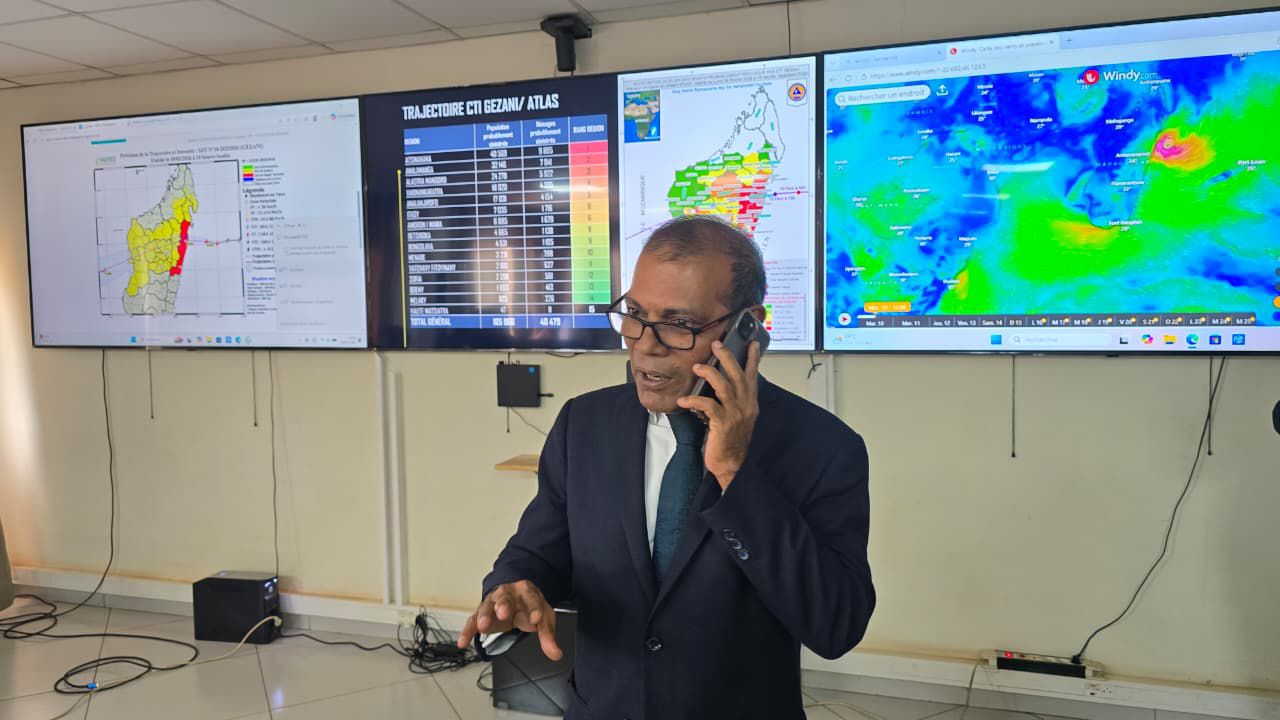
Dr. Mohamed Ahmed Shiham, director of science for the International Pole and Line Foundation in the Maldives, said this is a “very unusual event”.
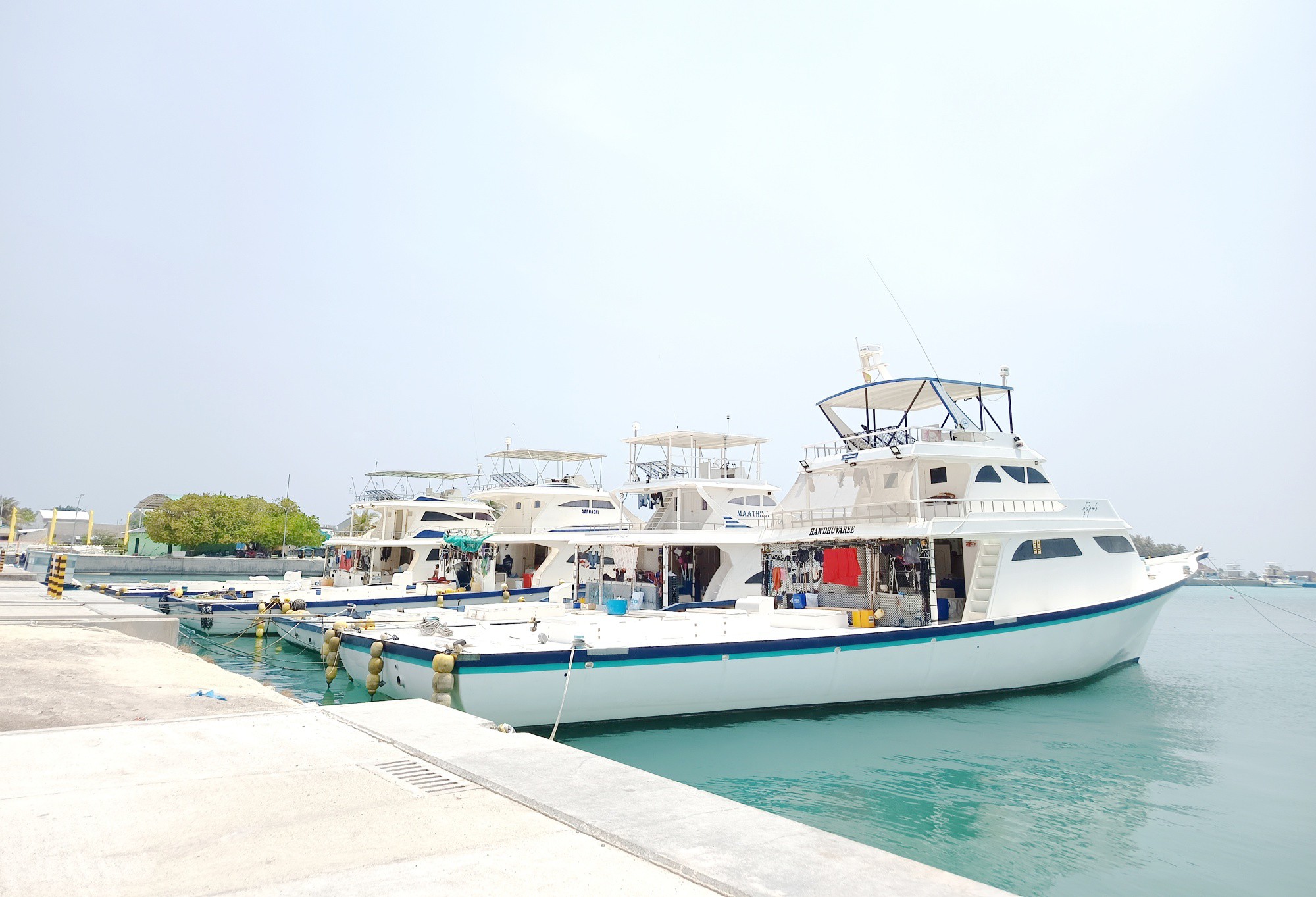
These young crabs are the main food for skipjack tuna and yellowfin tuna caught in the Maldives. However, no research has yet been done in the country to find the reason behind their deaths.
But studies done on similar incidents around the world indicate this could pose potential risks for crab species and other marine animals.
A report published in the Earth System Science Data journal on April 17 stated that scientists are concerned about rising global temperatures.
Ocean temperatures have reached record highs, but scientists are unable to identify a specific cause. But there is concern that temperatures may continue to rise.
Experts also predict that a strong El Niño will begin in the coming months. El Niño is a climate pattern that causes sea temperatures to rise. This can lead to a number of problems, including the death of species and other climate risks.
Many areas around the world reported record high temperatures in April. In some areas, sea temperatures rose to exceptionally high levels compared to historical records.
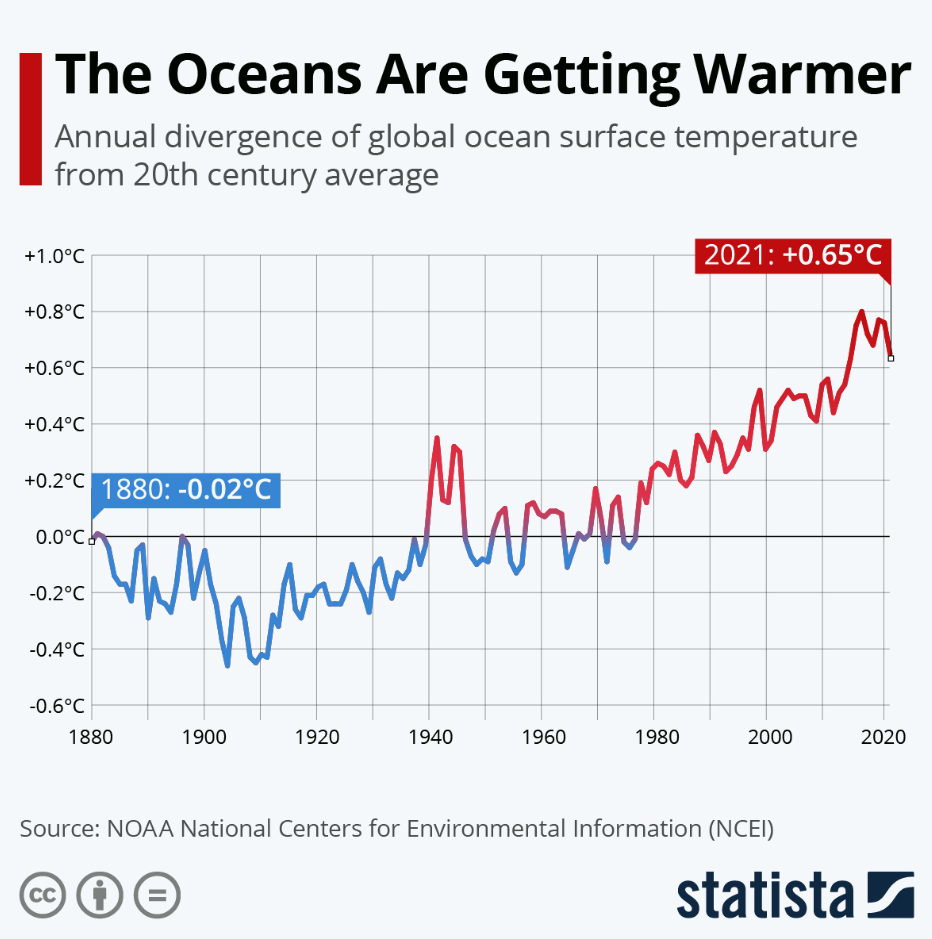
Graph shows rising sea temperatures.
The eastern coast of North America is one example. Statistics show that the sea temperature in that region has risen 13.8 degrees higher than the level recorded between 1980 and 2011.
"It's not yet well established why such a rapid change and such a huge change is happening," BBC quoted Karina Von Schuckmann.
She is the lead author of the new study published in April and an oceanographer at the research group Mercator Ocean International.
"We have doubled the heat in the climate system in the last 15 years. I don't want to say this is climate change, or natural variability or a mixture of both, we don't know yet. But we do see this change."
Effects of rising sea temperature
The average sea temperature has increased by 0.9 degrees Celsius since the pre-industrial revolution, according to statistics.
This is a small change when compared to the rise in land temperatures. However, this modest change has a significant impact on marine species. Some of these issues are as follows:
- Coral bleaching and death
- Changes in fish migration patterns
- The decline of shellfish populations
- The spread of invasive species
- The disruption of food webs
Frequent, strong heat waves in the sea can cause the mass death of species. One of the most vulnerable species is the corals that form reefs.
High sea surface temperature can also provide more energy to storms. As a result, storms are more powerful, frequent and their effects last longer.
Temperature increase can also lead to sea level rise. When water heats, it expands and takes up more space. This is called thermal expansion.
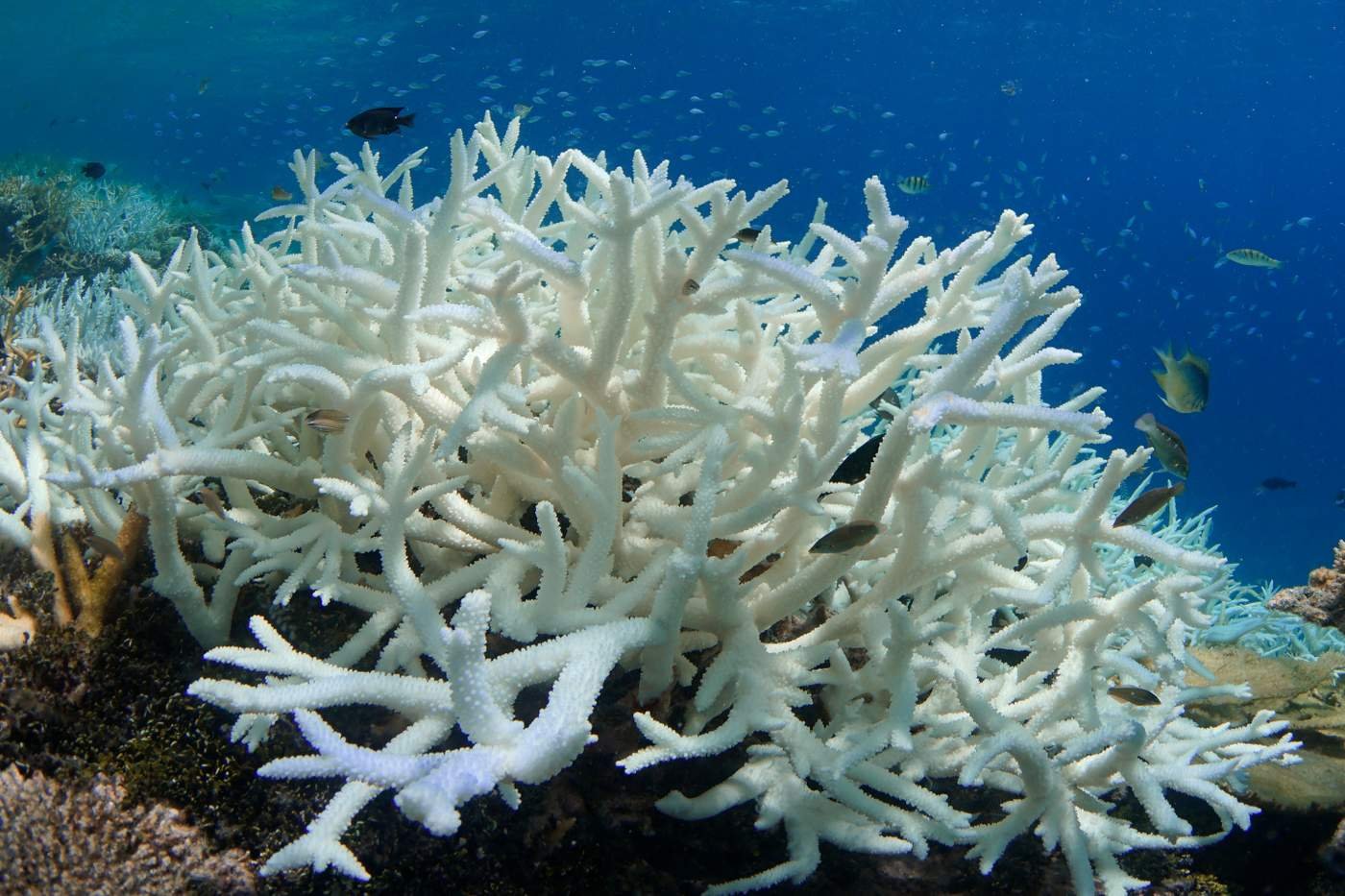
Bleached coral in Maldives.
The ocean absorbs about one-fourth of the greenhouse gases emitted into the atmosphere. If this absorption decreases in the future, it will lead to an increase in greenhouse gases in the atmosphere, which will in turn lead to an increase in temperature on land and sea.
While there has been no research done to determine the cause of crab deaths in the Maldives, it is clear that global sea temperatures reached record highs in April.
It is evident that crabs are the primary food source for tuna caught in the Maldives. The tuna population is already declining, so it is critical to determine the cause of crab deaths.