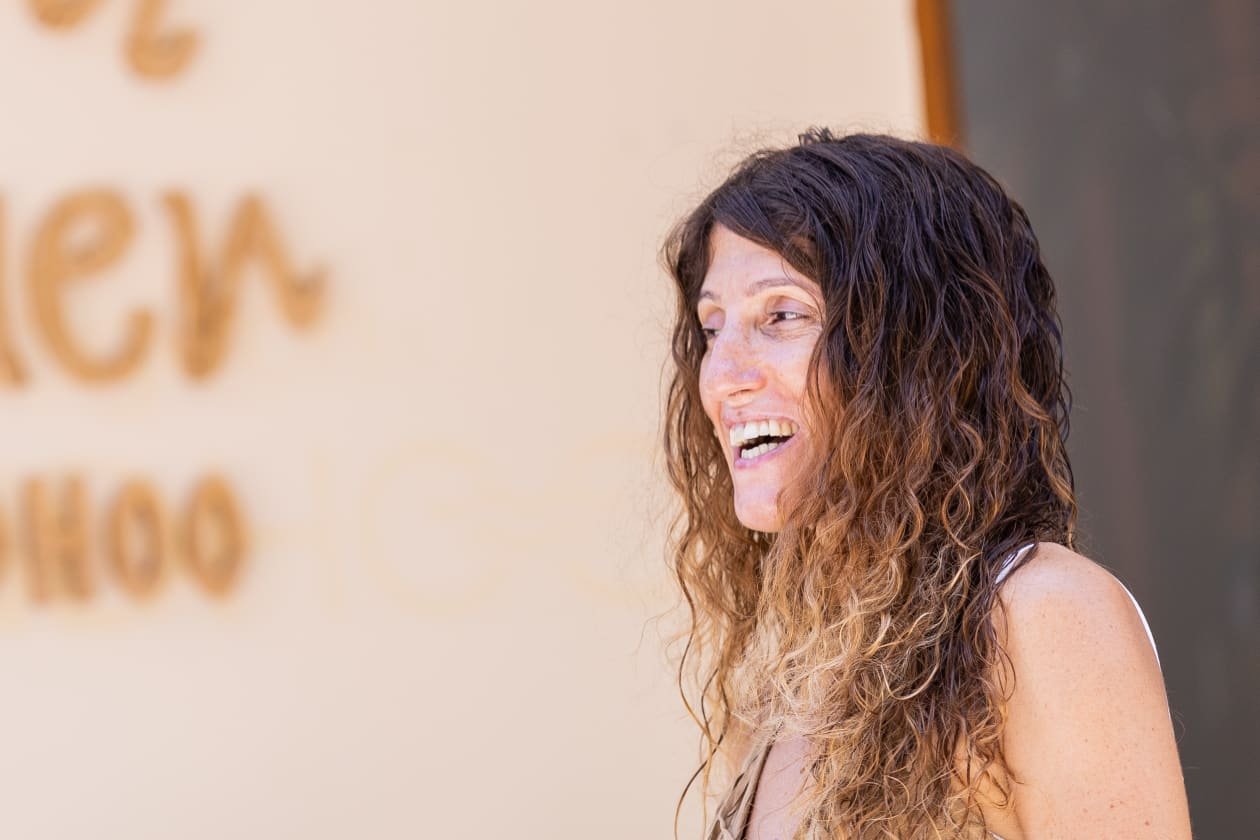
Ana Margarida Redondo, 32, has been to countless countries. She has seen mountains, valleys and beaches. She has experienced different cultures of various communities. But with a deep love for quiet and serene environments, Ana has a special place in her heart for a small island in the Maldives.
Fehendhoo is a 26 hectare island on the southern corner of Baa atoll. It is one of three islands that make up a separate natural atoll - the Goidhoo atoll. The charm of this sparsely populated island is enhanced by the rich marine life in the area.
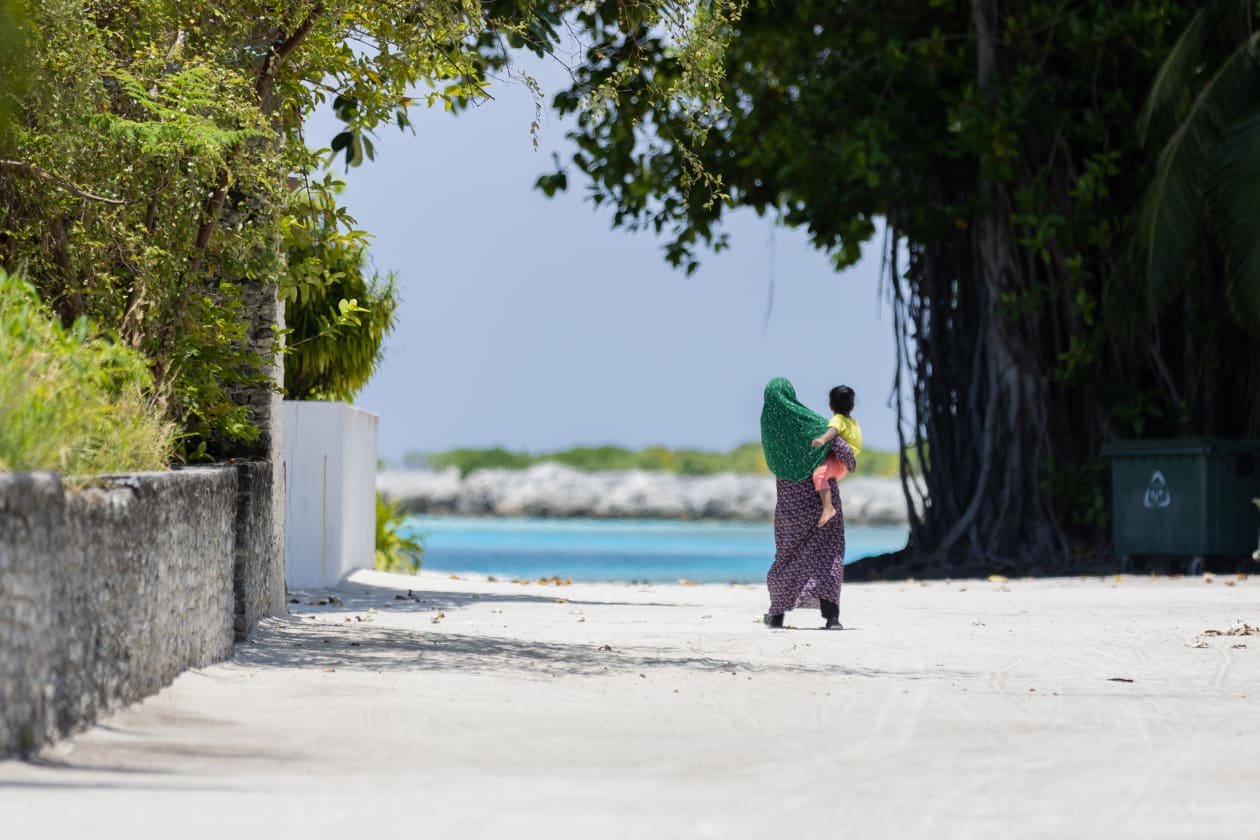
Fehendhoo is a 26 hectare island on the southern corner of Baa atoll. -- Photo: Mohamed Shabin/ Adhadhu
“Ít had to be an island with few people and that is far away from the [congestion] of Male’. It also needed to be a green island with people that love the environment. All those conditions are perfect in Fehendhoo,” Ana expressed her love for the island.
Ana, who is from Portugal, has been residing and operating a guesthouse on Fehendhoo for the past two years. Although the Maldives is described as paradise on earth, she says her experience has not allowed her to feel the truth of those words.
“Living outside of Male’ or Hulhumale’ is a big challenge. It is painful. There have been days when I felt sad and cried because of these challenges,” Ana expressed her feelings over the centralization of development in the capital region.
Transporting goods; a big burden
As a foreigner who has a small investment away from the capital region, Ana said the biggest challenge is acquiring supplies for her business. She described the distress of having to travel to Male’ two or three times a month to make purchases for her guesthouse.
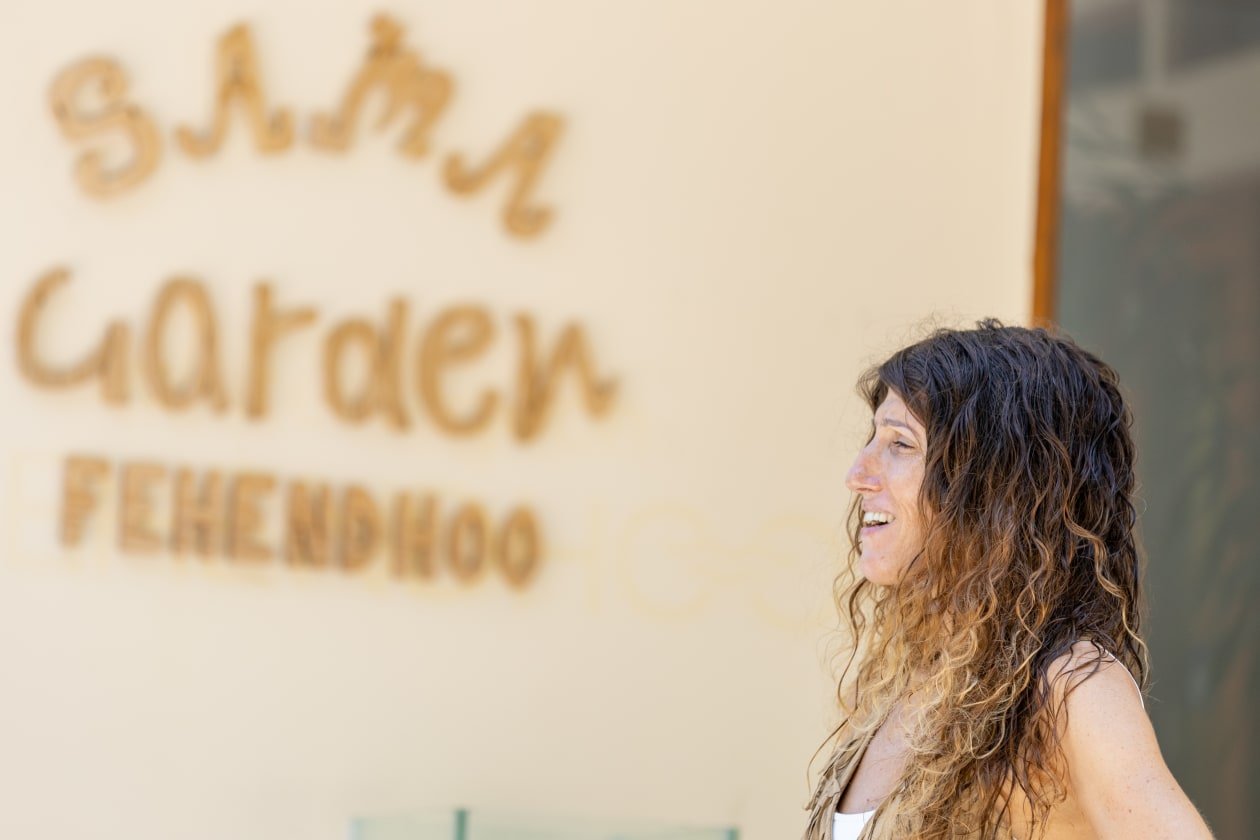
Ana Margarida Redondo runs a guesthouse in Fehendhoo. -- Photo: Mohamed Shabin/ Adhadhu
She also highlighted the difficulty in finding vessels that would travel to Fehendhoo on a regular basis. There are two boats that travel from Male’ to Fehendhoo each week, but delays and changes in schedule are frequent.
“There is no guarantee on the boats,” she said.
Ana also expressed concern over the transportation costs for tourists. The closest airport to Fehendhoo is Baa Dharavandhoo airport. Tourists who fly in to Dharavandhoo need an additional speedboat ride of about 30 minutes to reach Fehendhoo. The cost for that is MVR 3000.
Living outside of Male’ or Hulhumale’ is a big challenge. It is painful. There have been days when I felt sad and cried because of these challenges. - Ana
There is a daily speedboat between Fehendhoo to Male and back to Fehendhoo. It costs MVR 650 per local and MVR 1000 per foreigners. Flight tickets are also more costly for foreigners compared to locals.
“For example, if a family of four wants to visit Fehendhoo, they have to spend over USD 500 for return tickets. One reason the tourists pick these islands over resorts is because islands are supposed to be cheaper. So there is a big concern that they have to spend a big amount only on tickets,” Anna said.
Currently, there are four guesthouses on Fehendhoo. The daily speedboat from Fehendhoo leaves to Male’ at 7am and it returns back to the island at 1pm. Ana believes that speedboat schedules are another major concern for tourists.
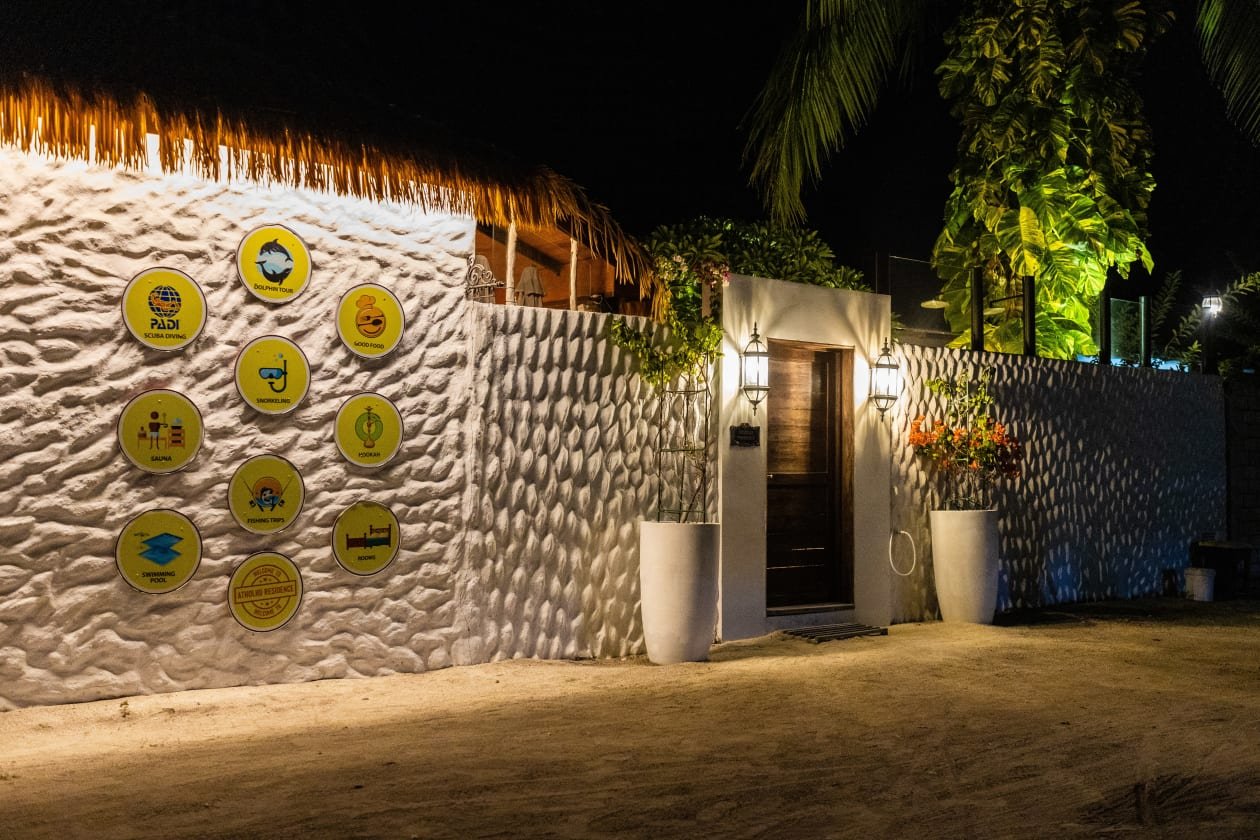
A guesthouse in Fehendhoo island. -- Photo: Mohamed Shabin/ Adhadhu
“A lot of our tourists come from Wizz Air. The flight lands in Velana International airport after 07:50 pm every night. So tourists who arrive on that plane need to stay overnight at a costly guesthouse in Male’ or Hulhumale.”
Anna said that this results in several canceled bookings every month.
Velana airport is the only option
Maldives recently celebrated the Golden jubilee of the tourism industry, but not much has changed in the aviation industry which is a key element to expand tourism. There are tourists who want to visit the far north or the far south of the country, but the vast majority of them are still forced to enter the country through the main international airport in the central region.
It takes around two hours from Male’ to Fehendhoo by speedboat. Ana’s biggest disappointment is that despite the huge tourism demand for local islands, they are still neglected by the policy makers and all the development is centered in the Male’ area.
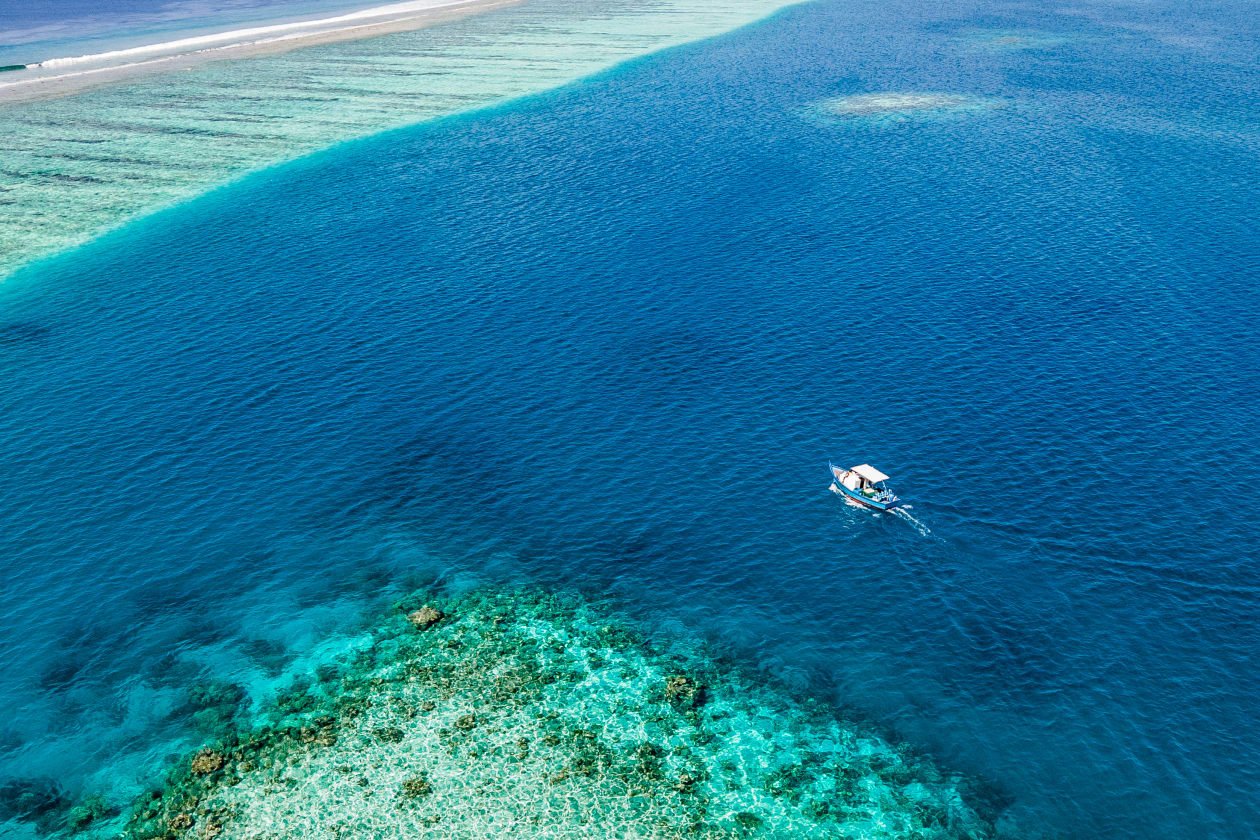
The pristine water surrounding Fehendhoo island. -- Photo: Mohamed Shabin/ Adhadhu
“I can see the beauty of these islands. It is perfect to have a guesthouse business in Fehendhoo. But I wonder why the governments do not have policies in place to further investments in these islands.”
Ana believes that Fehendhoo is the perfect island, but the future of the island’s guesthouse industry is in question. While the Maldives is an island nation, every single island faces the same challenges to varying degrees.
Translated by Saya Ahmed