Legal sales are holding up. Has smoking actually come down? Here’s what we don’t know.

Nov 29, 2026, 12:28 PM
Cigarette

Cigarette

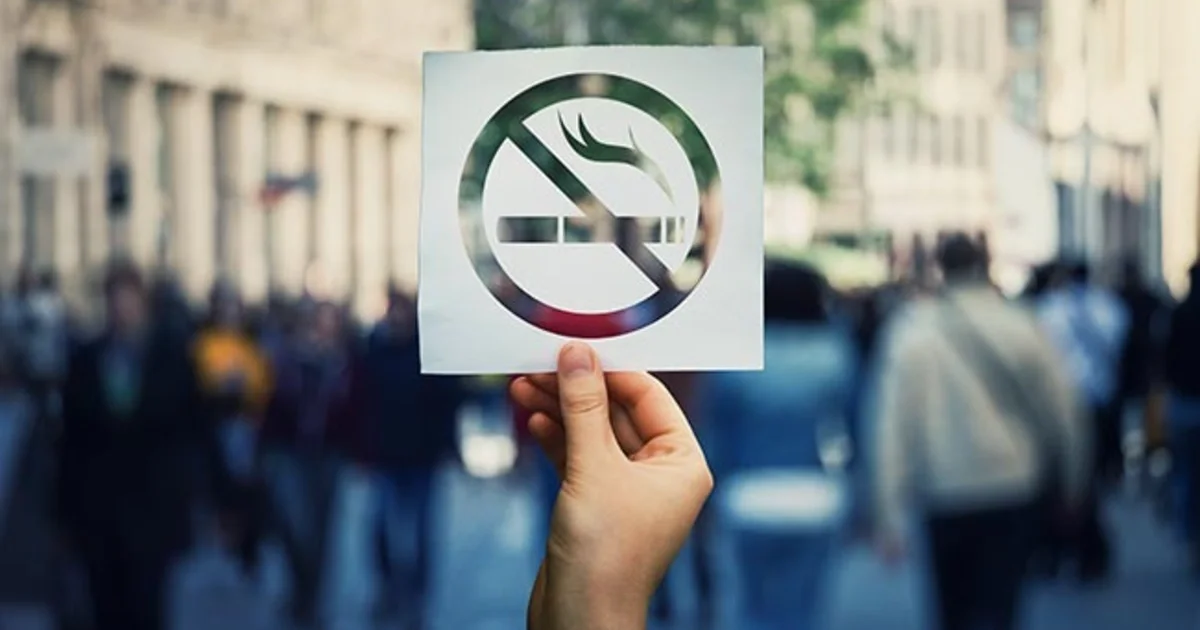
Legal cigarette sales in the Maldives appear to be holding up following the duty change. However, sales and revenue do not show how many people smoke, how frequently they smoke, or whether smoking prevalence is declining. Evaluating progress requires current prevalence data and transparent reporting on access to and outcomes from evidence-based cessation services.

If the goal is fewer people smoking, how many adults are reached by cessation services, and are the approved interventions available to them? What options exist today, and how easy are they to reach?

Quitting is hard for most people. Over 60% of the world’s 1.2 billion tobacco users, roughly 750 million people wish to quit, yet nearly 70% lack access to comprehensive cessation services. The access gap is not only about demand. According to the World Health Organization, it persists due to challenges faced by health systems, including resource limitations. This affects a wide range of consumers, as WHO’s clinical guidance applies to adults seeking to quit any tobacco product and sets out the evidence-based cessation interventions that health systems may provide.

Are cessation interventions reaching people across the islands, and what evidence do we have? In 2025, 2,003 people sought cessation support and 375 quit. That doesn't tell us how "quit" was defined, how long people were followed up, or how many of those who want support actually get it.

What about adults who keep smoking? Does current policy give adult smokers enough options to move away from cigarettes? If someone wants to switch, can they find accurate information about the products available to them, and how does the current framework protect young people in the meantime?

Should success be measured only by legal cigarette sales and revenue, or also by whether fewer people smoke? If sales alone are the measure, a policy can look successful while smoking stays the same. Measuring smoking requires a current national figure, and we could not find an updated one. 

Comments

Read More

Latest News

What the Maldives Can Learn from Other Countries’ Approach

The Maldives is overhauling its tobacco policies, sparking debate over whether to prohibit or regulate nicotine alternatives. By looking at models in Sweden, Japan, and New Zealand, the country can weigh the benefits of product-specific regulations and strict safety standards against blanket bans to effectively reduce smoking rates.

Zionist ties to Rasmale' developer?

Public backlash has erupted in the Maldives over a massive land deal with Emirati billionaire Mohamed Alabbar for the Rasmalé project. Critics label Alabbar a "Zionist," citing his historical ties to Israel and recent refusal to aid Gaza. Opponents argue the 99-year land grant insults the nation's pro-Palestine stance.

Fact check: Salaf statement backed settlement of non-Muslims

Jamiyyathul Salaf has denied reports claiming they support the settlement of non-Muslims in the Maldives, calling the news "propaganda." However, fact-checks reveal the group's original statement did suggest such residency could be acceptable under specific conditions, despite their public insistence on maintaining a 100% Islamic identity.

The Maldives on a Geopolitical Tightrope

By strengthening defence and cybersecurity ties with Pakistan, the Maldives must look beyond the immediate benefits of cooperation to consider the wider implications for regional stability, national security and economic prosperity.

Who is watching our dollars? A question for the regulator

Bank of Maldives customers face severe dollar shortages and withdrawal limits, raising concerns about the bank's liquidity. While the bank cites unsustainable outflows, the public is questioning the Maldives Monetary Authority’s silence. As a regulator, the MMA is expected to provide transparency and ensure the banking system remains stable.

Three days in November: Navi Pillay and the Maldives

In 2011, Navi Pillay became the first UN High Commissioner for Human Rights to visit the Maldives. While she praised the nation's democratic progress, her remarks on religious issues and flogging sparked intense controversy. These comments eventually triggered major protests in Malé, overshadowing the official goals of her historic trip.

Rasmale' deal: Maldives gets "peanuts" in return for 500 hectares

The Maldives government has sparked controversy by granting 500 hectares of the newly reclaimed Rasmale' project to a Dubai-based firm for 99 years. Critics warn the secretive deal lacks transparency and fair compensation, potentially surrendering the nation's most valuable real estate for minimal public gain.

Newsletter

Get the latest news delivered straight to your inbox