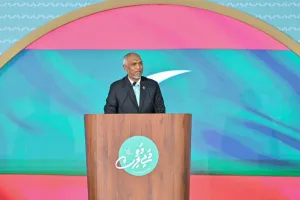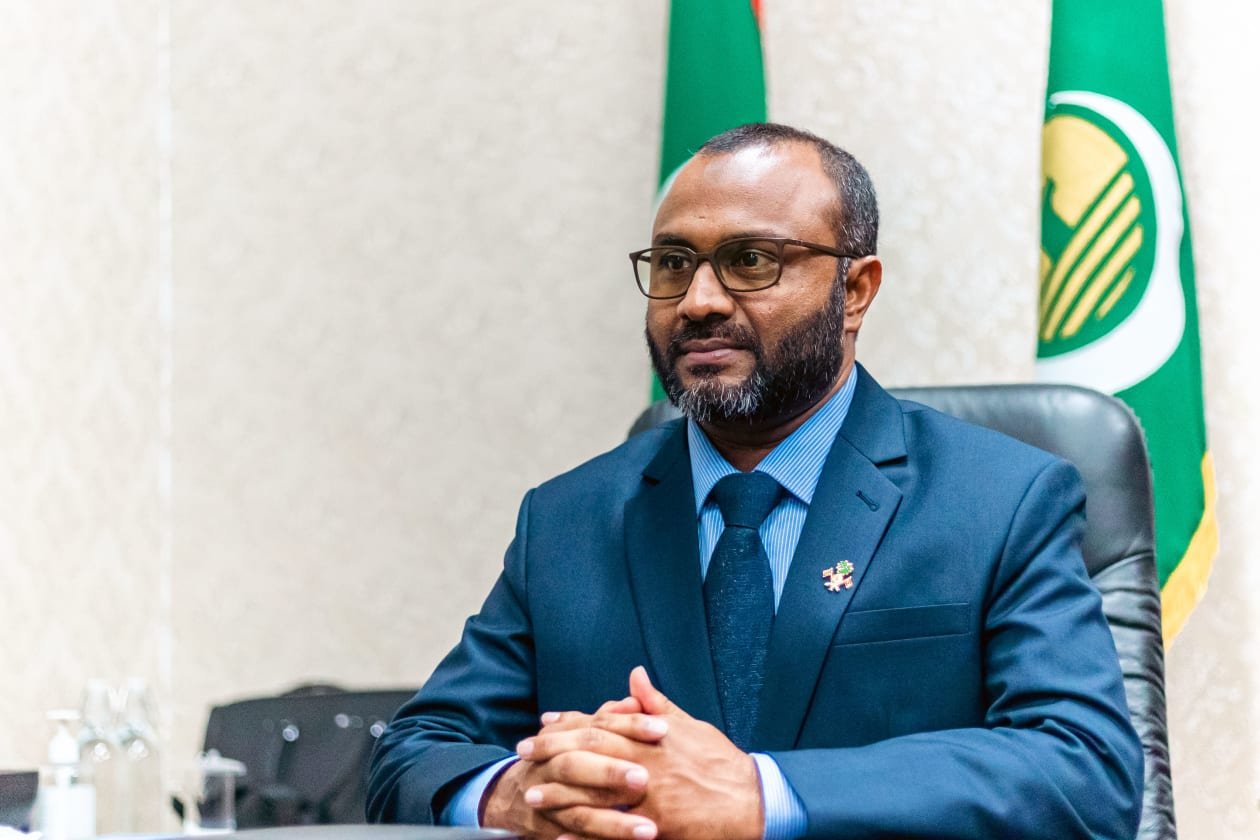
Following the swearing-in of President Dr. Mohmed Muizzu, Islamic Minister Dr. Mohmed Shaheem Ali Saeed was the first to release a long list of planned activities on social media. The establishment of a "Zakat House" or an office that handles all matters related to Zakat was one of the items on the list.
In an exclusive interview with Adhadhu, Shheem was questioned about the Zakat office. He explained in detail the priority that will be given to Zakat. According to Shaheem, one of the important reasons why Zakat is special is that it is the only pillar of Islam that can be expanded according to need and circumstances.
"For example, no matter how many people there are, the day of Hajj cannot be changed to another day. Nor can Hajj be performed twice a year, or the fast of Ramadan be changed to another month without an excuse," he said detailing how pillars of Islam cannot be altered.
titledesc
Unlike other pillars of Islam, Shaheem said that Zakat can be expanded according to the needs of the people.
An example of this is the change in the definition of the Amil or beneficiaries of Zakat. According to Shaheem, Amil is considered the bank that conducts the transactions of zakat money.
Zakat Office will be the agent for beneficiaries
Shaheem said Islamic countries have agreed that the Zakat office can be run from the expenditure of the Zakat beneficiaries. A resolution of the International Academy of Fiqh of the Organization of Islamic Cooperation (OIC) has stipulated that it can be done so.
"[The resolution says] if a special Zakat agency is established, it will become the Zakat agent. This means that when a Zakat House is established, the office will be established as a Zakat beneficiary," Shaheem said.
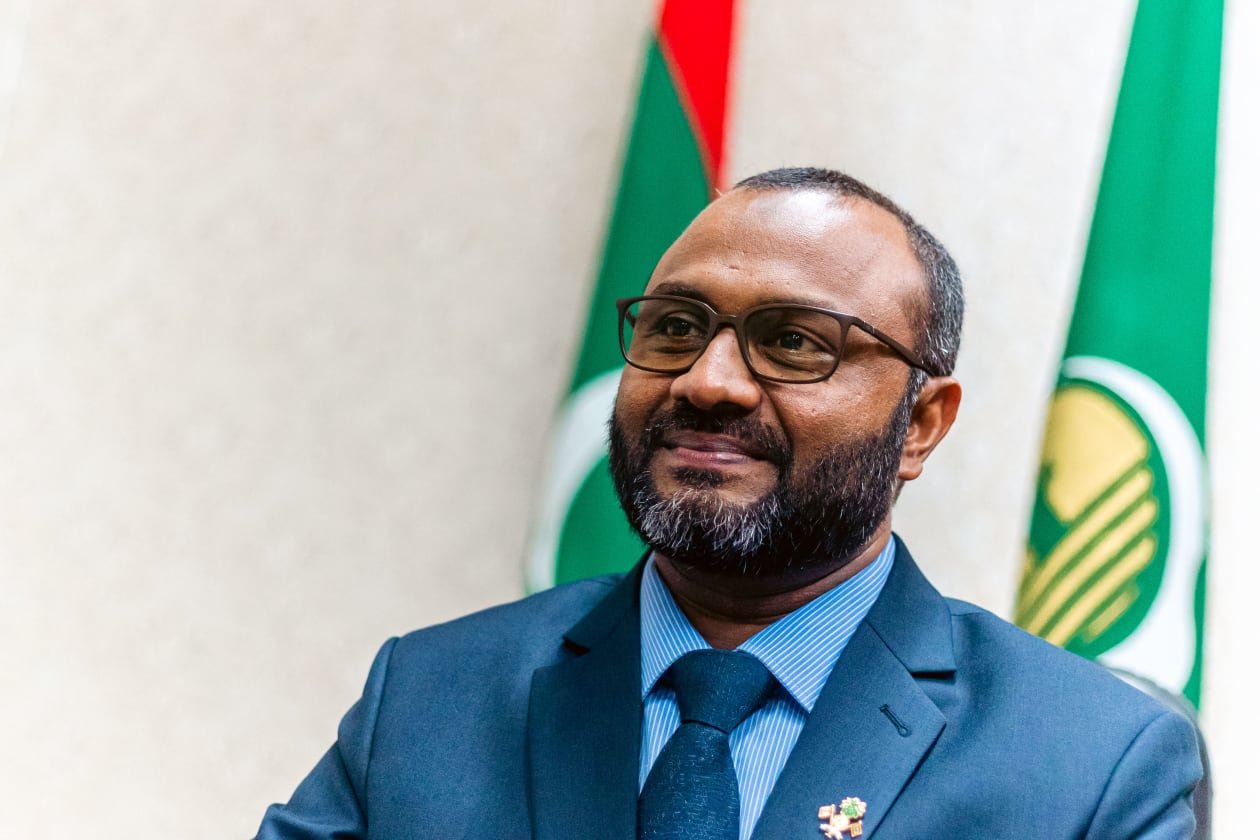
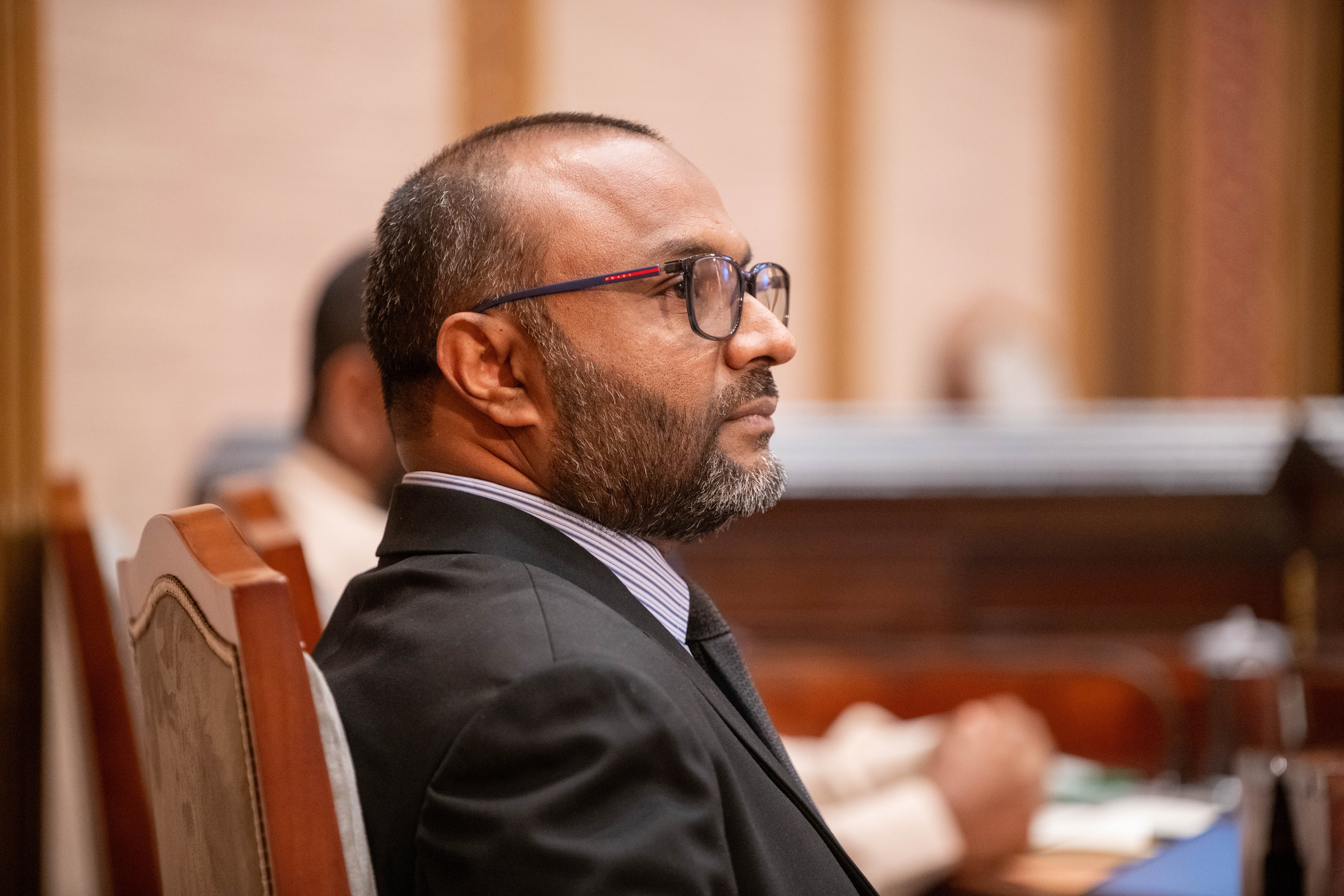
Islamic Minister Dr. Mohamed Shaheem. -- Photo: Mirash Nashim
The minister said that if the Zakat House is established in this way, the agency can be run without state expenses. He also gave a list of some countries that do so including Kuwait, UAE, Qatar, Sudan and Malaysia.
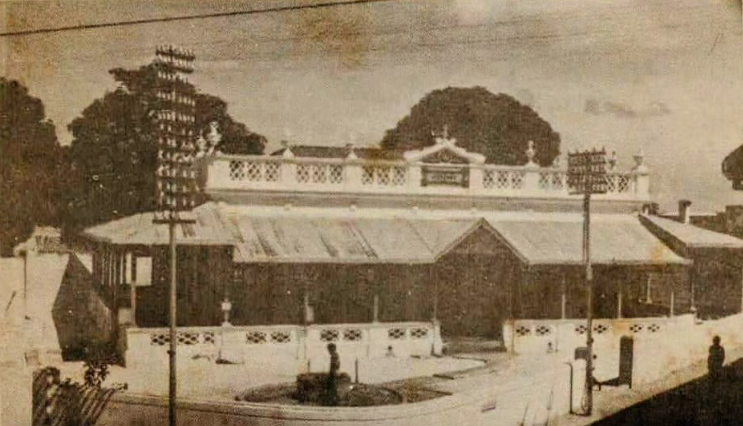
“Maldives also had [a special agency for Zakat] and the first Zakat office in Maldives was established in 1984,” Shaheem said.
The agency was established as a separate agency during the administration of former President Maumoon Abdul Gayoom and later transferred to the Ministry of Justice and Islamic Affairs. After the establishment of the Supreme Council for Islamic Affairs, the office became a department of the council in 1996.
When the Zakat Office was first established, President Maumoon appointed the late Sheikh Usman Abdulla as its head.
"Later it went into the Islamic Ministry and became a unit here. If the Zakat Office had continued as a separate agency till today, it would have been a great benefit to this country," he said.
If run properly, great benefit for the people
Shaheem said that if a Zakat office is established and run properly, Zakat can make a huge profit and do great things for beneficiaries. This is because the Fiqh scholars say that it is permissible to invest and increase the money of Zakat.
“Islamic Sharia Fiqh scholars have also said that Zakat money can be invested under the supervision of the state,” Shaheem said.
The minister said that when the Zakat money is distributed, the average poor person now receives about MVR 3000. A family does not receive more than MVR 10,000.
"But if this money is invested, properly invested in areas permitted by Islamic Sharia and the increase in this money is spent for the benefit of the poor, he [a poor person] will not get just MVR 3,000 per year. It is possible to even cover his housing through that."
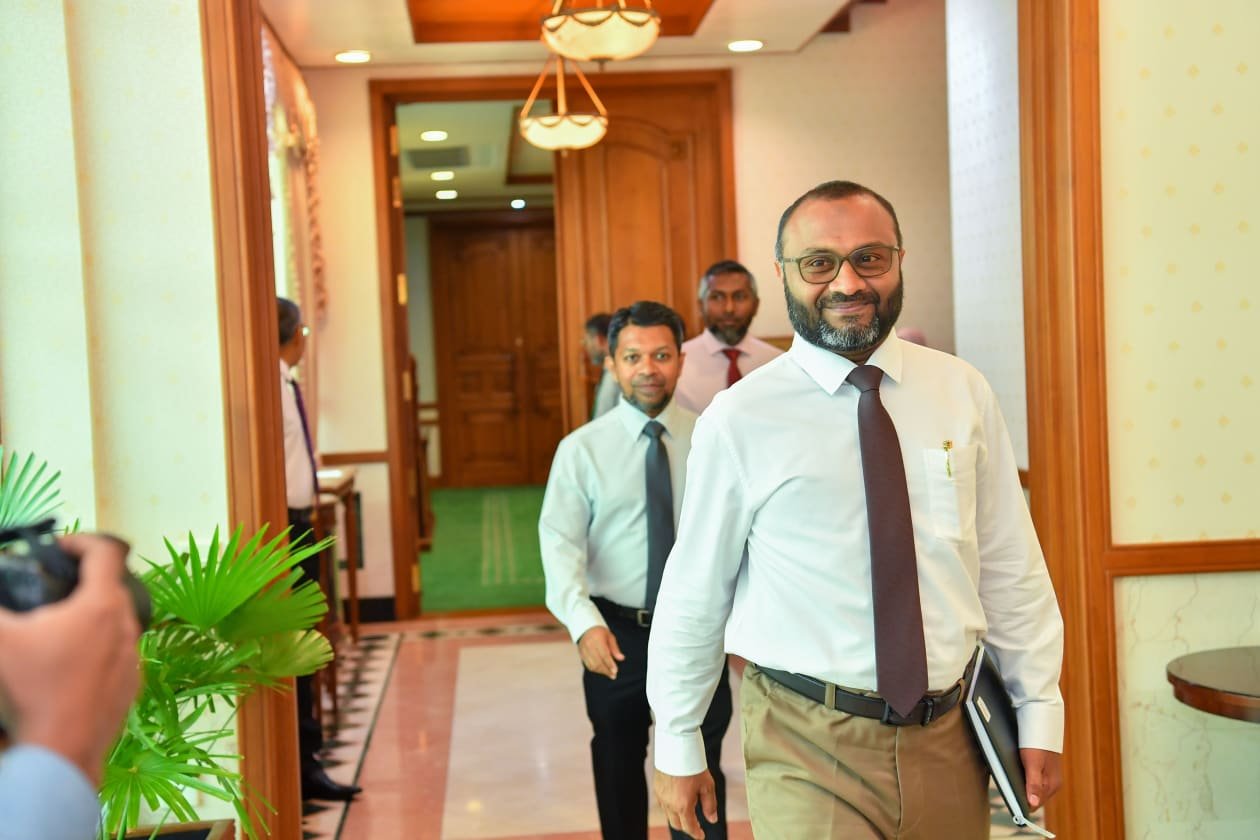
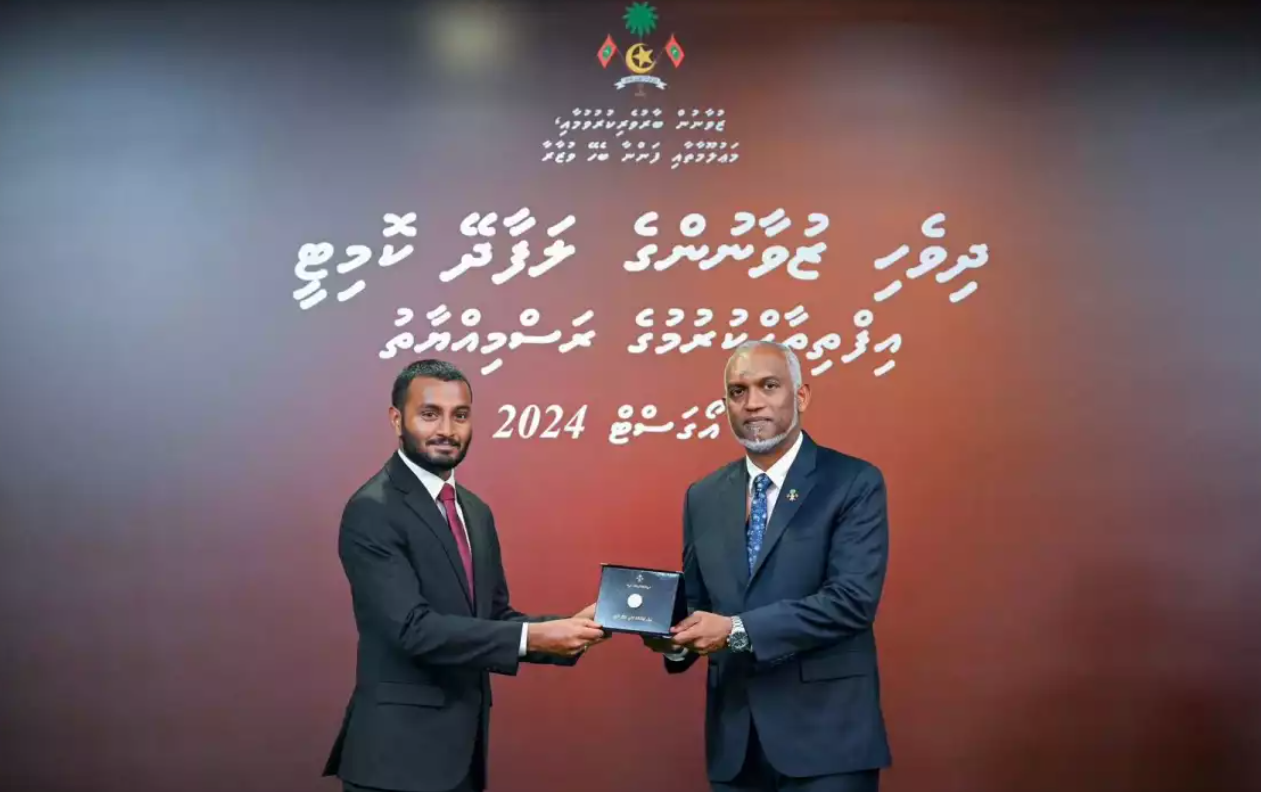
Islamic Minister Dr. Mohamed Shaheem. -- Photo: President's Office
Shaheem said that if the Zakat money is increased in that way, an apartment can be bought for a poor person in need of housing. That is permissible, he said.
If the collection of Zakat is done properly, a large amount can be earned within a year, he said. He claimed that the amount of Zakat received in a year was increased to between MVR 50 million and MVR 60 million during the government of former President Mohamed Nasheed under then Islamic Minister, late Dr. Abdul Majeed Abdul Bari and Shaheem as a State Minister. Shaheem disclosed that the current annual collection of Zakat is close to MVR 90 million.