Public concern is mounting over the continued sale of US dollars at inflated rates, despite legislative changes to the Foreign Exchange Act that criminalise reporting on unofficial rates and prohibit the sale of currency above the official peg.
Following a record surge in black market rates, the government amended foreign exchange regulations in August and established a specialised task force to dismantle the parallel market. At the time, authorities assured the public that these stringent measures would successfully drive down the price of the dollar.
However, information gathered by Adhadhu reveals that while the black market’s operational methods have shifted, dollars continue to be traded at rates significantly higher than the official exchange rate.
Under the legal amendments, it is now illegal to disclose or advertise dollar rates exceeding the official peg. This prohibition extends to the dissemination of such information via digital tools and social media platforms, effectively preventing news outlets from reporting the rates at which the dollar is being bought or sold on the unofficial market.
When launching the crackdown, the government and the central bank attributed the rising exchange rates to panic fueled by political rhetoric and media reports. Authorities warned that trading dollars at unofficial rates constitutes money laundering and would lead to criminal prosecution.
During the initial phase of the operation, authorities raided a business suspected of supplying the black market, revoked a money exchange license, and arrested a network of expatriates allegedly operating in the parallel market. While further arrests followed, the government has provided few details on legal actions or penalties against those involved, beyond the initial raids.
The government previously disclosed that seven unlicensed money changers had exchanged $76 million over a nine-month period. Officials also alleged that certain resorts were complicit in these illicit transactions.
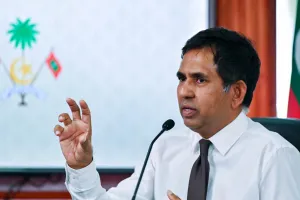
Economic Minister Mohamed Saeed has maintained that the operation has been successful and that the price of the dollar has fallen as a result.
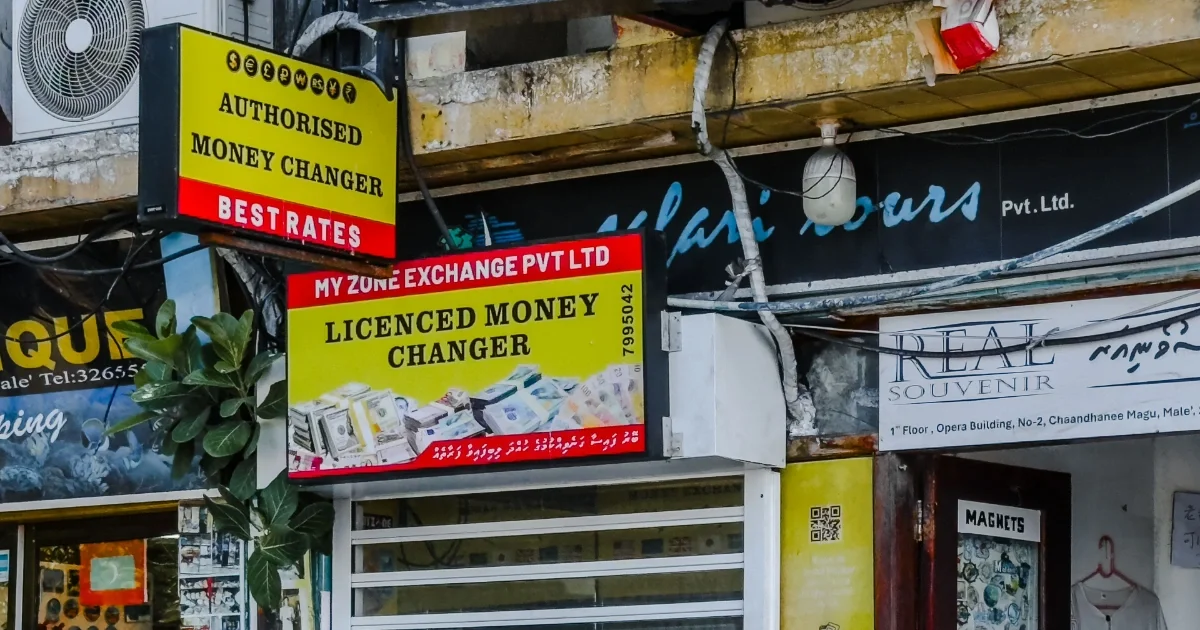
In contrast, business owners and members of the general public report that obtaining dollars has become increasingly difficult. Money changers no longer sell currency openly; instead, transactions have moved underground, conducted in secrecy only with trusted intermediaries.
Since the commencement of the government’s dollar operation, numerous money exchange outlets have closed their doors.
As the dollar shortage persists, experts warn that there is no quick fix to the crisis without fundamental changes to how foreign currency is managed and spent within the economy.
Nevertheless, the government remains optimistic that the task force’s efforts and increased dollar conversion requirements will eventually lower rates. Officials have also stated that the commencement of the Eagle Hills project in Rasmalé will provide a permanent solution to the country’s dollar woes.