The Finance Ministry's latest statistics reveal that the government has spent over MVR 4 billion from the national budget on subsidies this year to alleviate the cost of living.
According to the Ministry's most recent Weekly Fiscal Development report, subsidy expenditure reached MVR 4.1 billion by the end of the 38th week of the year. This figure represents an increase of MVR 1.2 billion, or 43.5 percent, over the MVR 2.8 billion budgeted for the entire year.
The government stated that the budget overrun was driven by rising global oil prices linked to the conflict in Iran, which significantly inflated the costs of fuel and electricity subsidies.
Detailed figures released by the Finance Ministry in July showed that MVR 1.8 billion had been spent on fuel subsidies alone by that point. This accounted for approximately 65 percent of the annual budget and marked a staggering MVR 1.1 billion increase compared to the MVR 702 million spent during the same period last year.
Given the current trajectory of subsidy spending this year, it is highly anticipated that total expenditure will surpass that of any previous year.
As subsidy costs continue to climb, international financial institutions have spent years advising the Maldives to move away from universal subsidies. These organisations continue to recommend a shift toward more targeted support.
While three successive administrations, including the current one, have attempted to reform this policy, none have successfully implemented the changes as planned.
The current administration first announced it would implement a new subsidy policy but later abandoned the plan. The government now maintains that it will reduce subsidy costs by improving the efficiency of electricity generation.
All funds allocated for subsidies in the budget are channelled directly to state-owned enterprises (SOEs).
Fuel and staple food subsidies are managed entirely by STO. Electricity and sewerage subsidies are distributed to Fenaka, STELCO, and MWSC, while transport subsidies go to MTCC. Waste management subsidies are allocated to WAMCO, and fisheries subsidies are provided to MIFCO.
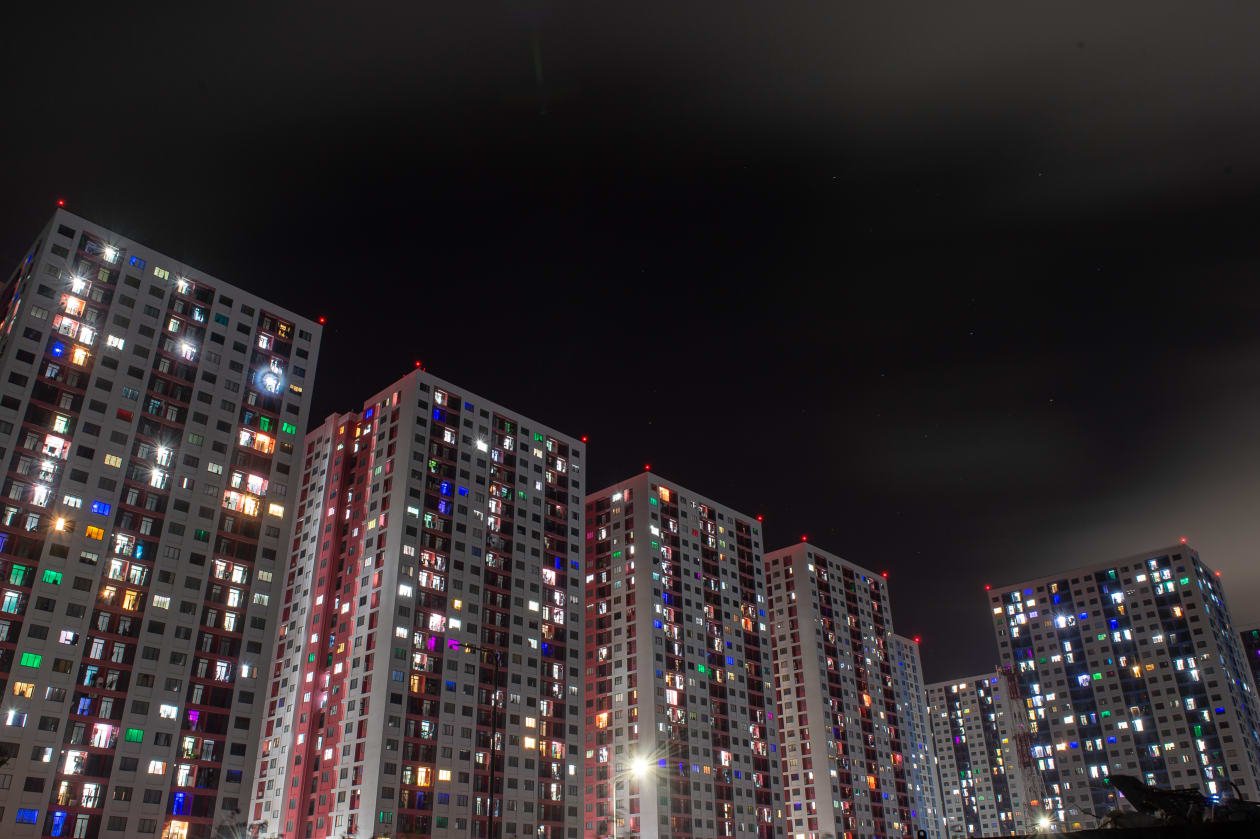
In addition, the government has utilised funds for housing subsidies to lower the cost of flats developed under social housing projects.
With the subsidy budget already exhausted and requiring additional funding, expenditures in this category have remained above MVR 3 billion annually since 2022. In each of these years, actual spending has consistently exceeded the original budget by several billion rufiyaa.