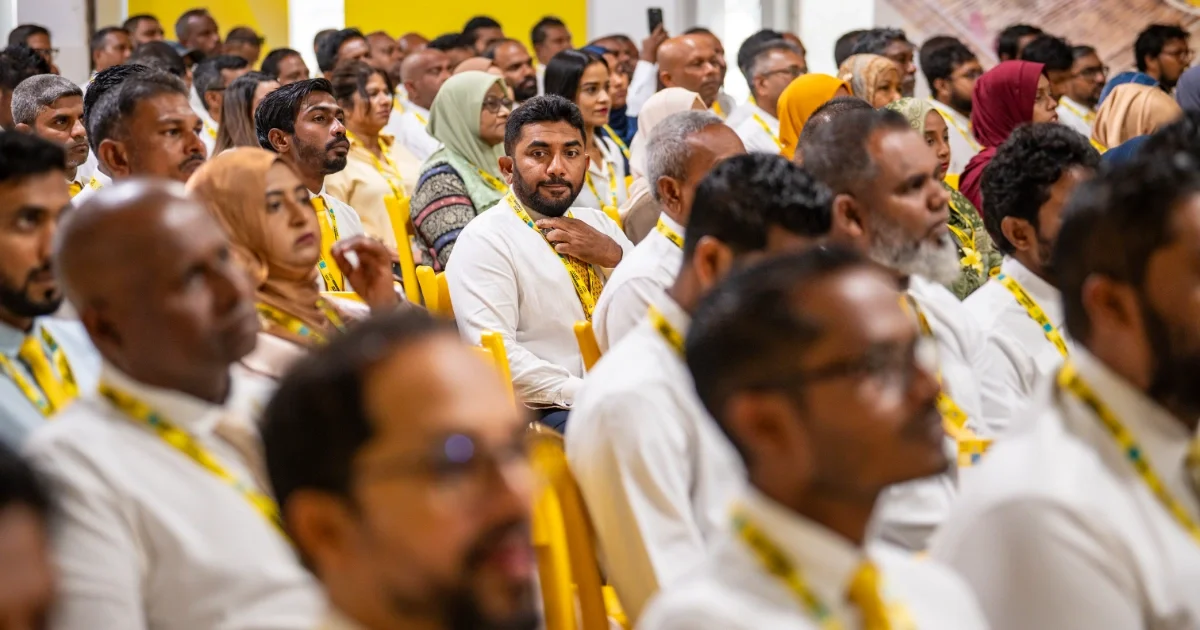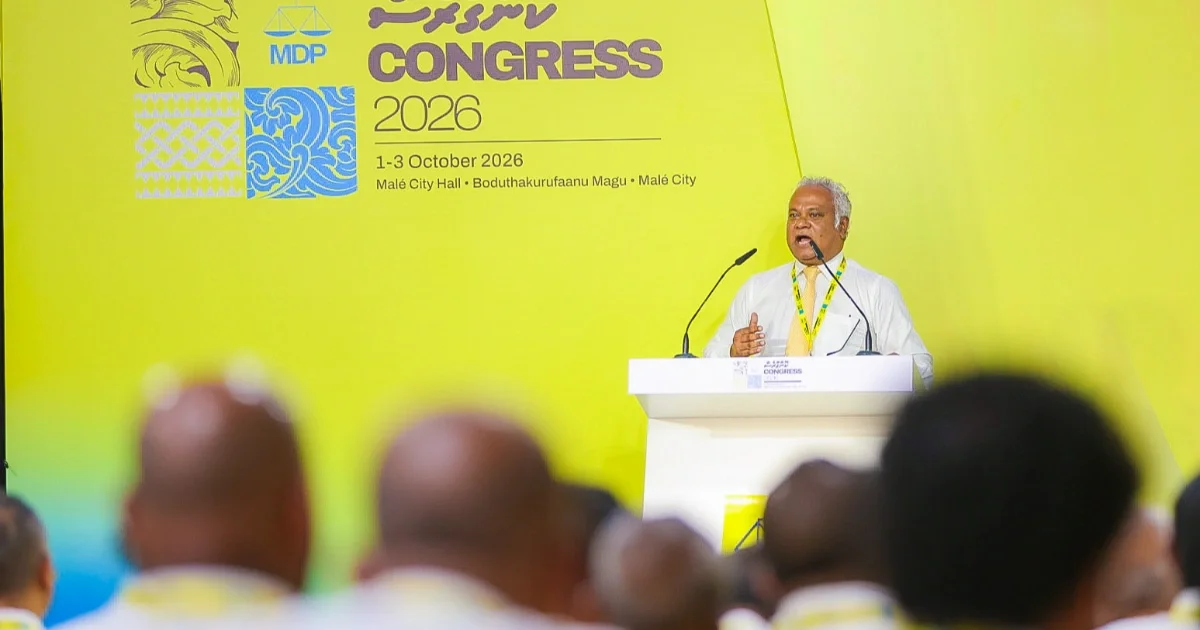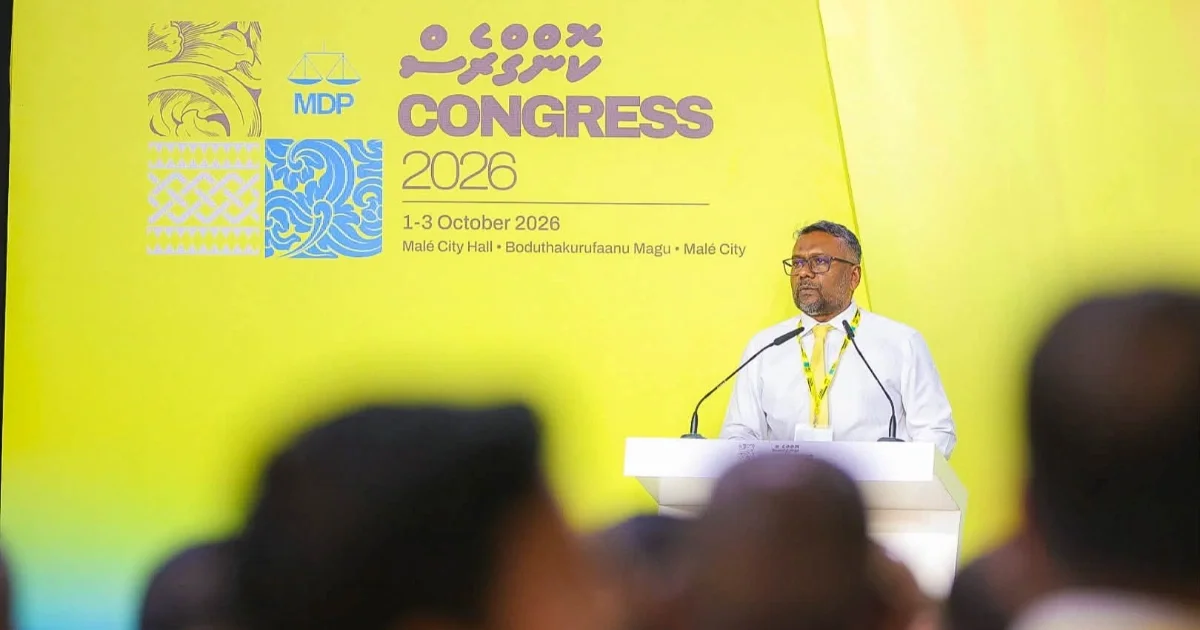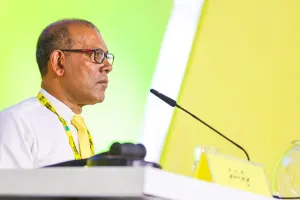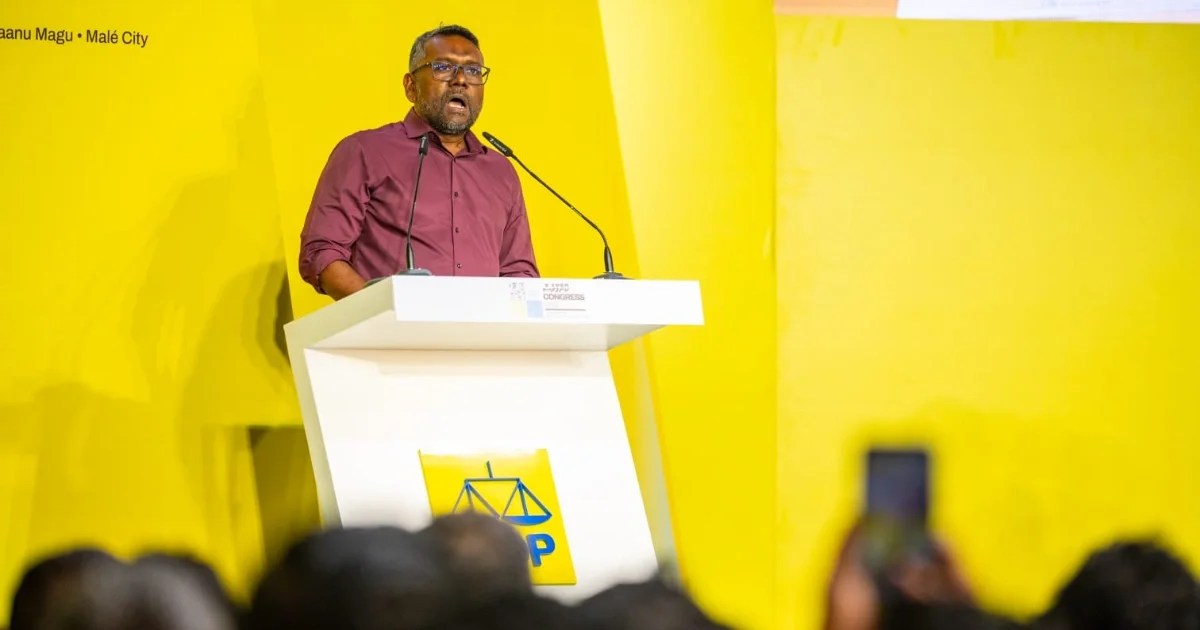
The opposition Maldivian Democratic Party (MDP) has always served as the shield protecting the Maldivian people from tyranny and authoritarianism, the party's former Chairperson Fayyaz Ismail said last night.
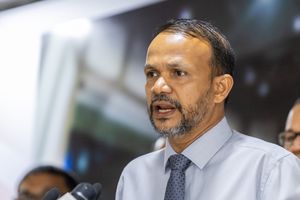
Speaking at the closing ceremony of the MDP’s fifth congress, the former Economic Minister and presidential hopeful accused the current administration of consolidating power and prioritizing authoritarian rule by blurring the lines between the three branches of government.
"The three branches are no longer separate; they are locked down. Our rights are being stripped away. The hopes we once envisioned are fading and disappearing. Today, we stand at a very critical juncture," Fayyaz said.
"The current state of affairs is one where waste, corruption, and misconduct have reached extreme levels."
Fayyaz said that the MDP has always been the barrier between such oppression and the citizens. He further assured that the party would not back down in its commitment to defending the rights of the people.
"The MDP has always been the shield between the Maldivian people and authoritarianism and tyranny. It will continue to be the MDP that saves the citizens from such plight. We will not step back while the people are being oppressed and the nation is being destroyed," he said.
Addressing the gathering, Fayyaz noted that the country’s governance system plays a significant role in the current state of total disarray.
"We are struggling for dollars, struggling for basic food staples, and struggling for medicine—there is nothing we aren't struggling for. When we fall into such a state, we must reflect on why this is happening. Is it a systemic issue or a failure of leadership? I would say it is a systemic issue," Fayyaz remarked.
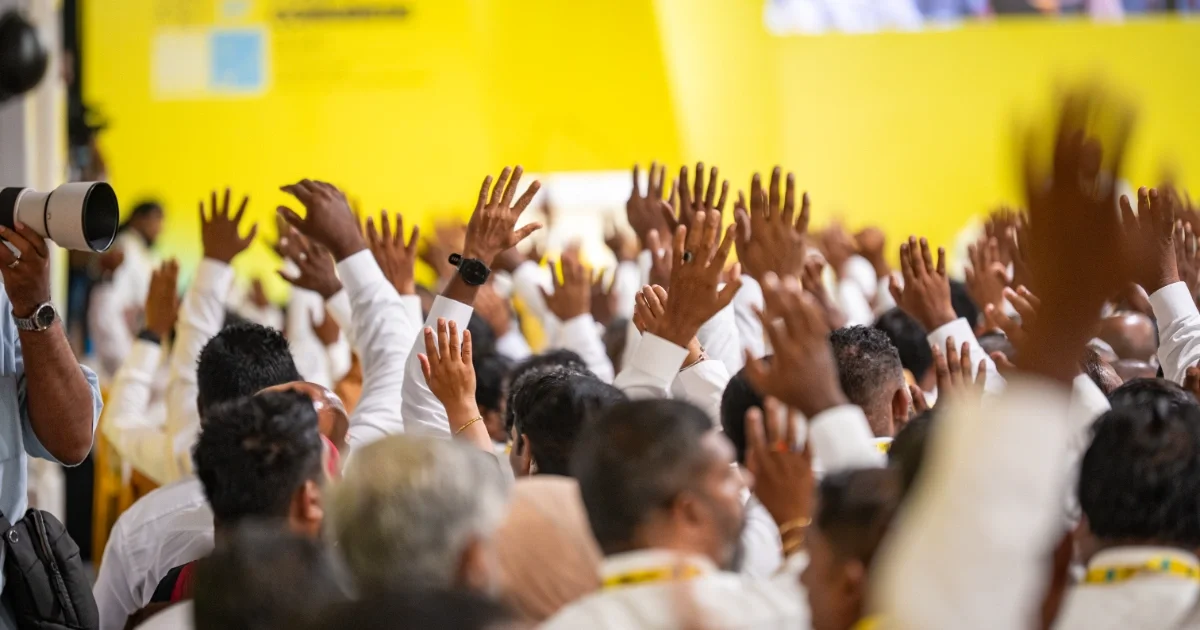
During the congress, the MDP passed a resolution to work towards systemic reform. The proposal, titled "Big Change," was submitted by Fayyaz himself.
The biggest reform proposed in the paper is the separate election of a Head of State and a Head of Government. According to the proposal, the Head of Government would be elected by a direct popular vote, while the Head of State would be elected through a vote cast by Parliament and local councils.