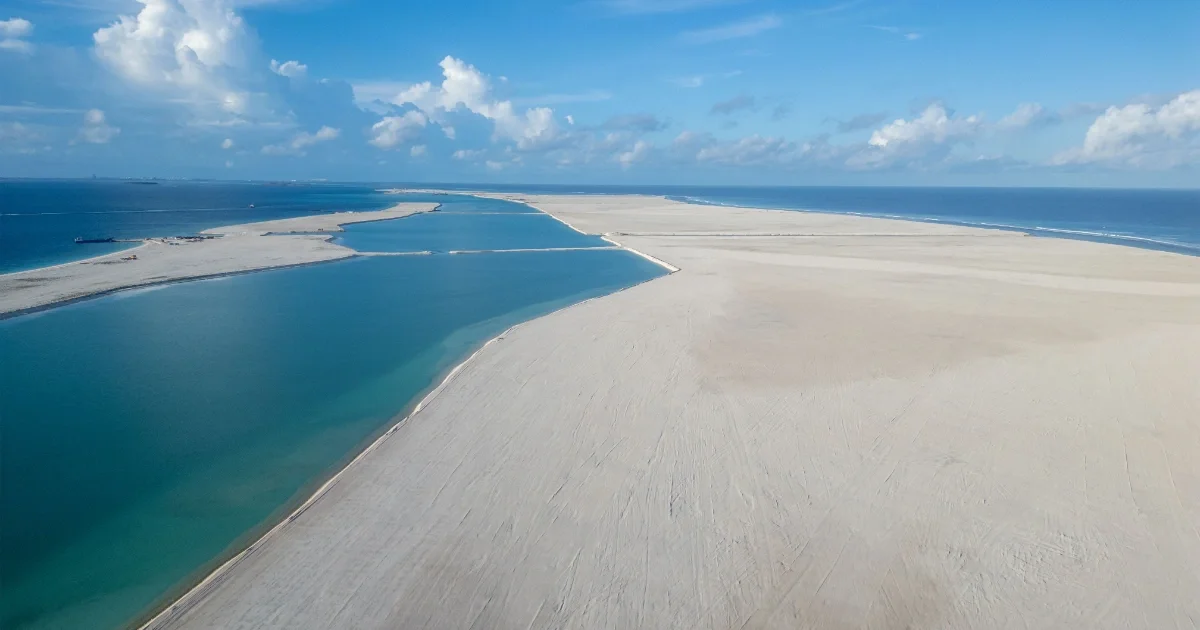
The proposed Real Estate Bill includes provisions to allow the consumption of alcohol and pork on separately reclaimed islands within Integrated Real Estate Zones under the Tourism Act, even though these items remain prohibited in the residential and commercial areas of the main zone.
Section 76(b) of the government-sponsored bill stipulates that lagoons within designated Integrated Real Estate Zones may be separately reclaimed to develop tourism facilities. The bill further mandates that, notwithstanding any other provisions in the Act, such reclaimed areas will be governed by the regulations set forth in the Maldives Tourism Act.
Under Section 77(c) of the bill, because these separately reclaimed islands fall under the jurisdiction of the Tourism Act, there are no legal barriers to granting permits for alcohol and pork, consistent with the regulations applied to standard Maldivian resorts.
In contrast, Section 77(d) of the bill prohibits the use of alcohol and pork within the primary real estate segment of the integrated zone. No permits for the import, sale, or consumption of such items will be granted to any developments, businesses, or residents within the main zone.
This legal framework would allow foreign residents living in the real estate zone to access these services by visiting the adjacent, separately reclaimed tourism islands. Furthermore, as current laws already prohibit businesses that facilitate gambling and the operation of casinos in resorts, such services would remain illegal even if a resort is developed under this new Act.
The sale of alcohol and pork also remains strictly prohibited by law in all inhabited islands across the Maldives.
There have been conflicting statements from government officials regarding the sale of alcohol and pork in Rasmalé. President Mohamed Muizzu has previously asserted that alcohol will neither be sold nor consumed anywhere within the development.
However, during a meeting with religious scholars, Attorney General Ahmed Usham suggested that hotels in the area could potentially sell alcohol by obtaining permits similar to those issued to resorts.