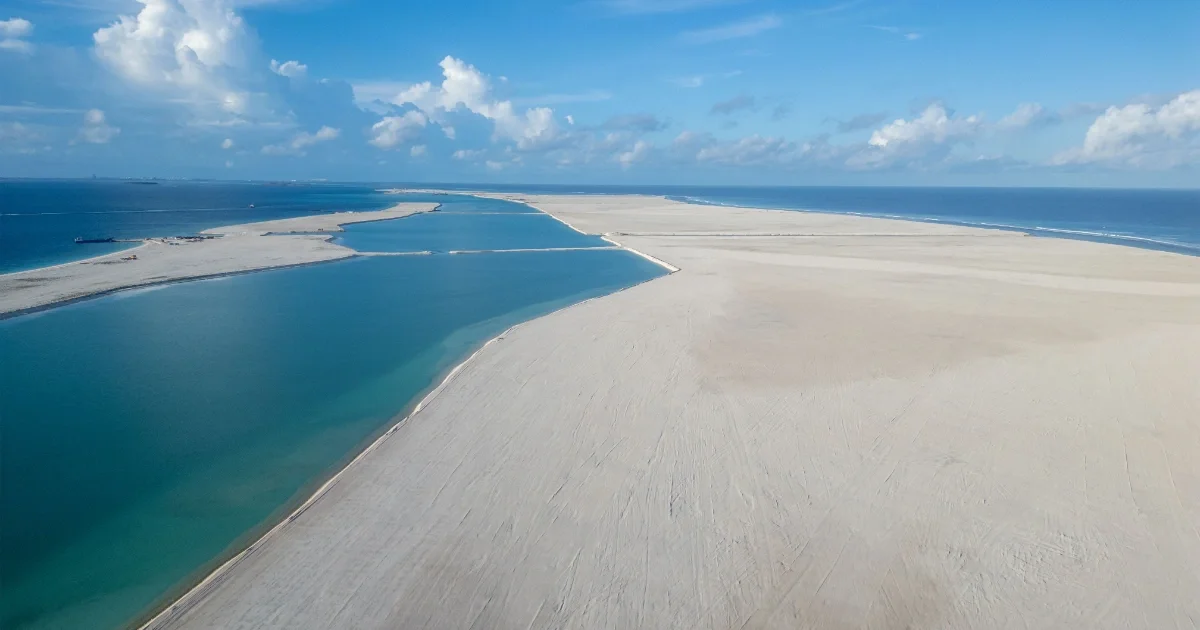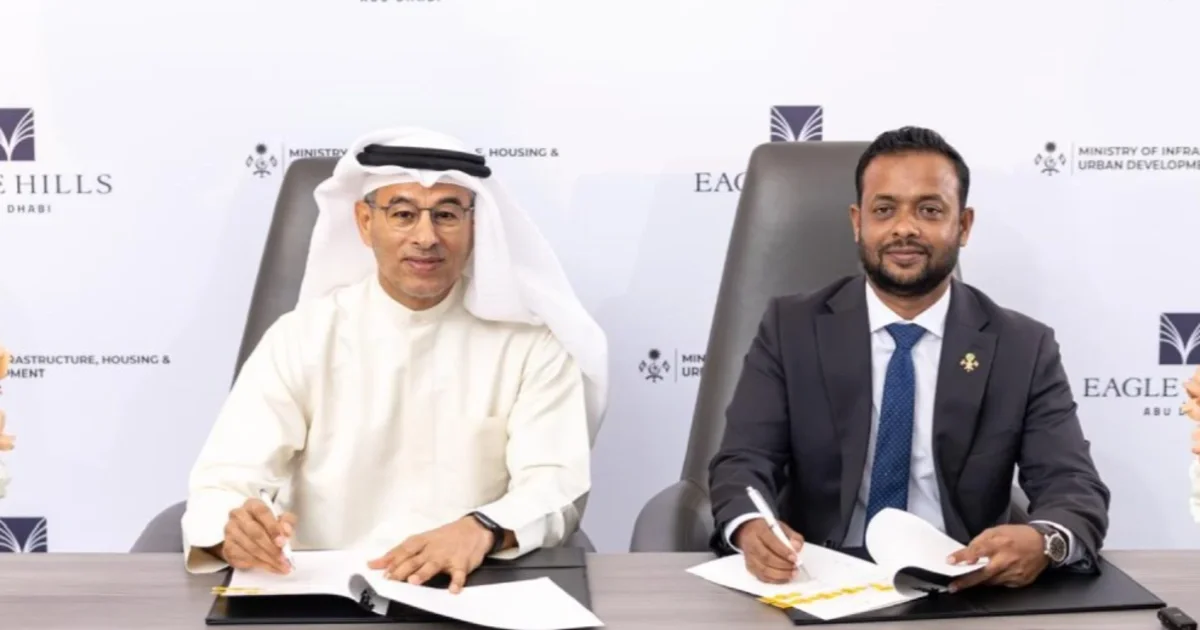
A transitional provision has been included in the Real Estate Bill that exempts the Rasmalé project, managed by the UAE-based Eagle Hills company, from competitive bidding processes and the requirement to share information with the Anti-Corruption Commission (ACC) and the Auditor General’s Office.
Section 159(a) of the "Real Estate Business Bill" submitted to Parliament states that if procedures for an unsolicited proposal were completed under the Public Finance Regulations prior to the Act coming into force, all conditions for entering into a Master Development Agreement shall be deemed fulfilled.
Under this provision, transactions conducted with Eagle Hills prior to the passage of the bill will be legally authorised. This is a specific legal exemption tailored directly for this project.
Section 84 of the bill outlines three standard methods for awarding real estate zones: through a public competitive bidding process for the best proposal, direct award to a party best suited to implement government policy without a public announcement, or awarding to a state-owned enterprise.
While the bill stipulates that future projects awarded via direct government proposals must share information with the ACC and the Auditor General’s Office, it does not specify the nature or extent of the information required.
Sections 76 and 78 of the Real Estate Business Bill mandate that such integrated zones must cover a minimum area of 200 hectares and require a minimum investment of $1 billion.
These zones can be leased to a Master Developer for a maximum of 99 years. In return, the state must receive either a one-time premium payment or a minimum of 10 percent of the proceeds from the sale or lease of properties within the zone. The President, acting on the advice of the Minister, holds the full authority to designate such zones.
A Master Developer can be either a 100 percent foreign-owned company or a Maldivian entity. The bill requires these parties to demonstrate financial capacity as well as structural and technical expertise.
Section 90 of the bill stipulates that the Master Developer must complete specific services before any property within the zone can be sold to foreigners or the general public.
These requirements include the construction of a tertiary-level hospital, an adequate number of mosques, and the establishment of commercial and entertainment facilities. Furthermore, internal transport systems and connectivity links to other regions of the Maldives must be established prior to the sale of properties.
As the government moves forward with the Rasmalé project, it has faced significant criticism. A case has also been filed with the Supreme Court alleging that the land allocation for this project is unconstitutional.
The government maintains that, to date, it has only signed a commercial terms agreement with Eagle Hills. Officials have repeatedly asserted that the project is being conducted strictly within the framework of Maldivian law.