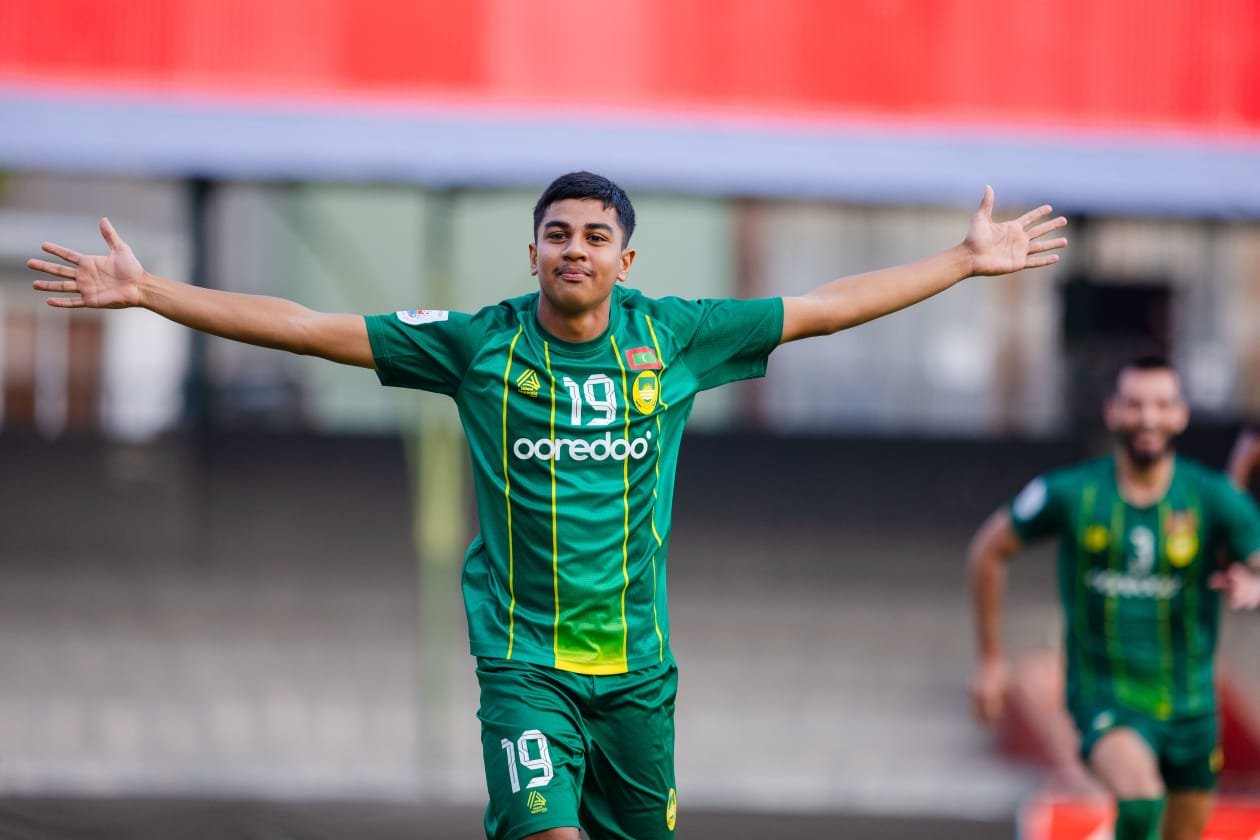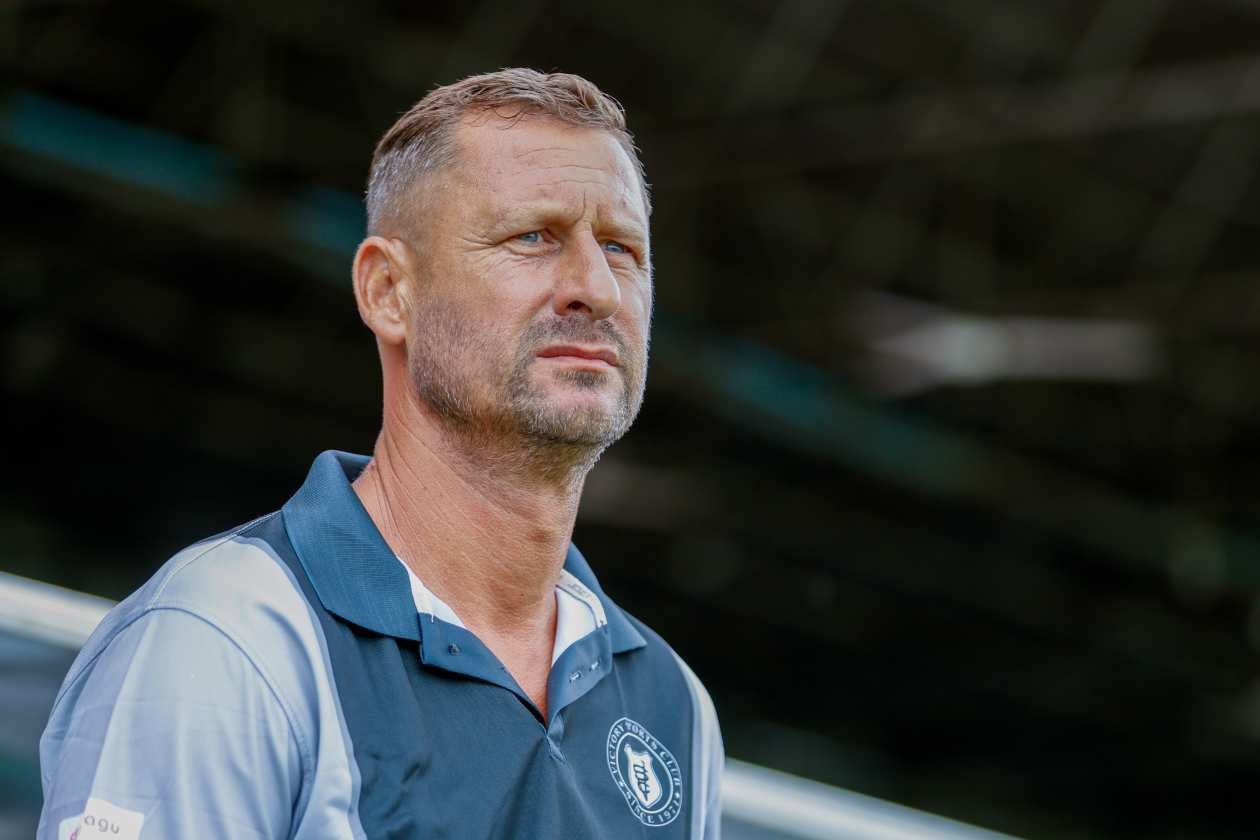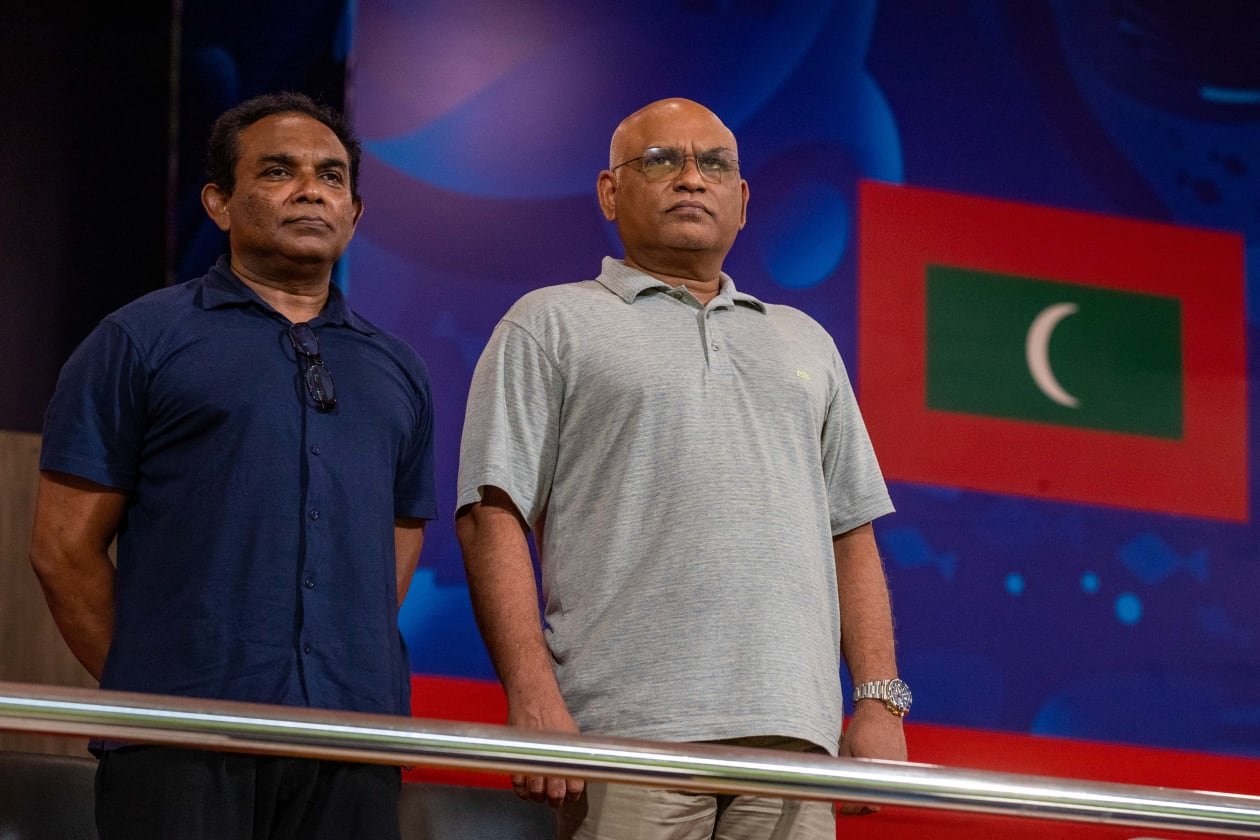
Male' Maldives: One of the country’s most historic clubs, Victory Sports Club, has seen its entire board resign, leaving only president Hussain Adam (Adambe) in place.
According to sources, the decision came after pressure from the current government to change the club’s leadership.
A board member who resigned said the move was taken to ensure the smooth running of the club. While the process of electing a new board is underway, insiders suggest that senior government officials are expected to play a role in shaping the new leadership.
Victory’s troubled past and return
Victory’s current president, Adambe, a former chief of staff at Muleeaage, was elected in 2022 alongside vice-president Ismail Latheef. The board included former MP Ali Niyaz, midfielder Mohamed Shafaz (Sappe), and long-time goalkeeper Ahmed Riyaz, among others. At the time, the club was returning from a three-year suspension.
Victory was suspended in December 2019 after failing to play league matches, complaints over unpaid wages, and licensing issues. The club claimed the ban was politically motivated and linked to disputes within the FAM. Adambe’s administration later cleared FIFA dues and settled payments to local players, allowing the club to return to football.
Having narrowly avoided expulsion in 2022, Victory has since competed in two tournaments, regained momentum in the second division, and achieved promotion back to the first division.
Government related officials influence in football governance
In November, New Radiant elected a new board. Mubeen, who resigned as managing director of Regional Airports Company after becoming chairman, also serves as vice-chairman of the FAM’s Diamond Jubilee Committee. Senior vice-chairman Mohamed Ibrahim (Kappi), a PNC parliamentarian and FAM vice-president, and WAMCO MD Mujtaba Jaleel (Mujey) are also on the board.
Among other senior figures is Mohamed Lamaan, deputy MD of Maldives Airports Company Limited and vice-chairman of New Radiant.
Observers point out that state-owned companies have long funded first division clubs, in the past, each club reportedly received MVR 3 million per season. Critics say this practice strained other sports and led to misuse of funds, while today, many state-owned enterprises remain deeply involved in football governance, particularly within New Radiant.