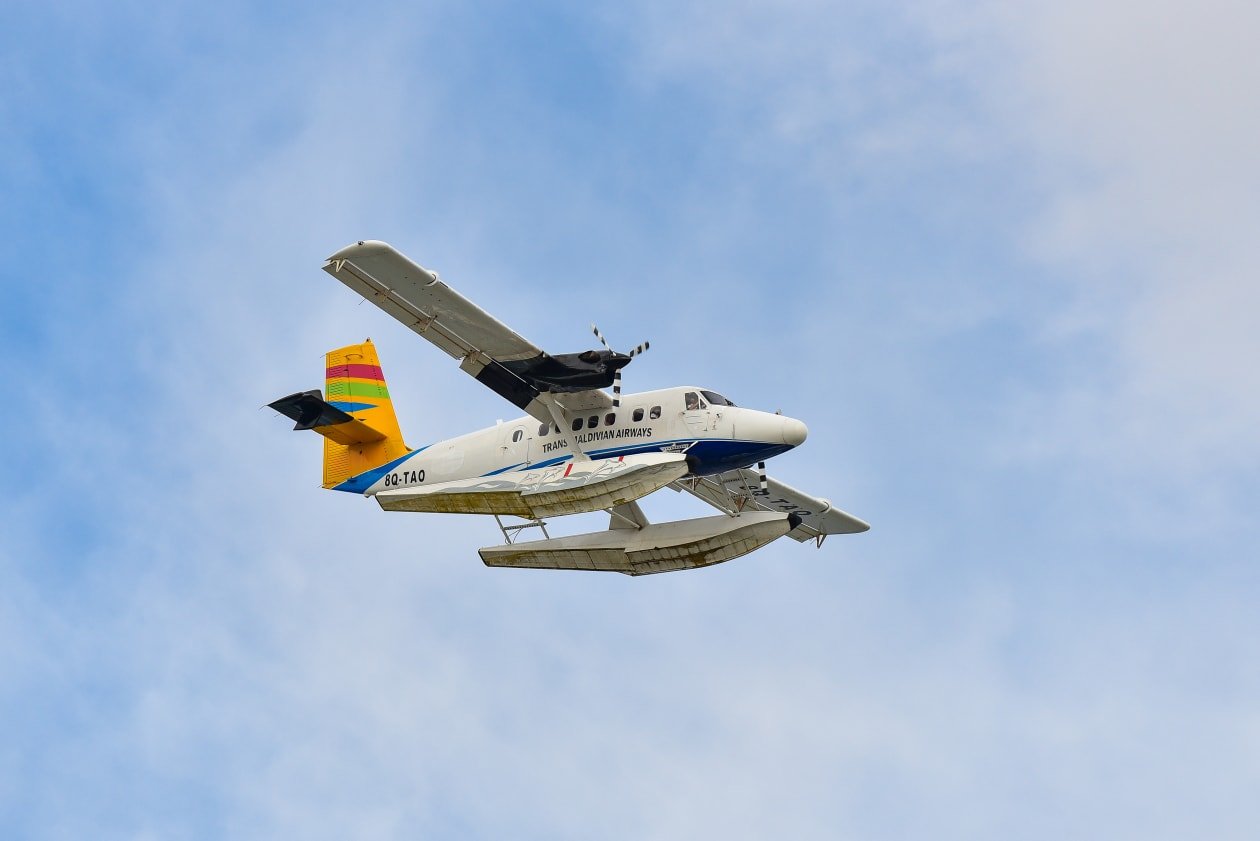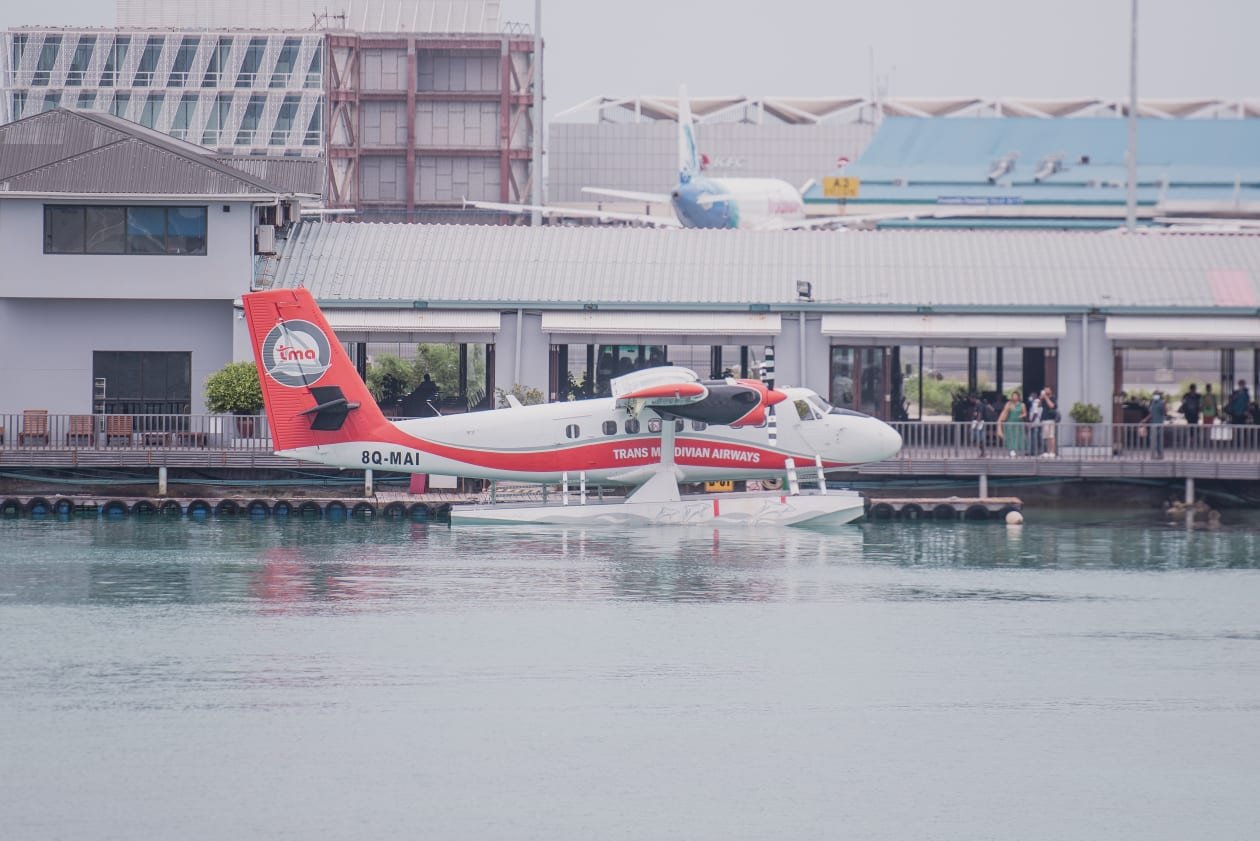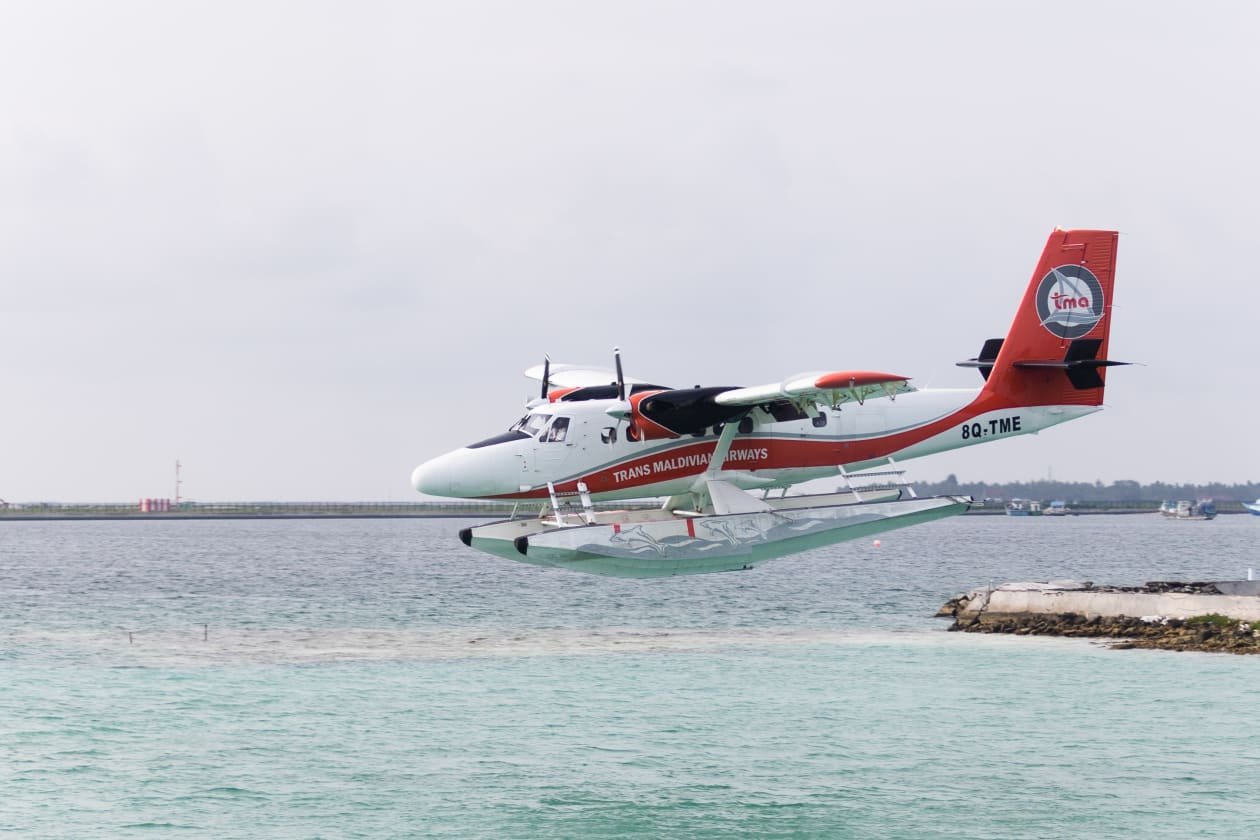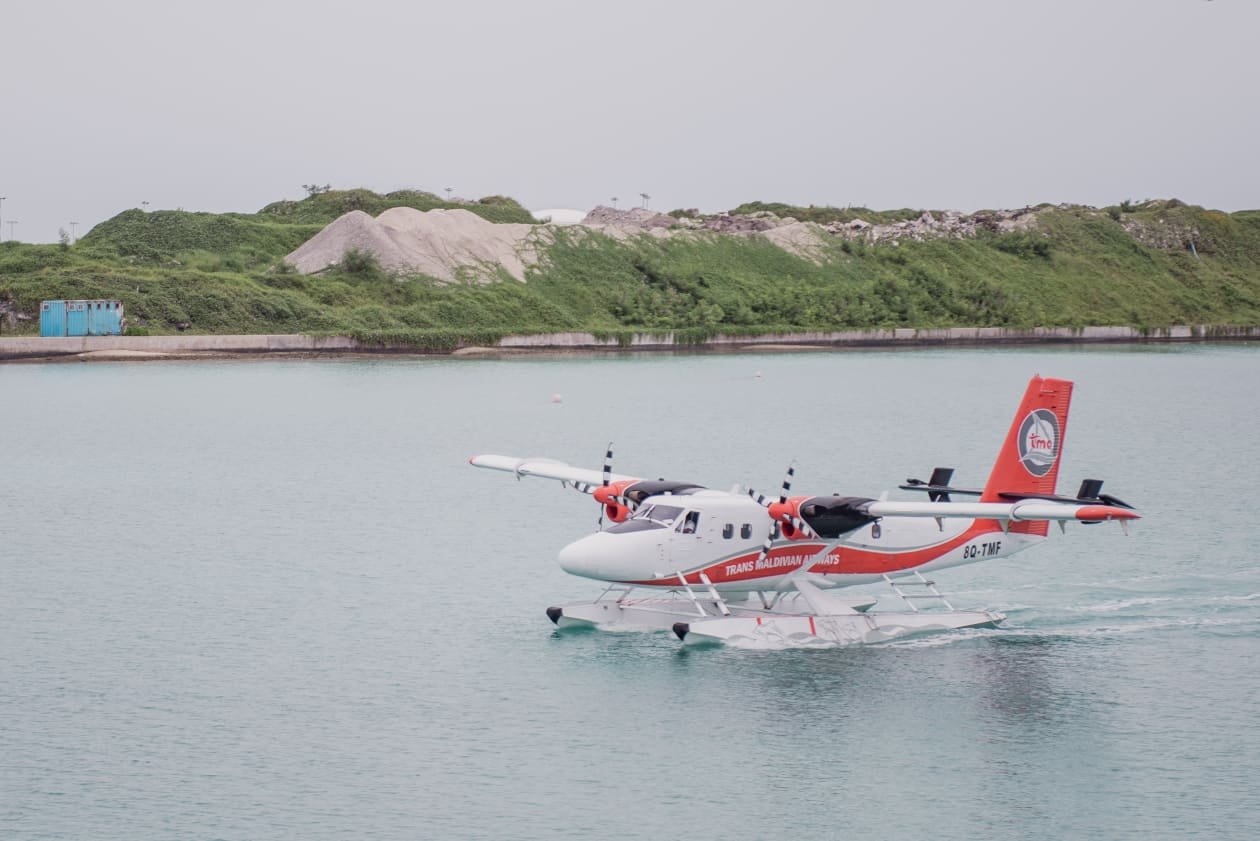
Trans Maldivian Airways (TMA), operator of the world’s largest seaplane fleet, has decided to pay employee salaries in Maldivian Rufiyaa instead of US dollars starting this month, amid a worsening foreign currency crisis in the country.
Employees confirmed to Adhadhu that beginning June, salaries will be deposited in Rufiyaa at the prevailing bank exchange rate equivalent to their former dollar pay. TMA has not yet made any official announcement on the matter.
The move comes in the wake of a government mandate requiring tourism and dollar-earning businesses to convert a significant portion of their foreign currency earnings to local banks. Under the new regulation, the Maldives Monetary Authority (MMA) now claims 90% of the foreign currency converted through banks, up from the previous 60%.
While the conversion may appear neutral at bank rates, employees stand to lose income in real terms. Many workers previously converted their dollar salaries on the black market, where the exchange rate is currently around MVR 19.50 per dollar. At this rate, the switch to rufiyaa-based salaries represents a loss of approximately MVR 400 for every USD 100.
TMA, which employs over 1,000 staff including pilots, ground crew, and administrative workers, is among the largest private employers in the tourism transportation sector. The company also hires a large number of expatriate workers, many of whom rely on dollar earnings to remit money abroad.
Several resorts have already followed suit by shifting salaries, and in some cases, service charge payments, from US dollars to rufiyaa.
Businesses are warning that the new rules are worsening the existing dollar shortage. Despite black market prices nearing MVR 20 per dollar, many importers say they are still unable to secure sufficient foreign currency through official or unofficial channels, hampering operations and imports.