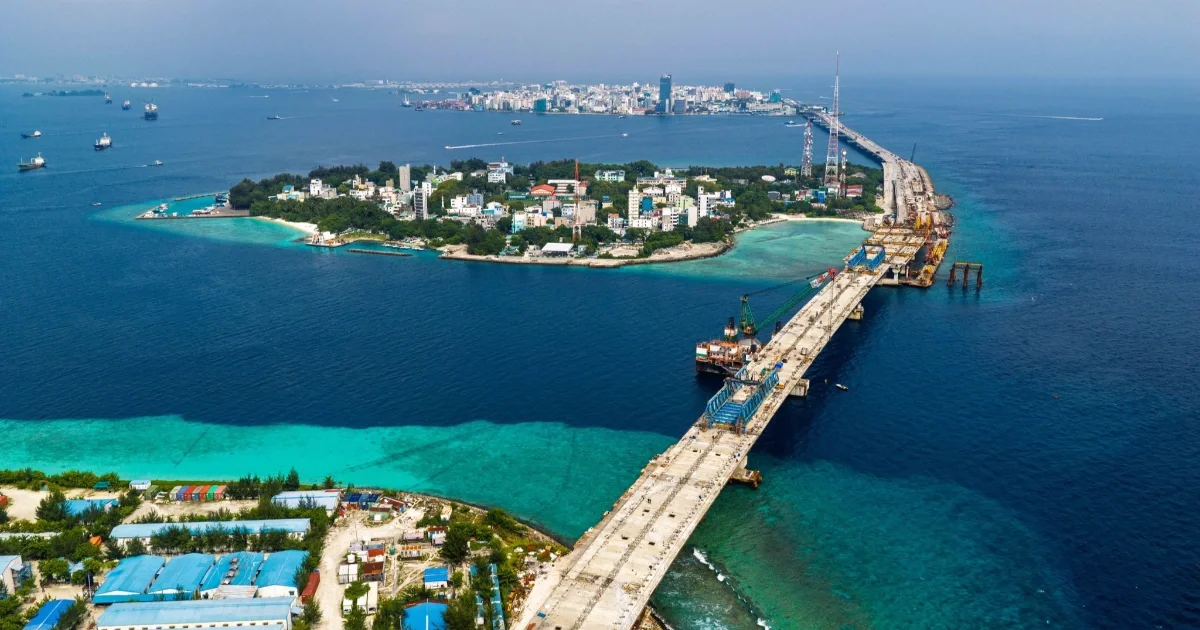
Members of Parliament have said that the government has yet to submit the Real Estate Bill to the Majlis, despite previous assurances that the legislation would be enacted before signing the agreement to grant 500 hectares of land in Rasmalé to the UAE-based Eagle Hills company.
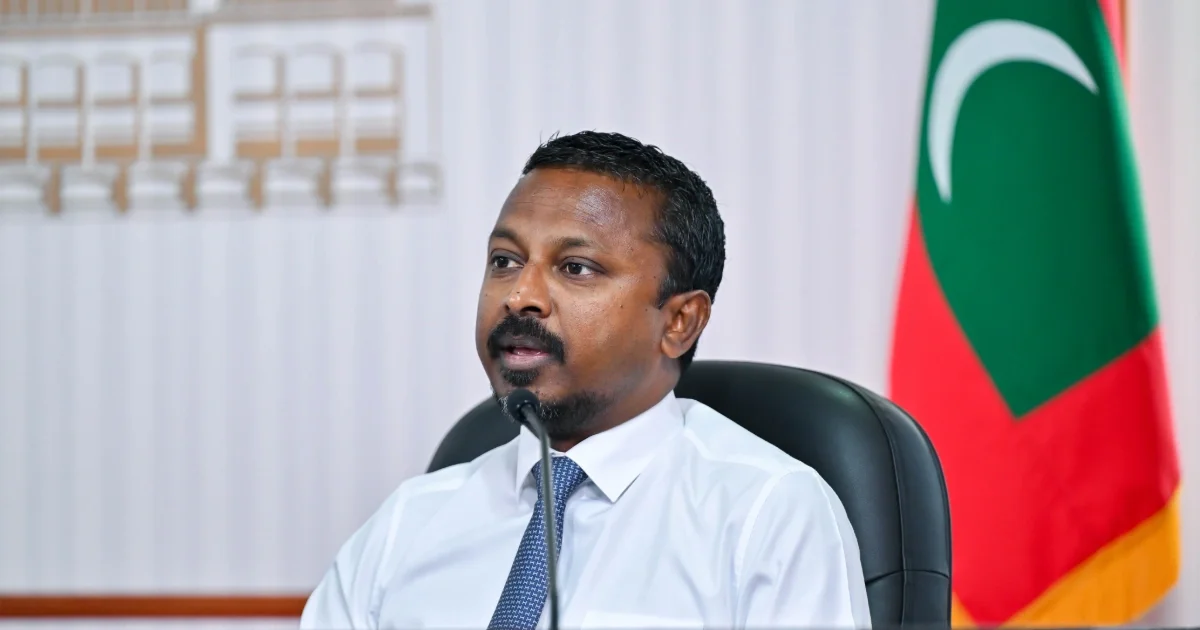
Speaking to Adhadhu, Kendhoo MP Mauroof Zakir confirmed that the Real Estate Bill, which the government claimed would be established before the Rasmalé deal, has not been tabled in Parliament.
"There is no news of it yet; it has not been sent to the Majlis," Mauroof said.
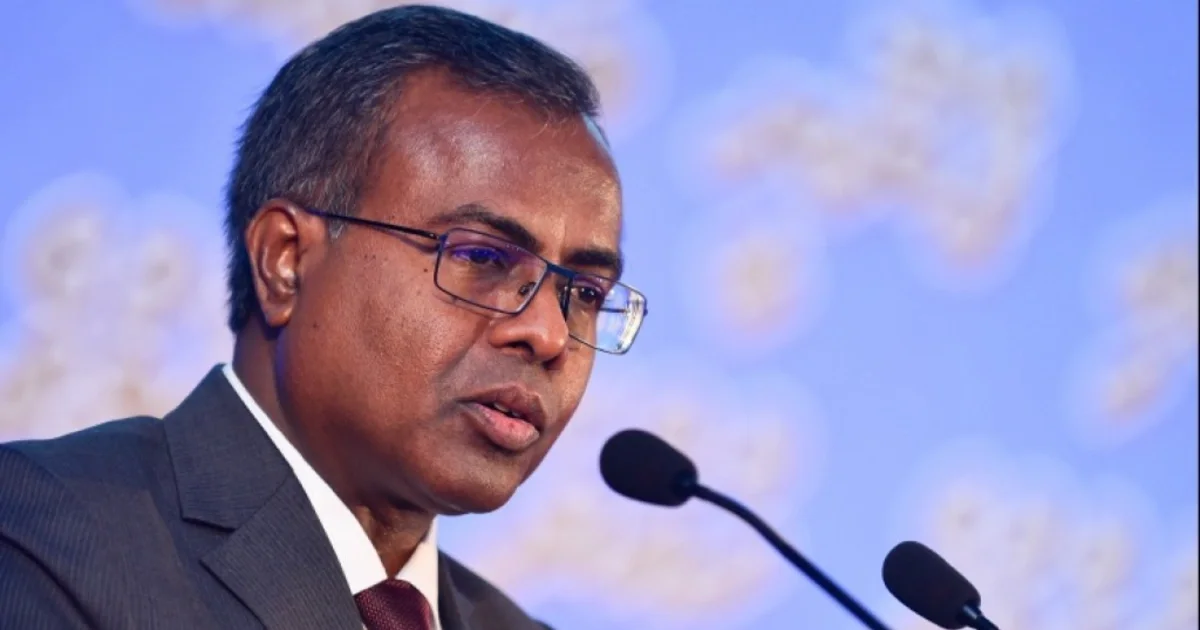
Attorney General (AG) Ahmed Usham revealed on September 29 that the government intended to draft new legislation to facilitate the Rasmalé project, as current Maldivian laws do not provide the necessary legal framework for the undertaking.
A month later, last Wednesday night, President Mohamed Muizzu announced that two weeks would be granted for public consultation on the proposed bill.
The government has set a target to sign the permanent agreement for Rasmalé by November 17. Muizzu communicated this deadline to cabinet ministers and MPs during a meeting held at the official residence, Mulee'aage, last Tuesday.
While the government aims to finalise the permanent agreement, the Commercial Terms Agreement signed with Eagle Hills on September 21 has not yet been disclosed to the public.
The Constitution of the Maldives allows for land to be granted to foreigners for periods not exceeding 99 years; however, no specific enabling legislation currently exists. Under the Tourism Act, land can be leased for 50 years, with the possibility of a 49-year extension.
Under the Special Economic Zones (SEZ) Act, land can be leased to foreign entities for a maximum of 66 years, with a potential extension of 33 years.
The government has agreed to hand over the land in Rasmalé without charging an acquisition fee or land rent. The state’s only projected earnings from the deal are 10 percent of the revenue from the sale of commercial properties and 4 percent of the revenue from apartment sales within the development.