The Maldives parliament on Wednesday voted to send a government bill to committee that would let foreign buyers renew property leases again and again, getting around the constitution’s 99-year cap on leasing land to foreigners.
Lawmakers voted 42 to 13 to accept the Real Estate Business Bill, submitted by Henveiru North MP Ahmed Aifan on behalf of the government. All 13 votes against came from members of the opposition Maldivian Democratic Party (MDP). The Committee on National Development and Heritage will now review the bill.
Under Article 89, foreigners could buy leaseholds on apartments and other property in designated zones for up to 99 years. When a foreigner buys from a master developer, they would not take over the time left on the developer’s lease. The developer would instead hand that lease back to the state, and the authority would have to issue a new 99-year lease directly to the buyer.
Article 78(b) says these leases would stay valid after the master developer’s own lease ends. Buyers could resell the property to third parties and mortgage it with banks.
Because a new 99-year term would start on every sale, foreign buyers could in effect hold land indefinitely. The government says the bill will bring much-needed relief to the real estate market.
Clause covers Rasmalé deal
Article 159(a) says that any project processed as an unsolicited proposal under the Public Finance Regulation before the law takes effect will be treated as having met all the conditions for a master development agreement.
That clause would bring the government’s earlier dealings with Abu Dhabi-based developer Eagle Hills under the new law. No other project benefits from the exemption.
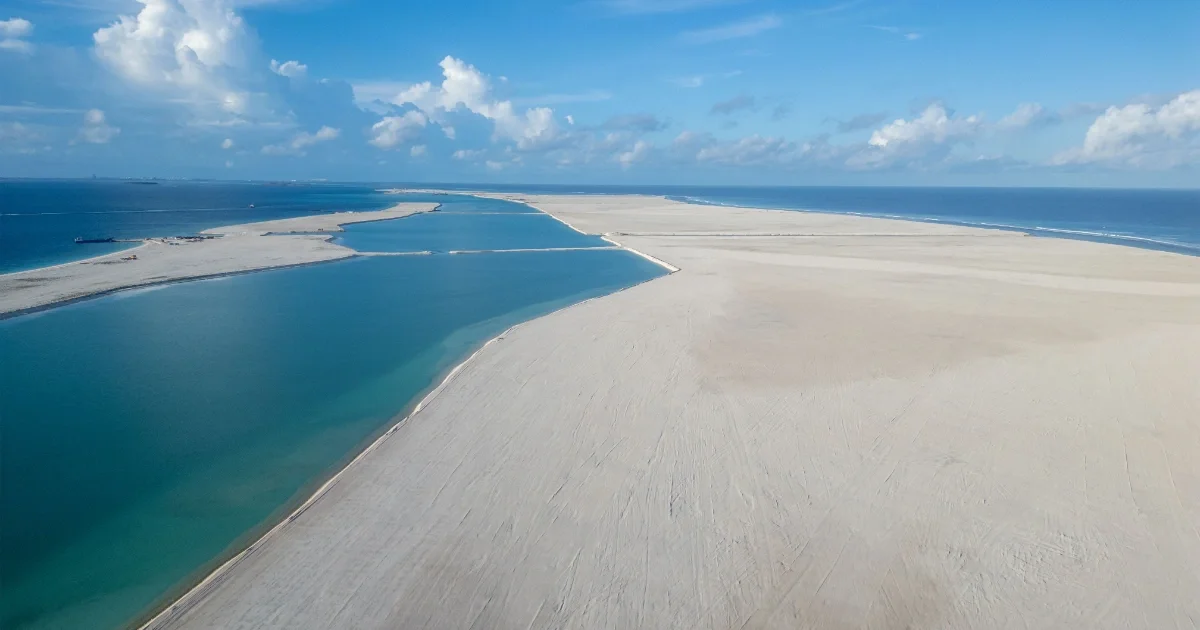
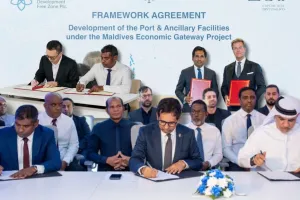
Eagle Hills signed a commercial terms agreement with the government in September for a $12 billion waterfront and marina project in Ras Male. At the time, the developer said a new lease of up to 99 years would begin each time a property changed hands through sale or inheritance.
Article 84 sets out three ways the state can assign real estate zones. It can call for competitive public proposals, award a zone directly to the party it considers best able to carry out government policy, or give it to a state-owned enterprise.
If the government awards a future project through a direct proposal, it must share information with the Anti-Corruption Commission and the Auditor General’s Office. The bill does not say what information it must share or how much.
$1 billion threshold for integrated zones
Articles 76 and 78 say integrated zones must cover at least 200 hectares and involve at least $1 billion in investment.
The state can lease a zone to a master developer for up to 99 years. In return, it must receive either a one-time upfront premium or at least 10% of the value of properties sold and leased. Only the President can designate these zones, acting on the minister’s advice.
Master developers can be fully foreign-owned or Maldivian companies, but they must show financial stability and the infrastructure and technical capacity to carry out the project.
Article 90 bars developers from selling any property in a zone to foreigners or the public until they have built certain facilities. These include a tertiary-level hospital, enough mosques, and commercial and leisure facilities. Developers must also set up transport inside the zone and links to the rest of the country before sales start.