Government ministers, the Commissioner General of Taxation, and key tourism industry stakeholders held a high-level meeting yesterday to discuss legislative amendments regarding taxes on the profit margins of foreign tour operators and travel agents selling Maldivian tourism products.
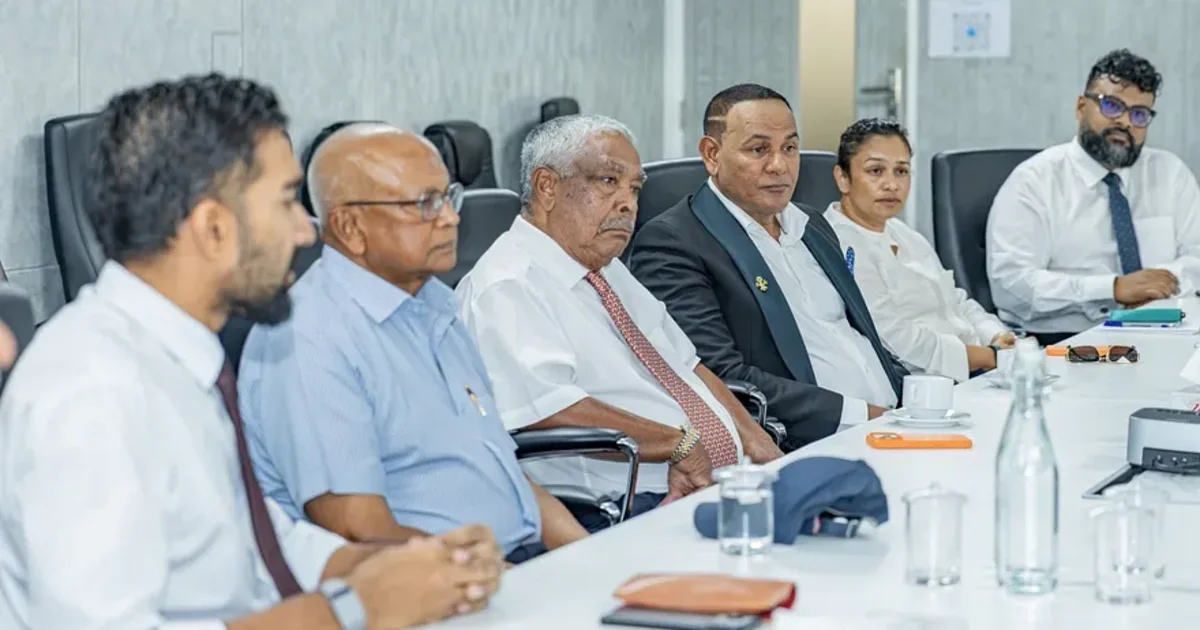
According to the government, the meeting held at Velanaage was a consultative session aimed at addressing challenges within the tourism sector.
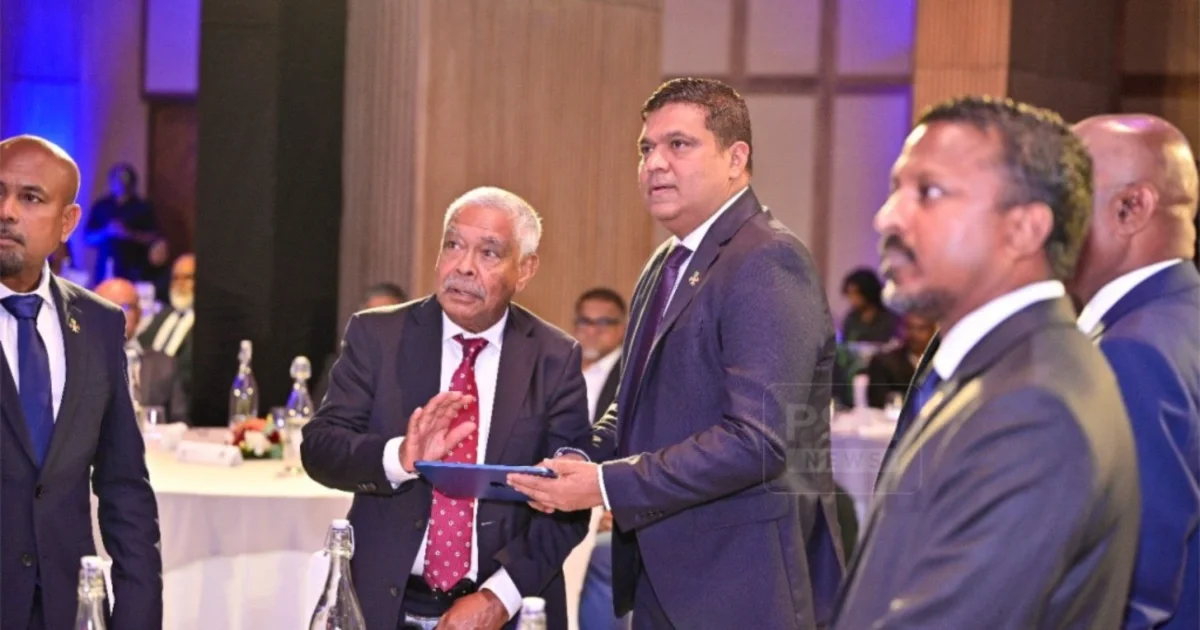
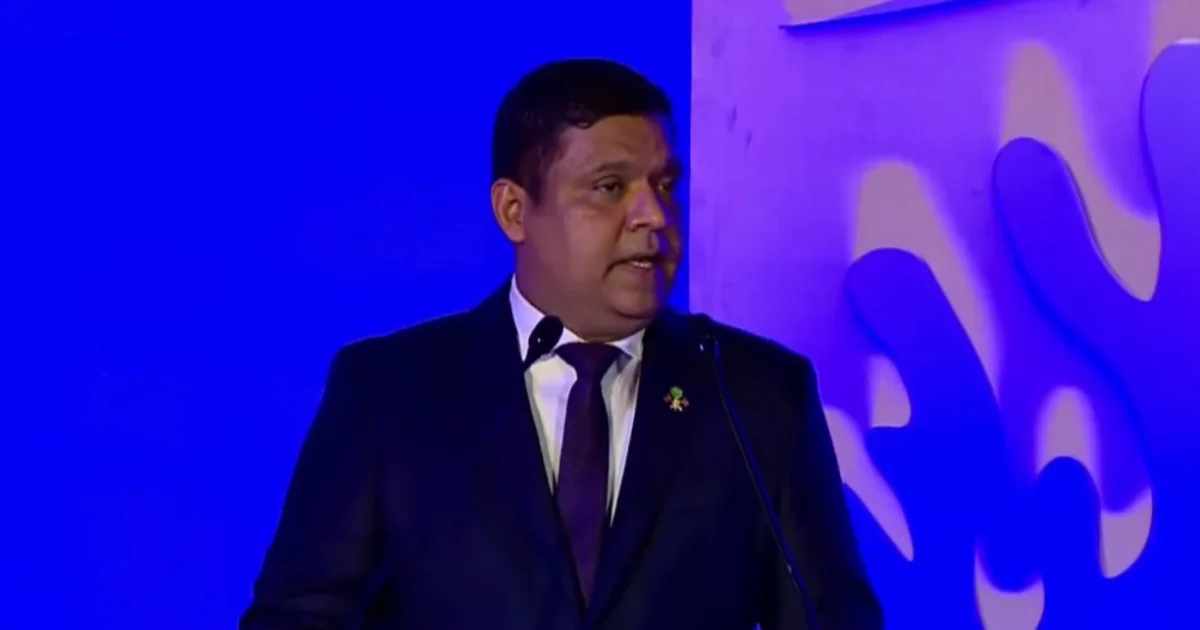
The government delegation included Finance Minister Hassan Zareer, Tourism Minister Mohamed Ameen, Economic Minister Mohamed Saeed, Attorney General (AG) Ahmed Usham, and Commissioner General of Taxation Fathimath Ameezaa.
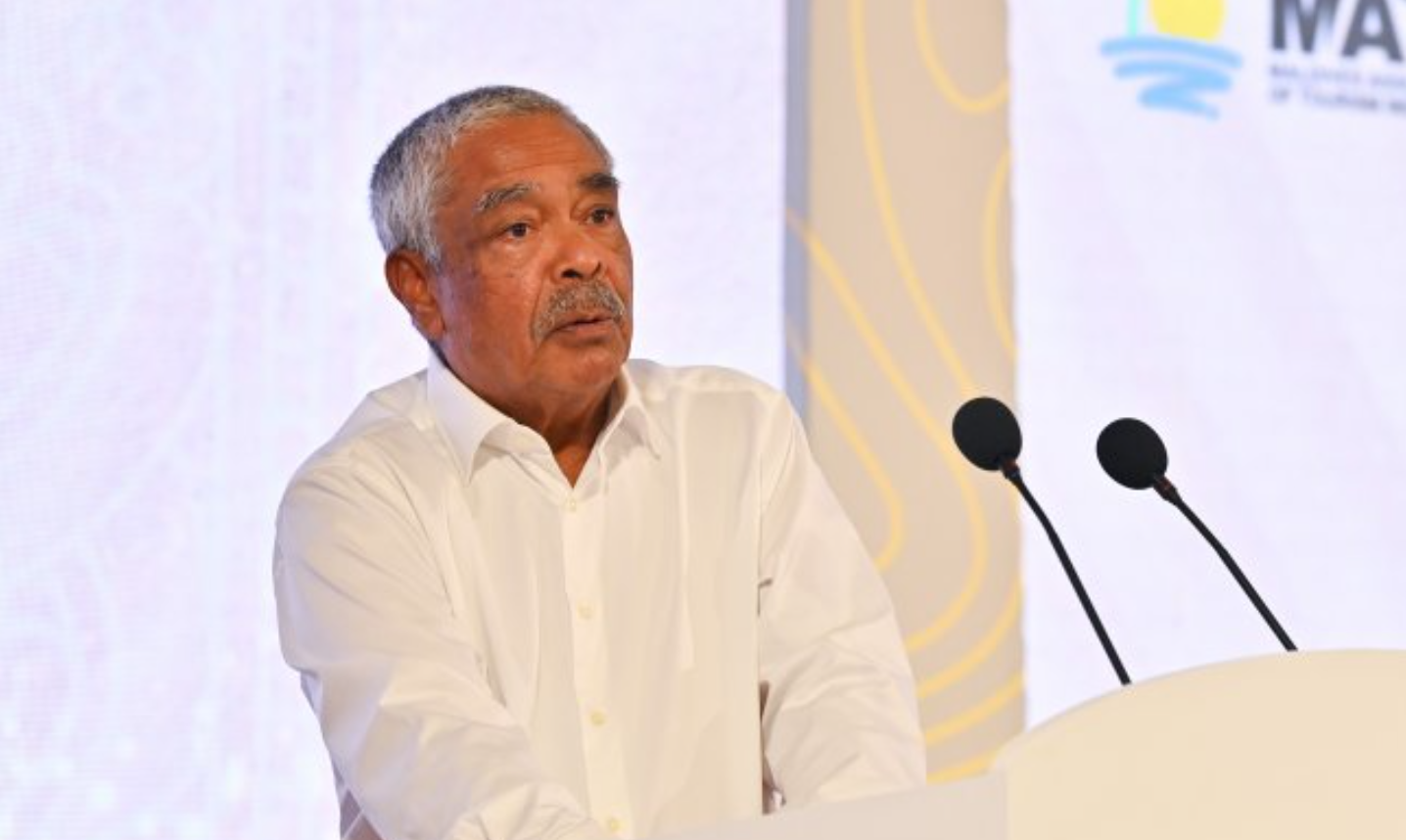
The tourism industry was represented by prominent veterans, including Crown Company Chairperson Hussain Afeef (Champa Afeef), Sun Siyam Group Chairman Ahmed Siyam, and Villa Group Managing Director Siyad Qasim, alongside representatives from the Guesthouse Association of Maldives (GAM) and the Maldives Association of Travel Agents and Tour Operators (MATATO).
While the Tourism Ministry reported to the media that the meeting concluded with an agreement on key objectives based on industry expert proposals, some attendees informed Adhadhu that specific details regarding the legislative changes were not shared during the session.
The consultation follows the government's decision to amend the law to levy Tourism Goods and Services Tax (TGST) on booking platforms, tour operators, and travel agents facilitating bookings for tourists in the Maldives.
Under the amendments to the tax laws passed last month, regulations have been established to collect GST from offshore booking platforms and services provided by foreign tour operators and travel agents. The government estimates that these tax measures will generate an additional MVR 1.6 billion in annual state revenue.
However, the changes have met with backlash from tourism businesses and international tour operators. Travel associations in major source markets have expressed concern, with some European tour operators suspending bookings to the Maldives in protest.
International businesses argue that while they already comply with all existing Maldivian taxes, being required to pay taxes to the Maldivian government on transactions conducted within their home countries is unacceptable. Furthermore, businesses have raised serious concerns over the rushed implementation of these taxes without an adequate notice period.