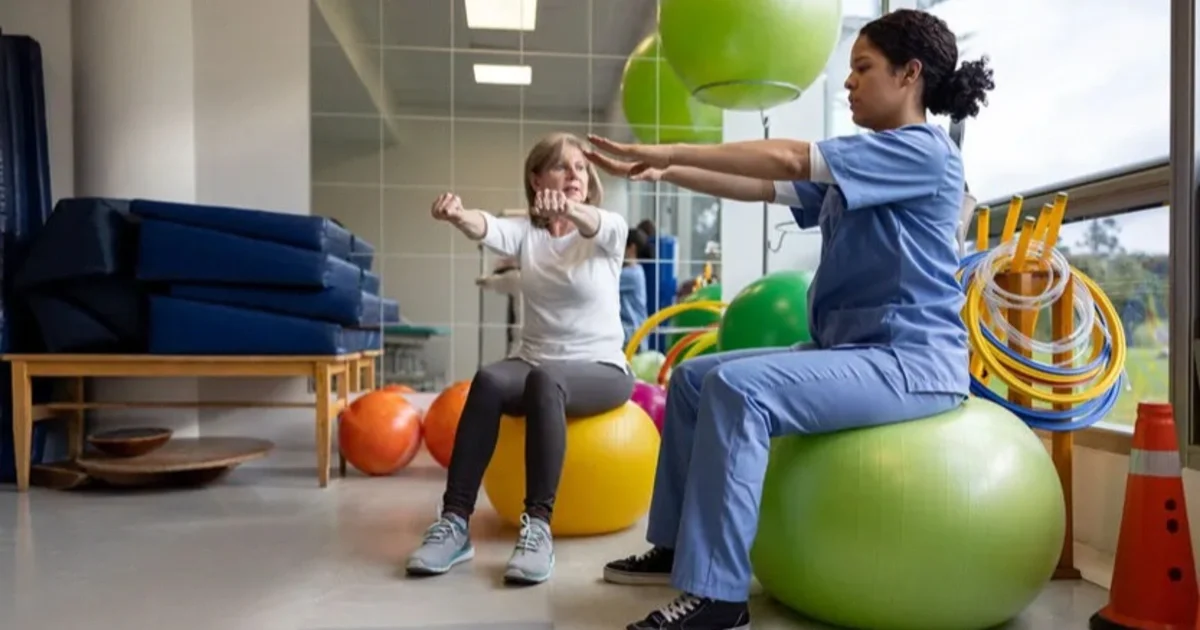
When people hear the term "Occupational Therapy," many assume it refers solely to treatment aimed at returning an individual to the workplace. However, in this field, "occupation" refers to all the essential activities of daily life. This includes self-care tasks such as dressing and eating, academic skills like writing and learning, as well as employment and active participation in social and family life.
Occupational therapy plays a vital role in helping individuals regain skills, develop new ones, and adapt to their circumstances when illness, injury, or special needs hinder their ability to perform these essential tasks independently.
What are the primary focuses of Occupational Therapy?
The core objective of occupational therapy is to enhance an individual's ability to perform the activities they need and want to do in their daily lives without depending on others. Through this therapy, stroke survivors receive training to dress and feed themselves, and to use affected limbs to navigate daily life independently. For the elderly, it facilitates the safe and independent performance of daily routines. For children, the therapy provides professional support for motor development, handwriting, personal hygiene, and full participation in play and educational activities.
Mastering simple tasks, such as holding a spoon or buttoning a shirt, represents a significant milestone in rebuilding self-confidence and improving quality of life. In essence, occupational therapy is a treatment that develops the skills necessary for daily chores, work, education, and social or recreational engagement. It empowers individuals to play a constructive role in society—physically, mentally, socially, and economically.
What is the difference between Physiotherapy and Occupational Therapy?
While occupational therapy and physiotherapy often work hand-in-hand, their objectives differ:
- Physiotherapy: Focuses on body movement, muscle strengthening, mobility, and maintaining physical balance.
- Occupational Therapy: Focuses on overcoming barriers to daily living caused by physical, cognitive, or developmental challenges.
For example, while physiotherapy helps a stroke patient improve their walking and balance, occupational therapy helps them regain the use of their hands for dressing, eating, and managing household tasks independently.
Assisting recovery from illness or injury
A stroke or various physical injuries can suddenly strip a person of their ability to perform routine tasks. In such cases, individuals may face muscle weakness, coordination difficulties, and neurological impacts such as memory loss or attention deficits. Occupational therapy provides specialized training to redevelop these skills and introduces new techniques and assistive tools to simplify daily tasks. Regaining the ability to meet one's own basic needs without assistance is a powerful way to restore self-confidence.
Occupational Therapy for children
Occupational therapy is also available for children whose daily activities are hindered by developmental challenges. Tailored to each child's specific needs, this therapy assists in strengthening hand movements, improving handwriting, mastering self-care, and developing sensory integration skills to better participate in sports and school activities. The goal is to identify the factors hindering a child's progress and empower them to act with initiative rather than relying on others.
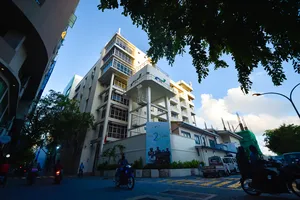
Occupational Therapy services at Tree Top Hospital
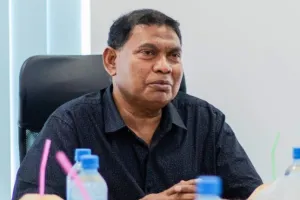
Ramesh Babu, Chief Rehabilitative Therapist at Tree Top Hospital, stated that specialised occupational therapy is a key component of the hospital’s rehabilitation services. This treatment is designed to help children and adults who face mobility difficulties due to illness or injury, as well as those with learning and developmental challenges, to achieve independence in their daily lives.
He noted that these services are delivered through comprehensive rehabilitation plans tailored to the patient’s needs, often integrating physiotherapy, speech therapy, and other relevant specialities. The hospital’s goal is to prioritise patient needs through a modern and holistic care system that enhances independence and capability. He further added that occupational therapy and rehabilitation services are conveniently available at both Tree Top Hospital in Hulhumalé and the TTH Clinic in Malé. Appointments can be scheduled by contacting Tree Top Hospital at 3351610.