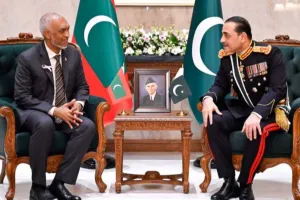
The President's Office has said that President Mohamed Muizzu rejected the Human Organ Transplant Bill because it included provisions allowing prisoners to donate organs.
The President returned the bill to Parliament without ratification on May 31. However, the reasons for the decision were not disclosed at that time.
In a letter addressed to Parliament, Muizzu expressed concerns regarding amendments introduced by the legislative body that would permit detainees to serve as organ donors.
"Given that individuals in custody are in a unique situation where their personal autonomy and freedom are restricted, it is not considered feasible to ensure that their consent for something as significant as organ donation is given voluntarily and entirely free from any form of coercion," the letter read.
During today's sitting, Parliament decided to refer the Human Organ Transplant Bill back to the relevant committee for further review.
The bill was passed by Parliament on May 14 and forwarded to the President's Office for ratification on May 19.
The Human Organ Transplant Bill was drafted to establish a legal framework for authorizing such medical procedures. It also aims to set standards and licensing requirements for facilities performing organ transplants.
Furthermore, the legislation outlines the rights of both patients receiving services from transplant centers and the healthcare providers delivering those services.