The World Health Organization (WHO) has advised the Maldivian government to lower tobacco taxes, which were hiked by President Mohamed Muizzu’s administration without research or national consultation.
In November 2024, the government increased the specific duty on cigarettes and bidis from three Rufiyaa to eight Rufiyaa. Additionally, the ad valorem tax rate on tobacco was doubled from 50 percent to 100 percent.
This created a black market for illicit tobacco, with counterfeit cigarettes becoming widespread across the Maldives. These counterfeit products are currently available at prices lower than the original retail price of cigarettes before the tax hike.
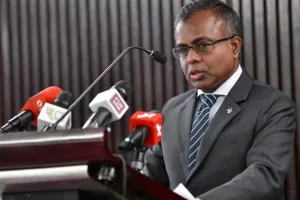
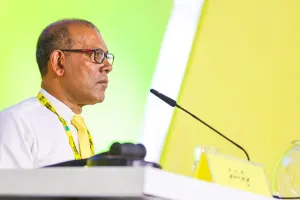
Speaking at a press conference held to mark World No Tobacco Day, Home Minister Ali Ihusaan said that based on relevant studies, the WHO has recommended reducing the specific tobacco tax from eight Rufiyaa to four Rufiyaa.
"Based on some studies available to us now, specifically a study conducted by the WHO, one of the recommended duty rates for the Maldives is to set the specific rate at four Rufiyaa for the year 2026," the Minister said.
Ihusaan noted that the government would make a final decision on the matter after deliberating on the WHO’s recommendation.
"This is a rate we are currently considering. We will hold discussions with all relevant agencies and stakeholders involved in this decision-making process. If we all reach a consensus that we must move to that rate, the government will submit that recommendation to the People’s Majlis," Ihusaan added.
In addition to increasing tobacco taxes, the government has also implemented a ban on vaping. This move has led many individuals who had previously quit smoking to return to cigarettes. Similar to the tax hike, the government did not conduct any formal research prior to banning vapes.