Bank of Maldives (BML) has abruptly amended its card terms and conditions to include consent for accessing Maldives Immigration data.
The changes were made to the "Disclosure of Information" clause within the terms and conditions for BML debit and credit cards.
The clause previously stated that the bank reserved the right to verify the authenticity of any information provided by the cardholder through any means or sources deemed appropriate by the bank.
Under the revised terms, a new provision has been added specifying that the cardholder grants the bank full authority to obtain and verify their personal information from government agencies, including the ID Card Unit and the Maldives Immigration.

BML collaborates with Immigration to stop misuse of cards overseas
Bank of Maldives has partnered with Immigration to restrict foreign card transactions to only when cardholders are physically abroad. This measure aims to curb currency misuse amid a dollar shortage. To support those studying overseas, a new "Student Card" with a $1,200 monthly limit has been introduced to replace the use of parents' cards.
The amendment to the disclosure clause indicates that, in addition to consenting to data retrieval from authorities like Immigration, customers must also agree to the "continuous" monitoring of their accounts and transactions based on this information. Previously, the language suggested such monitoring was tied to specific events, such as card renewals.
The stated purposes for this continuous monitoring include due diligence, regulatory compliance, fraud prevention, risk management, and the ongoing oversight of the cardholder’s account and transactions.

While BML implemented these changes without direct communication to customers, the existing terms grant the bank the discretion to amend conditions. Customers who do not agree to the terms have the option to cease using their cards and return them to the bank.
BML’s move comes amid a debate regarding the sharing of data by the Maldives Immigration. Critics argue that sharing an individual's private data with a third party without consent is a significant violation of privacy and potentially illegal.
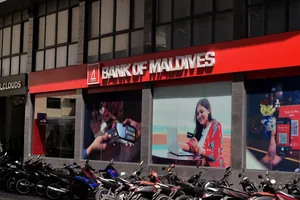
BML sparks privacy outcry over Immigration data access
The Bank of Maldives is facing a backlash after integrating with Maldives Immigration to track travel data without consent. This measure, aimed at curbing foreign currency limit misuse, allows the bank to restrict transactions until a customer leaves the country. Critics argue the move is a major invasion of personal privacy.
According to information obtained by Adhadhu, the data exchange system between BML and Immigration is designed so that when a card is used at an overseas ATM or POS machine, the bank’s system sends a query to Immigration to verify the cardholder's location. Immigration then confirms whether the individual is currently inside or outside the Maldives.
BML has taken this step months after observing a trend where individuals take multiple cards abroad to circumvent limits. The measure follows a further tightening of the dollar supply, exacerbated by the ongoing conflict involving Iran.