A Civil Court case that commenced after the Supreme Court ordered that Dheebaja was owed compensation for the government's termination of a contract has been dismissed.
An agreement made with Dheebaja to provide ferry services in the northern province during former President Mohamed Nasheed's government was canceled in 2013 during former President Dr. Mohamed Waheed's government.
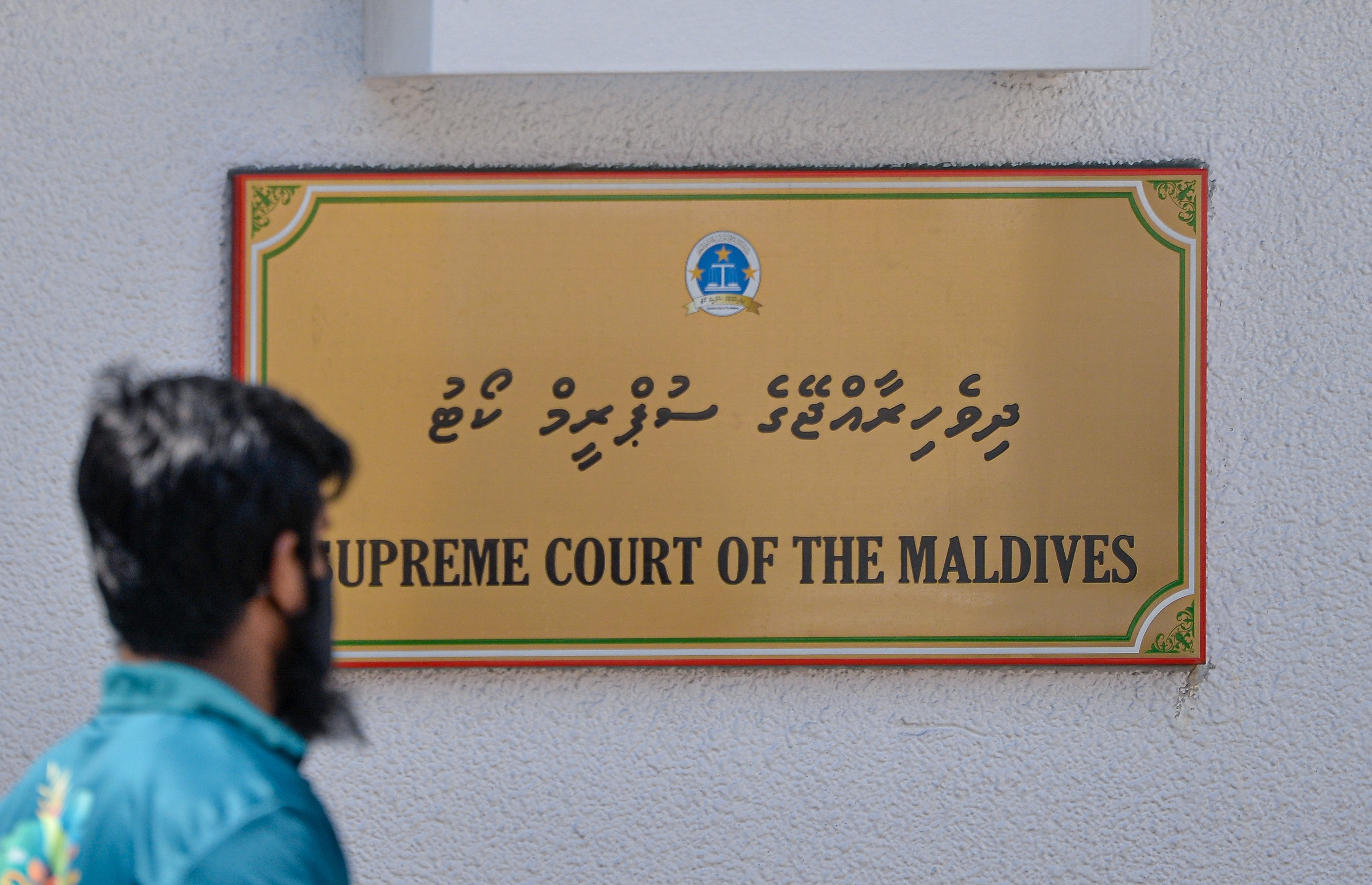
After the appeal stages concluded in the case, the Supreme Court ordered a retrial on October 9, 2022.
The Civil Court then began hearings and shared a trial schedule with both parties.
But Dheebaja's withdrawal of the lawsuit was revealed in the Civil Court's judgment after the case concluded.
According to the judgment delivered by Civil Court Judge Ahmed Abdul Matheen, Dheebaja submitted documents for withdrawal on September 21.
As the request for withdrawal did not note any intention for resubmitting the case, the judgment stated that the case could not proceed any further.
Dheebaja case history
The Dheebaja case gained notoriety when the Supreme Court granted a large sum as compensation to the company based on a procedural point.
The judgment had been delivered by the old Supreme Court bench.
The Supreme Court declared that Dheebaja was owed MVR 348 million on the grounds that the High Court had accepted and heard an appeal after the appeal period lapsed.
The state appealed the case to the High Court on July 22, 2015. But based on the 90-day appeal period, the deadline for submitting the appeal was March 12, 2015.
The procedure followed at the time included a 90-day period for appealing lower court decisions.
Parliament also considered the case amid concern over the compensation granted by the Supreme Court. A motion was passed to ask the Attorney General to seek a review of the Dheebaja judgment.
The motion was passed after the Attorney General said the state could not win the case even with a review. But the Attorney General changed his stand and filed for a review.
The Supreme Court overturned the previous judgment after the state sought a review.
In some circumstances, the High Court has the discretion to accept cases after the appeal period expires, the Supreme Court noted.
The Supreme Court also ruled that the appeal period must be counted after the case report is released.
As such, the Supreme Court decided to revert to the High Court's decision that Dheebaja was not owed compensation, a judgment that had been overturned by the old Supreme Court bench.
But as years had passed since the judgment, the Supreme Court ruled that it would be fair to allow it to be appealed to the apex court for a second time.
If the case was appealed, the court would hear it and deliver a judgment, the Supreme Court judgment stated.
The Supreme Court heard the case for the third time when Dheebaja was allowed to resubmit its appeal.
In its third judgment, the Supreme Court ruled that Dheebaja was owed compensation as the agreement had been canceled unlawfully.
However, as the Civil Court had not conducted a proper valuation of the sum owed as compensation, the Supreme Court ordered a retrial.