Supreme Court accepts constitutional case seeking to stop referendum

Mar 23, 2026, 11:00 AM
Photo: Adhadhu

Photo: Adhadhu

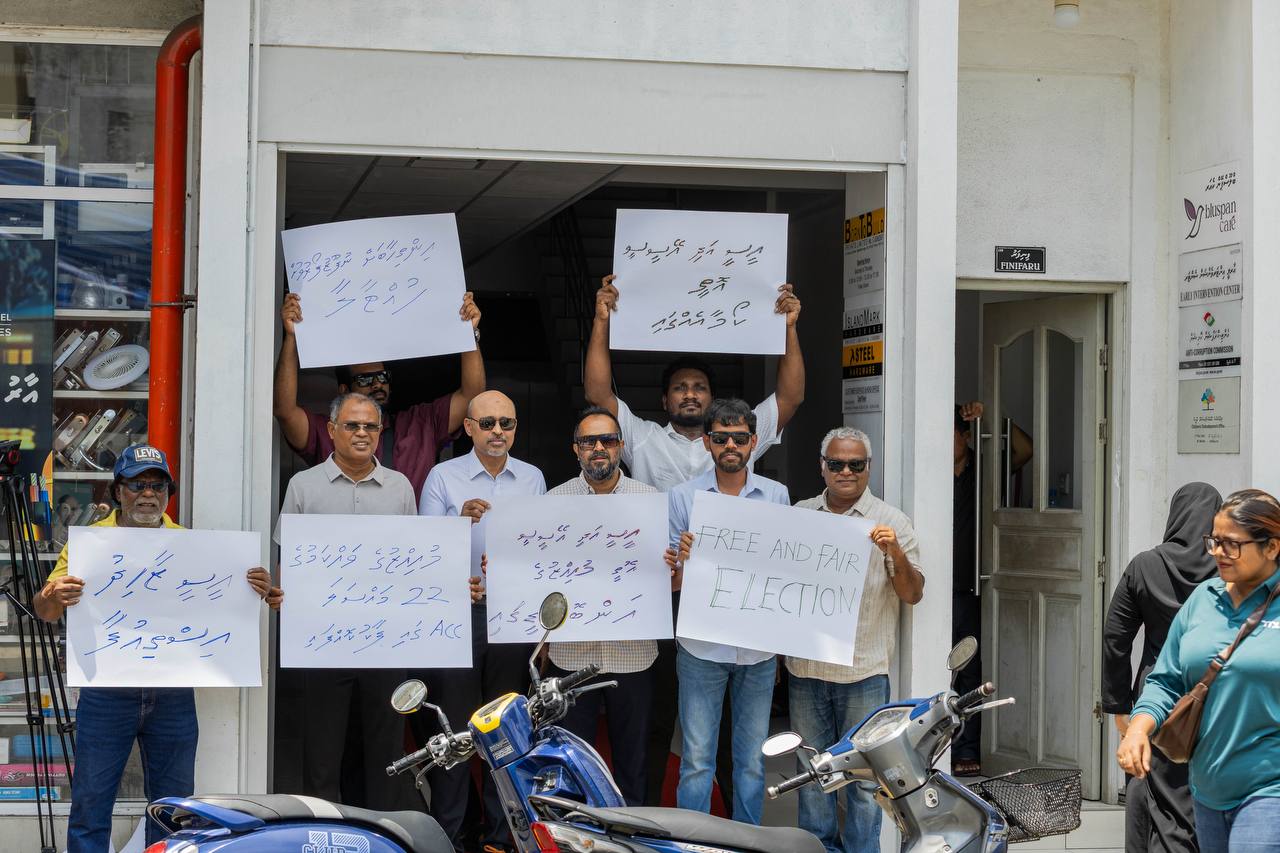
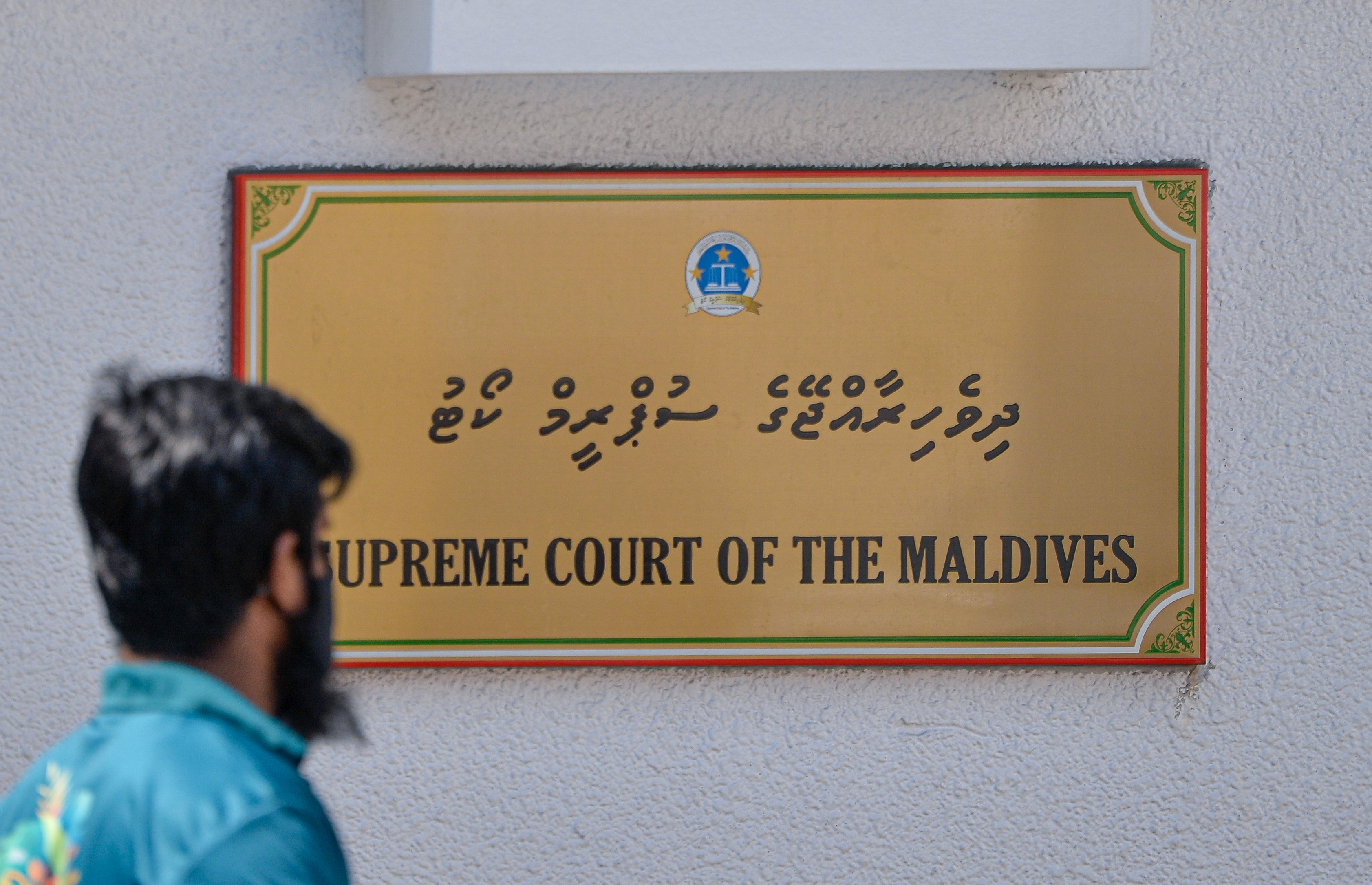
The Supreme Court today accepted a constitutional case seeking to stop the April 4 referendum to merge the presidential and parliamentary elections.

Two constitutional cases were filed in the Supreme Court on March 17. The case to stop the referendum was filed by lawyers Ibrahim Shiyam and Aik Ahmed Easa.

The case was registered in the Supreme Court today (March 23). The case alleges that the question in the presidential decree and the Elections Commission's (EC) announcement go against the constitution.

"The question of whether to approve the entire bill is designed to obscure the real change to the constitution. Since this question is not designed to meet the requirements of Article 262(b) of the constitution, the Supreme Court must declare that the referendum scheduled for April 4 should not be held,” the case documents read.

Meanwhile, the second case, involving the President’s Office, was filed by former MP Ali Hussain. The Supreme Court has not yet decided whether to accept the case.

He asked the Supreme Court to declare that the Eighth Amendment Bill to the Constitution was invalid and that a referendum was in violation of Article 264 of the Constitution.

The referendum will be held on April 4, along with the local council elections. A total of 294,937 people are eligible to vote.

Comments

Read More

Latest News

Suspect arrested for repeated public nuisance escapes facility

Ahmed Fairish, a man arrested for public nuisance and harassment, has escaped from a drug treatment facility in Himmafushi. He was transferred there under police supervision following his recent arrest on October 17. Authorities are currently searching for the suspect, who has a history of criminal behavior and making death threats.

PNC secures both seats in election for LGA board

The ruling People’s National Congress (PNC) won both seats in the election for the Local Government Authority board. PNC candidates Ali Ahmed and Maryam Zeena defeated their MDP rivals to represent local councils and Women’s Development Committees. The election occurred alongside the unopposed appointment of Kulhudhuffushi Mayor Mohamed Athif.

"MDP will end Rasmale' deal if it goes without consultation"

MDP Chairperson Fayyaz Ismail warned that a future MDP government will terminate the Rasmalé project if it proceeds without public consultation. He opposes granting land to UAE’s Eagle Hills indefinitely, citing concerns over national sovereignty and the lack of acquisition costs. Fayyaz urged President Muizzu to allow for public debate.

Milestone as Thilamale Bridge connects Villimale and Gulhifalhu

The Thilamale Bridge has reached a major milestone by physically connecting Villimale and Gulhifalhu, creating a continuous link from Male'. Developed by Afcons Infrastructure, the project is now slated for completion in September 2026. Construction progressed through multiple phases despite political disputes over the project's timeline.

Sukuk or bond issue listed in budget for 2027

The government plans to issue a $175 million international bond or sukuk in 2027 to manage foreign debt, part of a $675 million three-year borrowing strategy. Despite past failures to enter the market and a "junk" credit rating, officials hope this move will ease financial pressure following a major reserve drawdown for previous repayments.

Government to deploy an AI-powered smart traffic system in Male'

The Maldives government has included an AI-powered "Smart Traffic Enforcement System" in next year’s budget to tackle congestion in Malé. Part of the "Maldives 2.0" policy, the initiative aims to modernize traffic monitoring through digitalization. The plan also includes a new data center and digital ID system to improve public services.

"President does not have authority to allow non-Muslim residency"

Former Chief Justice Dr. Ahmed Abdulla Didi argues that the President lacks the constitutional authority to grant long-term residency to non-Muslims in Rasmalé. He asserts that such sovereign power belongs solely to the people. Didi also criticized Jamiyyathul Salaf for supporting the government's plan under specific conditions.

Newsletter

Get the latest news delivered straight to your inbox