President-Elect Dr. Mohamed Muizzu has said he will not get caught between the rivalry of great powers such as India and China.
In an interview with the BBC, Muizzu said Maldivians do not want soldiers of any foreign country on Maldivian soil, which was why Indian soldiers allegedly based in the country need to be removed.
About 75 Indian personnel are stationed in the Maldives to operate two helicopters and a Dornier aircraft donated by the Indian military. The Maldives government says they are humanitarian service providers and not armed soldiers.
Muizzu, who is due to assume office on November 17, said the presence of the troops poses a risk to the Maldives amid tensions between India and China.
"Maldives is too small to get entangled with this global power struggle. We will not get entangled into this," said Muizzu, who was the first presidential candidate to be elected without forming coalitions with several other parties.
The message from voters in the last election was that the people do not want a foreign military presence in the Maldives, he said, adding that he wishes to review and disclose defense agreement made with India.
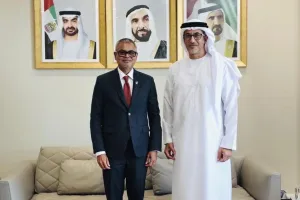
In his interview with the BBC, Muizzu said he had met with the Indian ambassador and told him very clearly of such matters.
"We don't know what's in there. Even in parliament, some of the MPs during the debates said that they didn't know what's in there. I am sure we will find it out," said Muizzu, who is also president of the People's National Congress (PNC), which is in a coalition with the Progressive Party of Maldives (PPM).
The first PPM government, in which Muizzu worked as Housing Minister, fostered close ties with China. Large infrastructure projects of the former government in the Male' region were carried out with Chinese loans and grant aid.
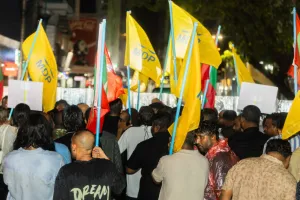
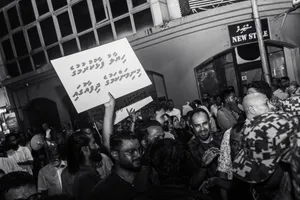
The PPM opposed President Ibrahim Mohamed Solih's close ties with India and criticized his policies of seeking Indian military assistance. The party also conducted an "India Out" campaign calling for the removal of Indian soldiers.
As a result, international media reports called Muizzu a "pro-China" candidate. Responding to the characterization in the BBC interview, Muizzu said he was a "pro-Maldives" person.
In his first public address since winning the election, Muizzu said his government's foreign policy would also be "pro-Maldives," which he has also been relaying in meetings with ambassadors and representatives of countries with bilateral ties to the Maldives.