Government seeks full control over visa categories

Nov 9, 2026, 9:55 AM
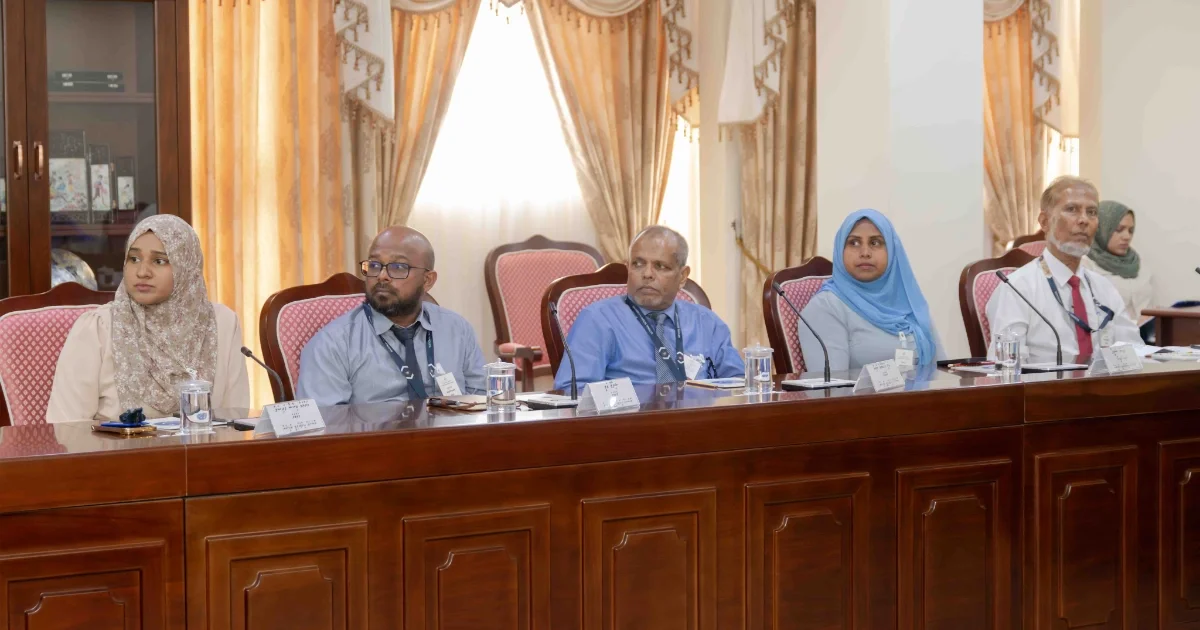
Immigration counters at Velana International Airport -- Photo: Adhadhu

Immigration counters at Velana International Airport -- Photo: Adhadhu

The government today submitted a bill to Parliament proposing amendments to the Maldives Immigration Act, granting the administration full authority to determine visa categories for foreign nationals without parliamentary oversight.

The bill stipulates that once passed into law, any visa categories established by the Minister must be recognised as an integral part of the Act.

Sponsored by Kulhudhuffushi North MP Mohamed Dawood on behalf of the government, the bill’s proposed Section 48(b) empowers the relevant Minister to define various sub-categories under each primary visa type. Furthermore, Section 48(f) states that once these ministerial categories are published in the Government Gazette, they shall carry the full force of law.

Under the current Immigration Act, all visa categories issued in the Maldives are defined within the legislation. Any modifications to visa classifications previously required parliamentary approval through statutory amendments. However, the newly proposed bill only outlines broad visa types, delegating the authority to define detailed sub-categories to the government. This shift allows the administration to adjust visa regulations in line with policy changes without seeking further parliamentary intervention.

These amendments are aimed at facilitating the government’s Rasmalé project, which involves the settlement of foreign nationals. The changes are expected to streamline the government's ability to create new visa categories that would allow foreign investors and workers to reside in the Maldives on a long-term basis.

Comments

Read More

Latest News

Bill targets social media posts with fines up to MVR 500,000

A new bill submitted to the Maldives Parliament proposes fines up to MVR 500,000 for defamation on social media. The legislation targets both original posters and those who share defamatory content, including gestures and films. If a claim is proven false, courts must award damages between MVR 50,000 and MVR 500,000 to the plaintiff.

Alcohol can be sold in reclaimed islands under Rasmale' zone

The proposed Real Estate Bill allows for the sale and consumption of alcohol and pork on separately reclaimed islands within the Rasmale' zone. While these items remain strictly prohibited in residential and commercial areas, the new framework permits them on adjacent tourism islands to accommodate foreign residents and visitors.

Real Estate Bill grants Rasmale' Project special exemptions

The Real Estate Bill includes a provision exempting the Rasmalé project from competitive bidding and oversight by the ACC and Auditor General. This legal carve-out validates prior deals with UAE’s Eagle Hills, bypassing standard transparency rules. Future projects must meet strict investment criteria but lack the same total exemptions.

Man found dead in parked vehicle in Male'

A 41-year-old man was found dead inside a parked pickup truck in Malé on Saturday morning. He was pronounced dead on arrival at Indira Gandhi Memorial Hospital after being discovered unresponsive. Police are currently investigating the circumstances surrounding the death.

"Muizzu knows public would reject Rasmale' deal"

MDP leader Fayyaz Ismail claims President Muizzu is avoiding a public referendum on the Rasmalé land deal because he knows citizens would overwhelmingly reject it. Fayyaz argues the project lacks transparency and warns that future governments may be forced to alter the agreement if it proceeds without public consent.

Bill to resume executions in the Maldives by hanging

The Maldives has introduced a bill to resume the death penalty via hanging for murder and drug-related crimes. The legislation mandates swift executions overseen by a seven-member panel once all judicial appeals are exhausted. It also includes stay provisions for pregnant women and those with severe health issues.

Bill allows defamation lawsuits over spoken words and gestures

New legislation introduced to Parliament classifies spoken words, gestures, and visual media as potential grounds for civil defamation lawsuits. If proven false, offenders may face damages up to MVR 500,000. The bill includes exemptions for parliamentary proceedings and related reporting to protect legislative privilege.

Newsletter

Get the latest news delivered straight to your inbox