Thalassemia patients continue to face critical medication shortages

Oct 29, 2026, 10:35 PM
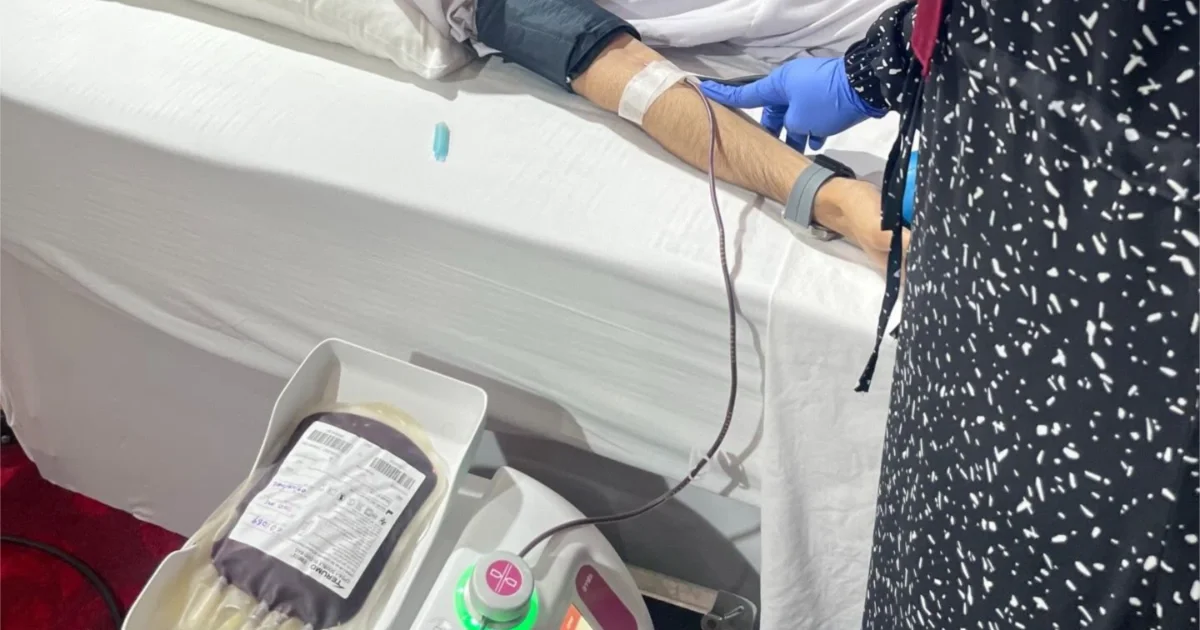
A blood donation event. -- Photo: Maldivian Thalassemia Society

A blood donation event. -- Photo: Maldivian Thalassemia Society

Thalassemia patients have begun expressing concern over the shortage of essential medications, describing the ongoing scarcity as a burden on their lives.

Abdulla Shaneez, a thalassemia patient, told Adhadhu that essential medications have been unavailable for a "very long time." He noted that while patients previously received a month's supply of medicine, they are now only issued enough for two weeks. Shaneez added that the situation has worsened since the establishment of the new state-owned pharmaceutical company, State Pharma.

"People are talking in waiting rooms and over coffee about how even basic Panadol is unavailable. But the reality is far more serious than just talk. Thalassemia patients have remained like this for about six months, giving State Pharma time to resolve these issues, since it is a newly formed entity," Shaneez said.

"However, they are only bringing in small batches—perhaps 500 or 200 tablets at a time. The limited supply they provide only lasts two weeks, whereas we used to get a month's worth. If it’s available one week, it’s gone the next. They just tell us it might be available the following week."

Shameez explained that thalassemia symptoms can worsen as patients age, requiring various specialised treatments. He expressed grave concern that these necessary medications are also frequently out of stock.

Furthermore, he highlighted that the lack of daily essential medicine forces patients to interrupt their treatment cycles while waiting indefinitely for new shipments to arrive.

Shaneez pointed out that the medicine shortage is not limited to thalassemia patients. He noted that a large number of people, including those suffering from cancer and mental health conditions, are also struggling to access vital prescriptions.

President Mohamed Muizzu admitted last September, midway through his current term, that the government has yet to resolve the nationwide medicine shortage.

The scarcity of medicine in the Maldives has reached unprecedented levels during Muizzu’s administration. The crisis began following a roadmap to distance the country from India, announced after the President’s visit to China early in his term. Muizzu had expressed a desire to cease the importation of pharmaceuticals from India.

As the shortage intensified, the President claimed the issue was being caused by pharmaceutical traders intentionally withholding imports to create difficulties.

In an attempt to address the crisis, the government established a state-owned pharmaceutical company, State Pharma, on September 9, 2025. However, more than a year has passed since the initiative began, and the shortages persist.

Comments

Read More

Latest News

Scholars urge government to halt Eagle Hills Rasmalé project

The Scholars’ Union of the Maldives is urging the government to halt the $12 billion Ras Malé project with Eagle Hills. The group claims the deal violates Islamic law and the constitution by potentially allowing non-Muslims to settle permanently. They warn the project could cause irreversible harm to the nation’s religious identity.

Parliament advances Real Estate Bill

The Maldives parliament advanced a bill allowing foreign property buyers to renew 99-year leases indefinitely. By issuing a new lease upon each resale, the law bypasses constitutional limits to boost the real estate market. The bill also formalizes a $12 billion deal with a developer for the Ras Malé project.

Government signs third deal for Ihavandhippolhu

The Maldives government signed a third agreement for the Ihavandhippolhu project, this time with Abu Dhabi’s SAH Group. The deal covers a commercial port and tourism infrastructure for the Maldives Economic Gateway. This follows two previous agreements with foreign firms that have yet to result in any physical work on the site.

Next year’s budget plans no hiring for new posts: Finance

The Maldives finance ministry announced that next year's budget includes no hiring for new positions to ensure economic sustainability. Officials stated that current salaries align with state revenue and that a 10% cap on overtime pay was necessary to prevent debt. No base salaries will be cut under the new pay harmonization framework.

Defamation bill aims to hide government corruption: Fittey

MP Hussain Ziyad criticized a proposed defamation bill, claiming its true purpose is to shield government corruption from public scrutiny. He warned that the bill's vague language and heavy fines, ranging up to MVR 500,000, threaten free speech. Ziyad argued the law mirrors past efforts to suppress reports on government misconduct.

Pension office dismisses COO Shiuna

The Maldives Pension Administration Office dismissed COO Mariyam Shiuna following her suspension in September. Shiuna was reportedly ousted after raising concerns about the chairperson and opposing a government plan to print money through the office. She previously led the Anti-Corruption Commission before joining the agency in 2023.

Defamation bill aims to stifle criticism of Rasmalé deal: Mauroof

MP Mauroof Zakir claims a new defamation bill aims to silence criticism of the Ras Male project and government accountability. The legislation proposes heavy fines and jail time for statements, gestures, or art deemed defamatory. Mauroof argues the bill is a tool to hide corruption and financial mismanagement from public scrutiny.

Newsletter

Get the latest news delivered straight to your inbox