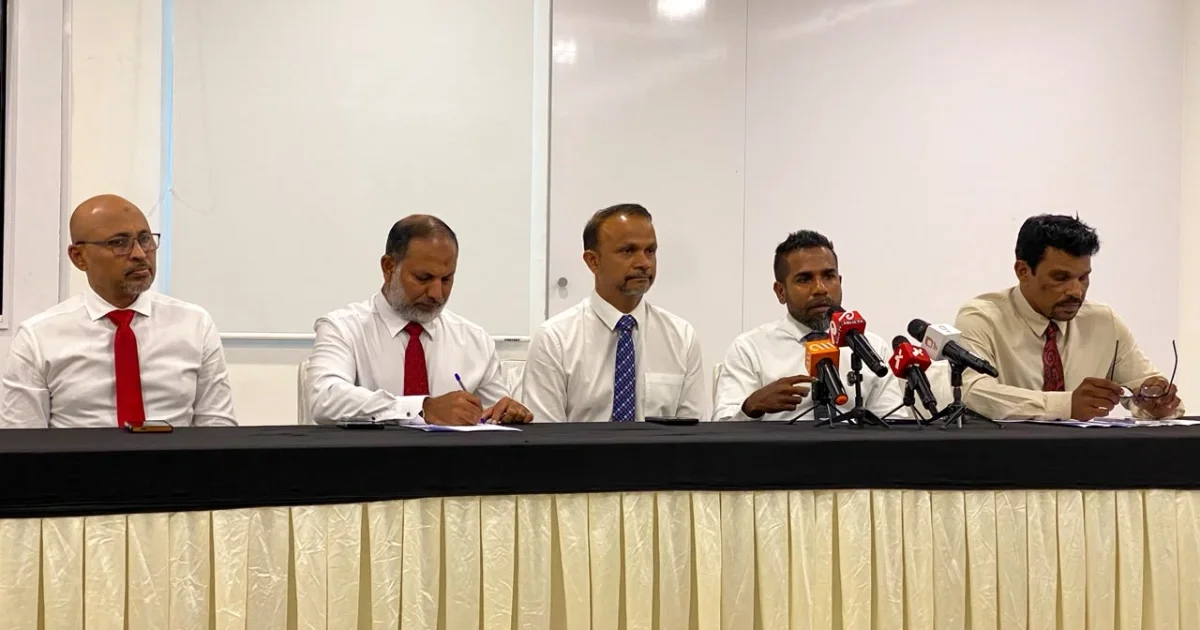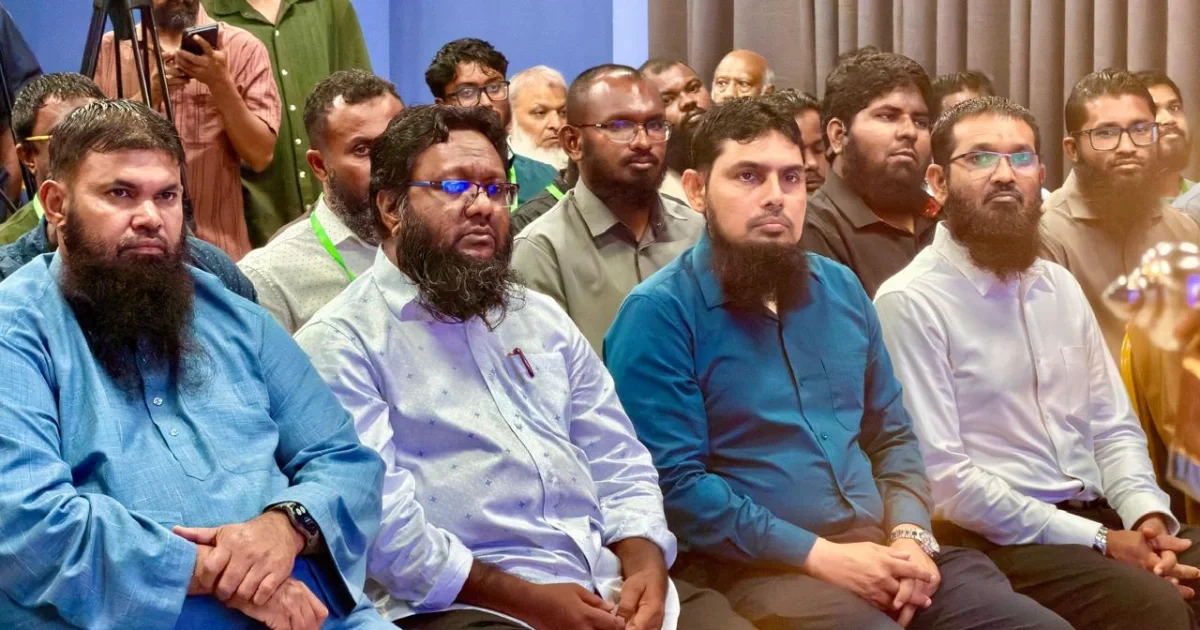
Jamiyyathul Salaf, a prominent NGO advocating for Islamic principles, has expressed support for allowing non-Muslims to reside in the Maldives under specific conditions.
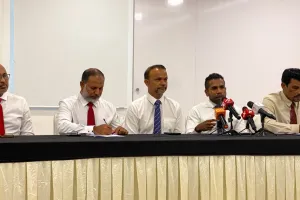
The organisation issued a statement today following an assessment of the government's decision to sell part of Rasmalé to Eagle Hills, a UAE-based firm known for its ties to Israel and Zionist interests.
In its statement, Salaf emphasised that several critical safeguards must be established before non-Muslims are permitted to settle in the country, including guarantees that the Maldives remains an Islamic state.
"We sincerely appeal to the current and future governments to formulate agreements and legal frameworks under a robust system that ensures these special zones do not pave the way for future advocacy for religious freedom. It is vital that there is no adverse impact on the Islamic identity of Maldivian society, the nation’s sovereignty and independence, the long-standing Islamic national principles, or the constitutional framework that guarantees the Maldives remains a 100 percent Islamic state," the statement read.
Salaf called on the government to ensure eight conditions are met before allowing foreign residency:
- Protection of Islamic identity and national sovereignty.
- Safeguarding state sovereignty and strategic independence.
- Researching demographic changes and security threats.
- Aiming for economic development that yields maximum benefit for Maldivian citizens.
- Establishing a policy of high transparency.
- Maintaining an open economy while ensuring equality within national foundations.
- Establishing a permanent monitoring system.
- Assessing social impacts.
The NGO further asserted that the government must ensure that no Israeli citizen is permitted to reside in Rasmalé or any other part of the Maldives. It also stressed that the Rasmalé project must provide significant benefits to the Maldivian people.
Additionally, Salaf urged the government to conduct extensive consultations with political parties and the general public before proceeding with such a project.
"In major decisions of this nature, it is [obligatory] to seek the sincere opinions and advice of political parties, NGOs, and members of the community as broadly as possible, and to proceed in a manner that maintains public trust," the statement said.
Salaf noted that the details of how the Rasmalé project will operate have not yet been disclosed.
"The practical and legal details of the project will only be fully confirmed once the agreement and relevant legislation are brought into existence," the organization stated.
The NGO also called for the disclosure of the Rasmalé project agreements, insisting that the legal framework for the project must be designed with national interest as the top priority.
"...We urge the Maldivian government to disclose the agreement transparently, monitor full compliance with Islamic and social standards through public consultation, and design the project's agreements and legal framework in a way that prioritises and protects the national interest," the statement added.
While the government maintains that Rasmalé is being leased for 99 years, Mohamed Alabbar’s Eagle Hills has stated that if a property is sold before the 99-year lease expires, a new 99-year lease period would commence.
Commercial terms to sell 500 hectares of Rasmalé—which is being reclaimed at Fushidhiggaru lagoon using state funds—to Eagle Hills were signed on September 21. The government aims to sign the final agreement on November 11, which marks the Maldives' Republic Day.
The government’s deal to sell Rasmalé comes despite President Mohamed Muizzu’s previous pledge that not a single grain of sand from the site would be leased or given to foreigners, even for a single day.
"Every grain of sand reclaimed there [Ras Malé] is a grain of sand owned by the Maldivian people. It is not land that will be leased to any foreign party for even a single day, nor will it be given for free," Muizzu had previously stated.