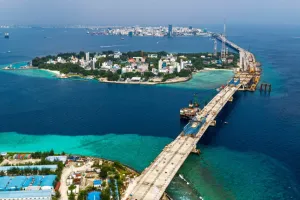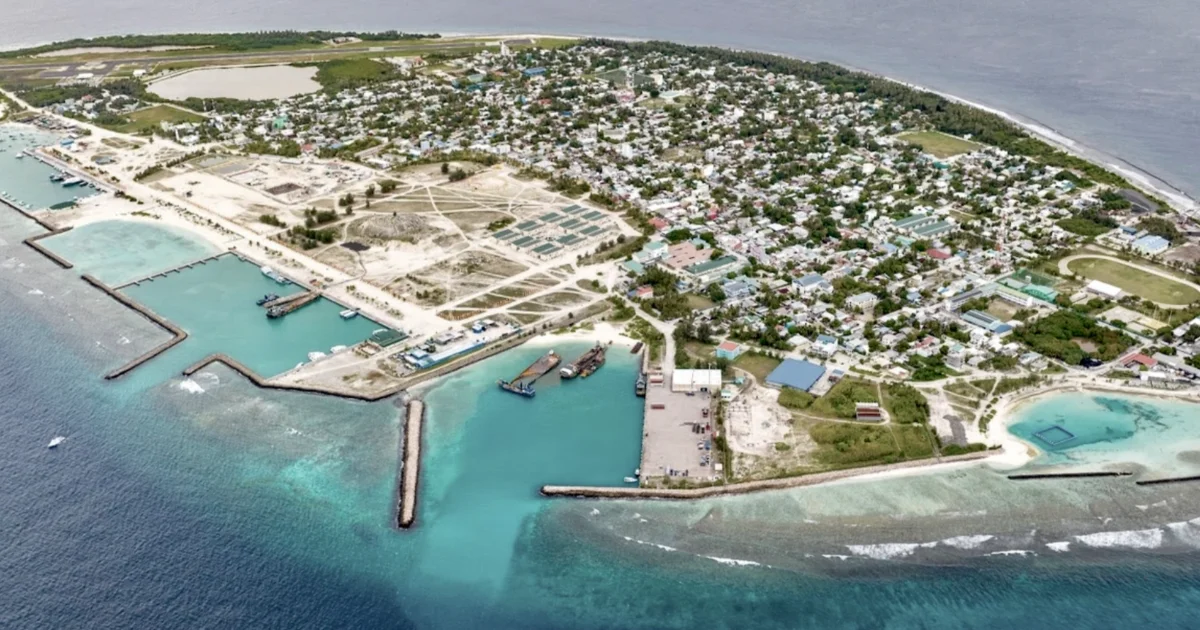
Air quality in Kulhudhuffushi City has deteriorated to hazardous levels, with the Air Quality Index (AQI) surging to 151.
According to official statistics published on the Kulhudhuffushi City Council website, the city's air pollution has reached levels that pose a threat to public health.
Data indicate a spike in PM2.5 levels—fine particulate matter that is considered the most harmful to human health.
In response to the deteriorating conditions, the Maldives Meteorological Service (MET) has issued an advisory urging caution as haze and poor air quality affect the northern and central atolls.
The MET Office stated that northwesterly winds have reduced visibility across the region. While visibility typically exceeds 10 kilometres on clear days, it has dropped to just two kilometres in the northern atolls over the past two days.
When the Air Quality Index exceeds 150, the general population may begin to experience adverse health effects. Health authorities have advised the public, particularly children, the elderly, and those with respiratory conditions, to exercise caution when outdoors.
The Maldives experiences annual air pollution during the Northeast Monsoon, as haze from northern India is carried across the region. This pollution is driven by vehicular and industrial emissions, as well as widespread agricultural burning in India.