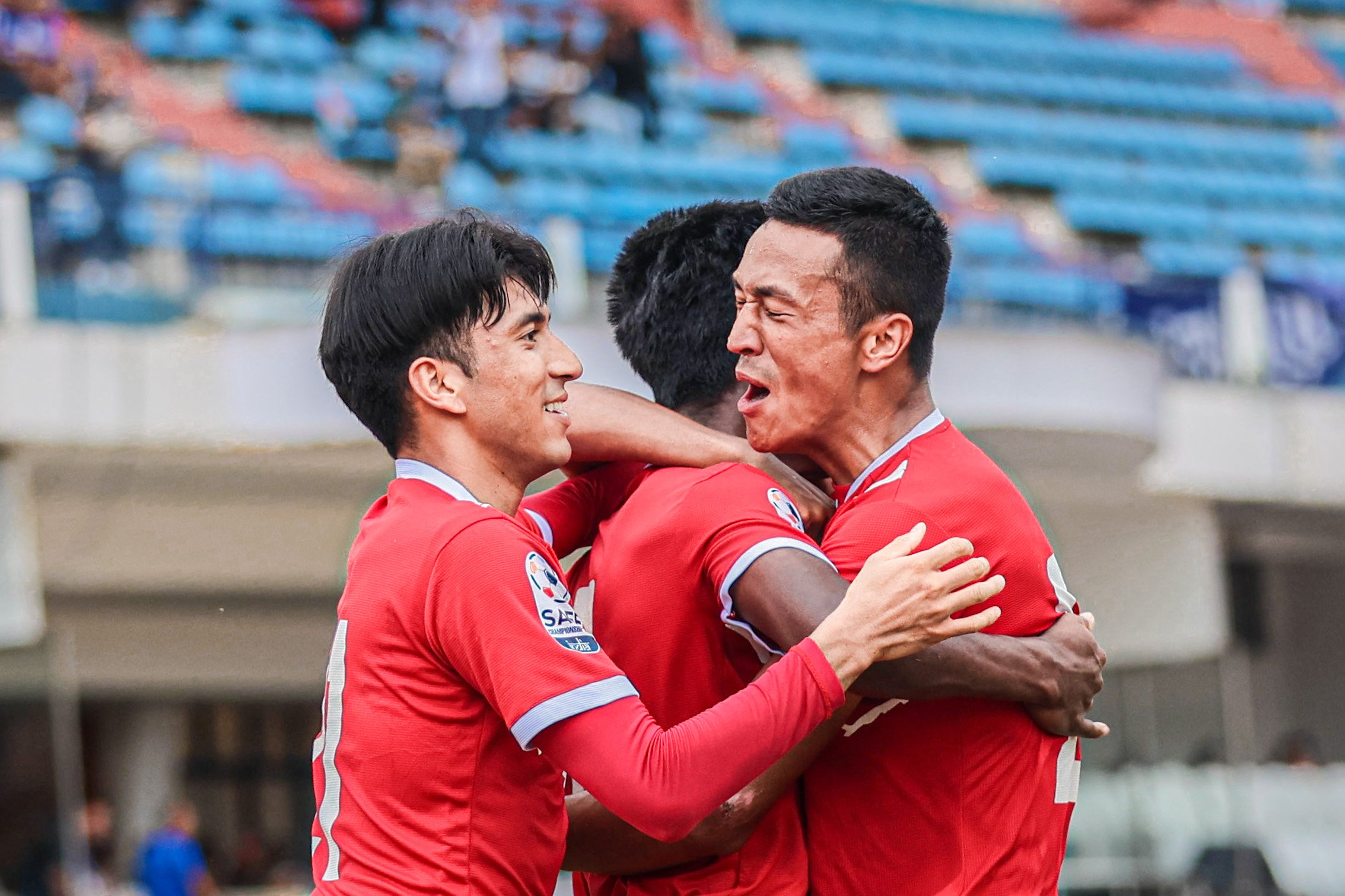
Nepal will miss the SAFF Championship for the first time in the history of the regional tournament after the suspension of the All Nepal Football Association (ANFA) was not lifted by the September 30 deadline set by the South Asian Football Federation (SAFF).
The 15th edition of the SAFF Championship is scheduled to be held in Bangladesh from November 4 to 17. Nepal had remained in the competition plans on the condition that FIFA’s suspension of ANFA would be lifted by September 30. With no lifting of the suspension by the deadline, Nepal’s absence from the tournament has now been confirmed.
FIFA suspended ANFA indefinitely on June 24, citing third-party interference in the football association’s affairs. Since the suspension, Nepal has been unable to participate normally in international football, with the SAFF Championship becoming the latest major competition the national team will miss.
Nepal had participated in all 14 previous editions of the SAFF Championship and had never missed the tournament during its 33-year history. The team has finished runners-up once, third once and reached the semi-finals on five occasions.
This year’s tournament will now feature six countries. Hosts Bangladesh, Sri Lanka and Bhutan make up Group A, while Group B consists of India, Pakistan and the Maldives. Had the suspension been lifted in time, Nepal would have competed in Group A.
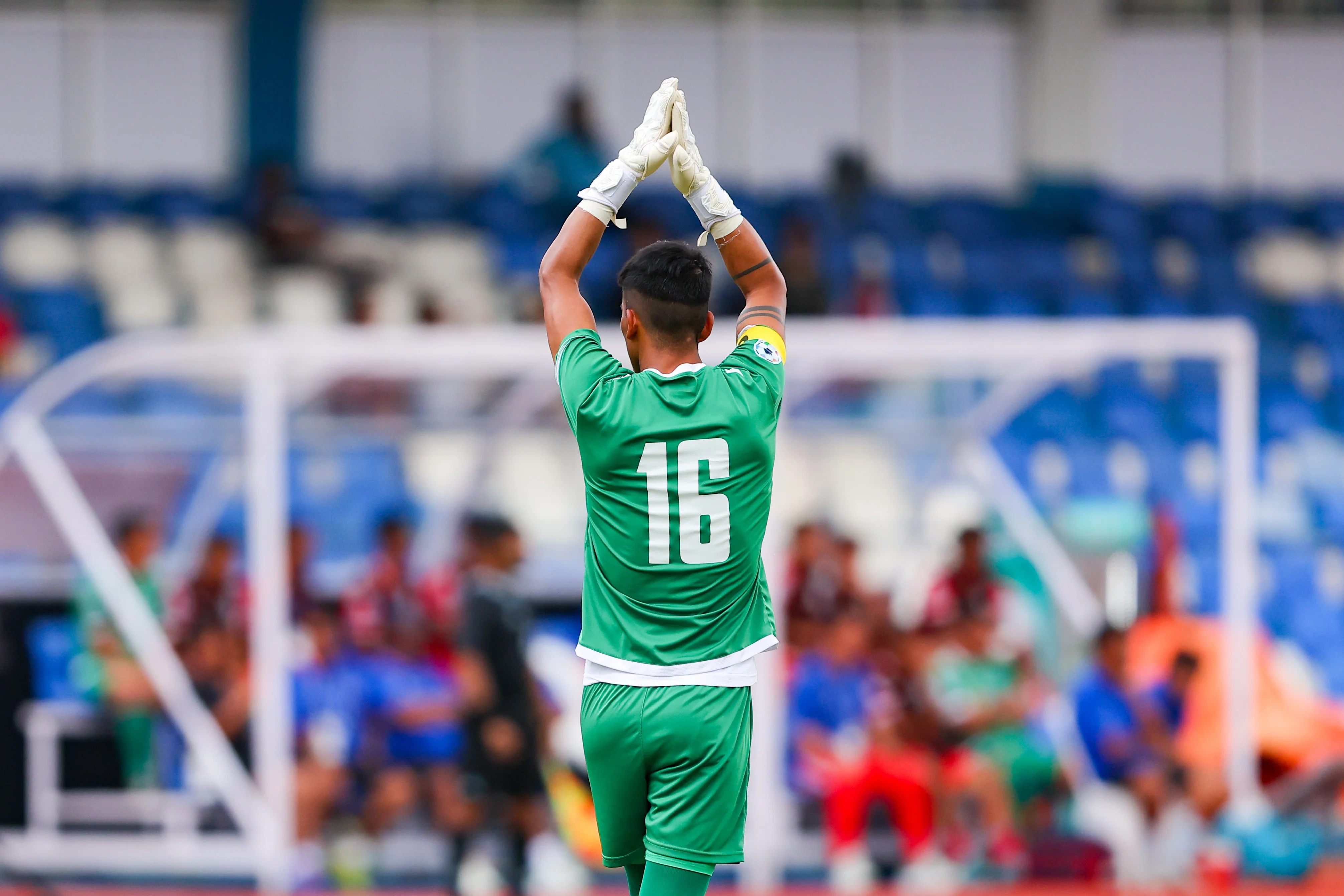
Nepal’s absence is particularly significant for its players, who have lost an important regional platform to compete, develop and showcase their abilities. The SAFF Championship is also an opportunity for South Asian footballers to attract attention from professional clubs abroad.
Nepal government has also acknowledged the growing difficulty of returning to the SAFF Championship. Education and Sports Minister and government spokesperson Sasmit Pokharel indicated that it was already too late for Nepal’s participation and said preparations were being made to focus on domestic football instead.
“It’s already too late for SAFF. We’ve discussed with various players what to do if the suspension isn’t lifted. We need to run the domestic league. Since players have told us it’s been years since they played in a domestic league, we’re preparing for that,” Pokharel said.
Pokharel had previously said that discussions with FIFA were positive and that the suspension could be lifted soon. However, with no positive response before the SAFF deadline, the government has shifted its attention towards advancing domestic football activities.
The suspension has created a wider crisis beyond the national team. Nepal’s footballers have been left without regular competition, while coaches, referees and others working in the football ecosystem have also been affected by the lack of activity.
The impact on players has been described as physical, financial, professional and emotional. With no regular matches or training programmes at the required level, players face the risk of losing fitness, match sharpness and career opportunities.
The disruption is particularly concerning for women’s football. Regular competition is crucial for developing players, bringing through new talent and maintaining confidence among young athletes entering the sport. The prolonged suspension has raised concerns that a lack of domestic football could reverse some of the progress made in recent years, including growing support from families for women to pursue football as a career.
The effects also extend to referees. Continued suspension could prevent Nepali officials from participating in international and regional competitions and training programmes. The Asian Football Confederation conducts an annual elite referee course, and Nepali referees risk missing such opportunities while the suspension remains in place.
Nepal referee Prakash Nath Shrestha warned that an extended absence from officiating could affect decision-making and preparation, pointing to the difficulties referees experienced when returning to football after the long interruption caused by the COVID-19 pandemic.
The crisis has also been compounded by a police investigation into alleged match-fixing. Nepal Police’s Central Investigation Bureau has arrested ANFA treasurer Rabindra Joshi and accountant Sanjiv Pandey on match-fixing charges. With the investigation ongoing and ANFA officials reportedly unreachable, uncertainty surrounding the country’s football administration has deepened.
For Nepal’s footballers, the immediate concern is now getting back onto the field. The loss of the SAFF Championship removes one of the region’s most important competitive opportunities and leaves the national team without a major tournament that it had participated in since the competition began.
The government’s stated intention to revive the domestic league could provide players with a pathway back to regular competition, but the broader crisis surrounding ANFA and the FIFA suspension remains unresolved.
Nepal’s absence from the 15th SAFF Championship is therefore more than a missing name from the tournament line-up. It is the first time in 33 years that the country will not take part in South Asia’s premier men’s football competition, highlighting the depth of the institutional crisis facing Nepali football and the growing cost of the dispute for players, coaches, referees and the sport as a whole.