The government yesterday agreed to lease a big part of Rasmalé, currently being reclaimed at a cost of millions of dollars, to a UAE-based company for 99 years. The government announced this as a $20 billion project to develop a marina and waterfront, though international media outlets have since reported the investment figure at $12 billion.
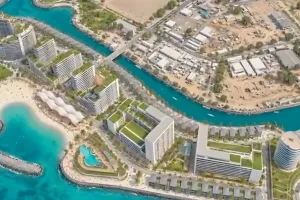
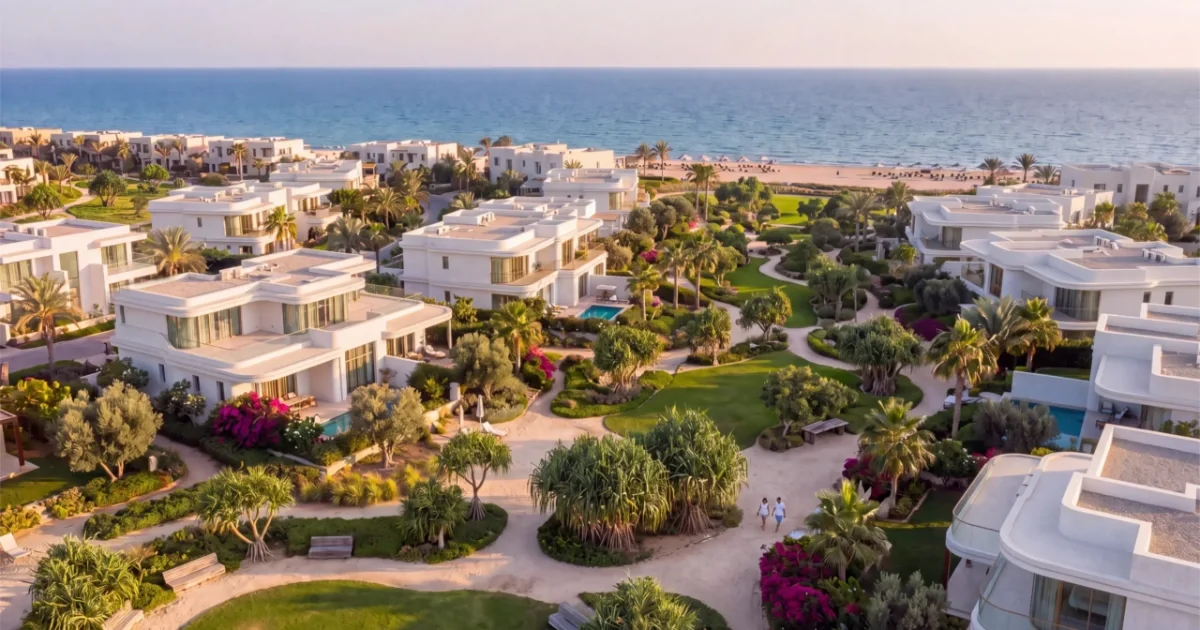
Eagle Hills, the developer, stated that the integrated model area will feature international-standard hotels and resorts, high-end branded residences, a world-class marina, waterfront boulevards, restaurants, and shops, alongside entertainment and healthcare facilities.
The exact cost of this massive multi-phase investment remains unclear. It is also unknown what price is being paid for the 99-year lease of the Rasmalé land. While it has been revealed that the Maldives will receive 5,000 housing units in exchange, further details remain undisclosed, as a definitive agreement has yet to be signed.
"Signing these initial commercial terms for a project of this magnitude is not something we have done with just any ordinary party," Minister of Finance Hassan Zareer told state broadcaster PSM.
What is an Initial Commercial Terms agreement?
This is a preliminary document outlining the primary business principles agreed upon by two parties before signing a comprehensive and detailed contract. It is similar to documents known as a "Term Sheet," "Heads of Terms," "Heads of Agreement," or a "Letter of Intent."
This document provides more detail than a Memorandum of Understanding (MOU), which typically only declares an intent to work together. However, it is not a definitive agreement, such as a Development Agreement, Lease, or Concession Agreement.
What does the agreement include?
Such agreements typically include the core economic principles and the framework of the deal. This encompasses the obligations of each party, the project scope, revenue or profit-sharing mechanisms, fees or rent, the land lease duration, exclusivity clauses, and a timeline for signing the final definitive agreement.
Furthermore, it includes "conditions precedent"—requirements that must be met before the agreement is fully implemented. These may include regulatory approvals, financial arrangements, environmental permits, or parliamentary approval.
Is this a binding agreement?
In many such agreements, the primary commercial terms are not legally binding. Either party retains the right to withdraw from the deal or renegotiate the figures. Whether an agreement is legally binding depends on the language used; the title of the document alone does not determine its legal status.
However, certain clauses are typically legally enforceable. These usually include exclusivity (an agreement that the government will not negotiate with competitors for a specified period), confidentiality, cost allocation, governing law, and dispute resolution mechanisms.
What are the next stages?
Following yesterday’s signing, the next phase involves due diligence and feasibility studies to determine the project's viability.
During this stage, the developer will conduct site surveys and assessments regarding legal land ownership, urban planning regulations, market demand, and financing structures. The government, in turn, must evaluate the developer’s track record, financial capacity, and the practical feasibility of the project.
This will be followed by the most critical stage: finalizing the main project agreements. Negotiations will proceed to draft contracts based on the terms established in the Commercial Terms agreement. This will result in a legally binding definitive agreement detailing responsibilities, penalties, and dispute resolution protocols.
For a project of this nature, this typically includes a Development Agreement, a lease or land-use agreement for the reclaimed land, and a Shareholders’ or Joint Venture Agreement if a Special Purpose Vehicle (SPV) is established.
Generally, waterfronts developed by Eagle Hills are operated through joint venture companies formed with governments. A separate agreement will be required for the 5,000 housing units the company is set to build in Hulhumalé.
The next steps involve conducting Environmental Impact Assessment (EIA) reports and obtaining necessary permits. During this phase, the project funding will be transferred to the Maldives, and the corporate setup will be finalised.
Eagle Hills aims to complete the detailed design phase and commence physical works within the first quarter of next year. This is considered an ambitious timeline for a 550-hectare project where definitive agreements have yet to be signed.