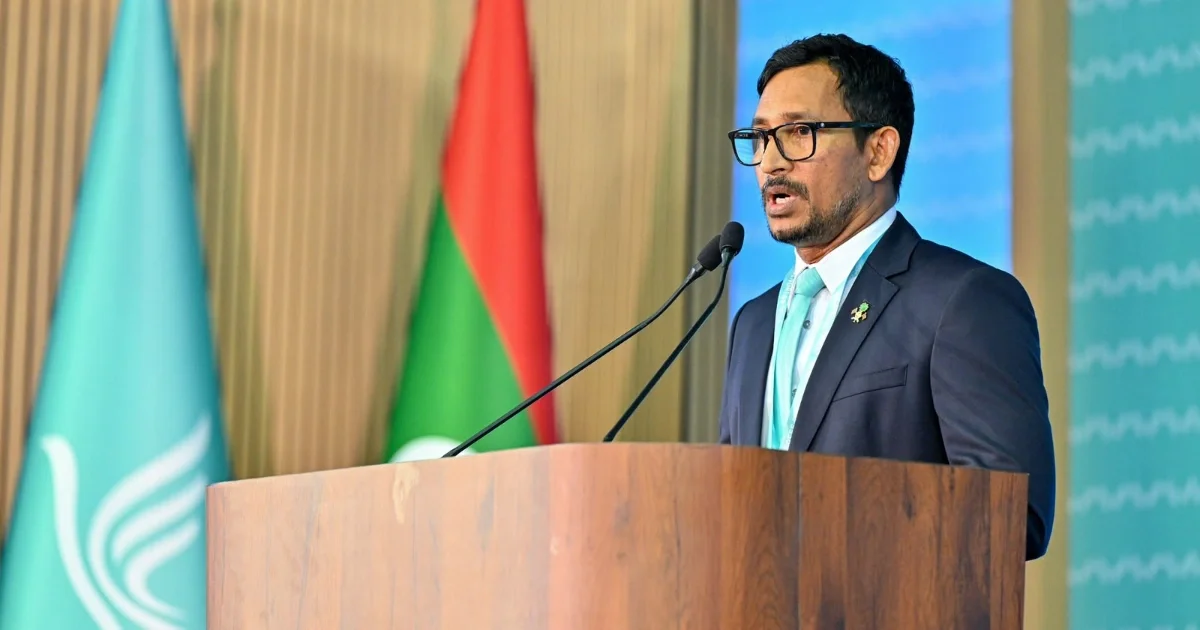
The Governor of the Maldives Monetary Authority (MMA), Ahmed Munawar, has announced that special measures have been initiated to establish a permanent solution for importers facing challenges in sourcing foreign currency through the banking system. These efforts also aim to curb the use of "fraudulent TTs" (Telegraphic Transfers) used to exploit dollar allocations from banks.
Speaking at a press conference held at the President's Office yesterday, Governor Munawar noted that many licensed money changers have ceased operations and are currently claiming a lack of dollar liquidity.
"The consequence of this is that dollars required for imports are currently not available at all," Munawar said.
"In exploring solutions, we have determined that the only viable permanent fix is to ensure dollars can be provided through the banking system by requiring foreign currency to be exchanged with the MMA."
The Governor highlighted that authorities have identified instances where individuals are misappropriating foreign currency issued by banks by using forged TTs for imports. A specialised system is being developed in collaboration with the Home Ministry to prevent such fraud and is currently nearing its live launch phase.
"To enhance monitoring by the Homeland Security Ministry, we have observed a high prevalence of fake TTs being created during the importation of goods. To stop the illicit exploitation of foreign currency provided to banks, we have developed a system that is now almost ready to go live," Munawar said.
The current black market exchange rate for the US Dollar stands at MVR 23.
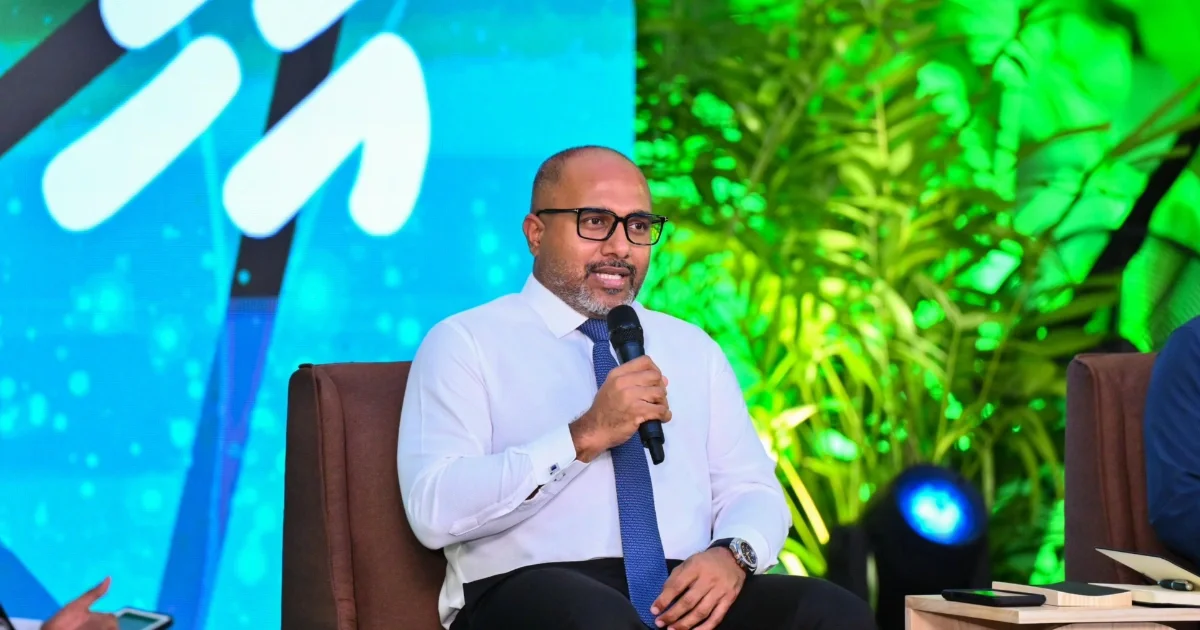
During the briefing, Home Minister Ali Ihusaan said that while there are 63 legally registered money changers in the Maldives, authorities are investigating numerous parties operating without permits. Investigations into a sample of seven exchange entities revealed they had traded USD 76 million on the black market over the past nine months. Ihusaan noted that these transactions involved several prominent Maldivian resort chains.
One resort chain alone was found to have exchanged USD 4 million on the black market within a nine-month period, according to the briefing.
Ihusaan further emphasised that engaging in money exchange without a licence is a criminal offence, and utilising funds obtained through such means constitutes money laundering. He appealed to the public to remain vigilant, noting that even individuals exchanging their salaries on the black market are committing a legal offence.
Additionally, Governor Munawar revealed that work is underway to submit amendments to the Foreign Exchange Act to Parliament. The proposed changes include increasing the mandatory foreign currency conversion requirement for dollar-earning businesses from the current 20 percent every three months to 40 percent on a monthly basis.
Munawar also noted that approximately MVR 3 billion has been mopped up over the past year to reduce excess liquidity in the market. Furthermore, he highlighted that dollar allocations for essential goods, students, and medical purposes have been increased by 51 percent.