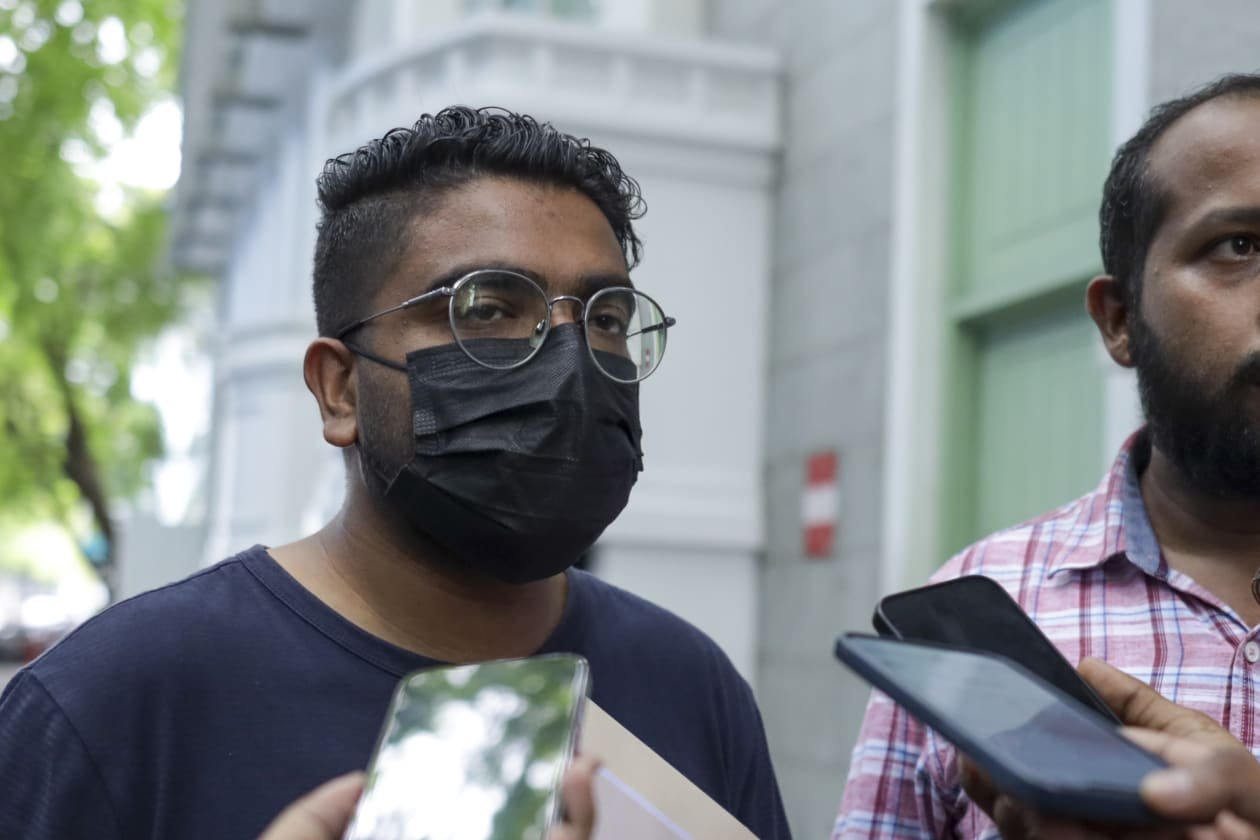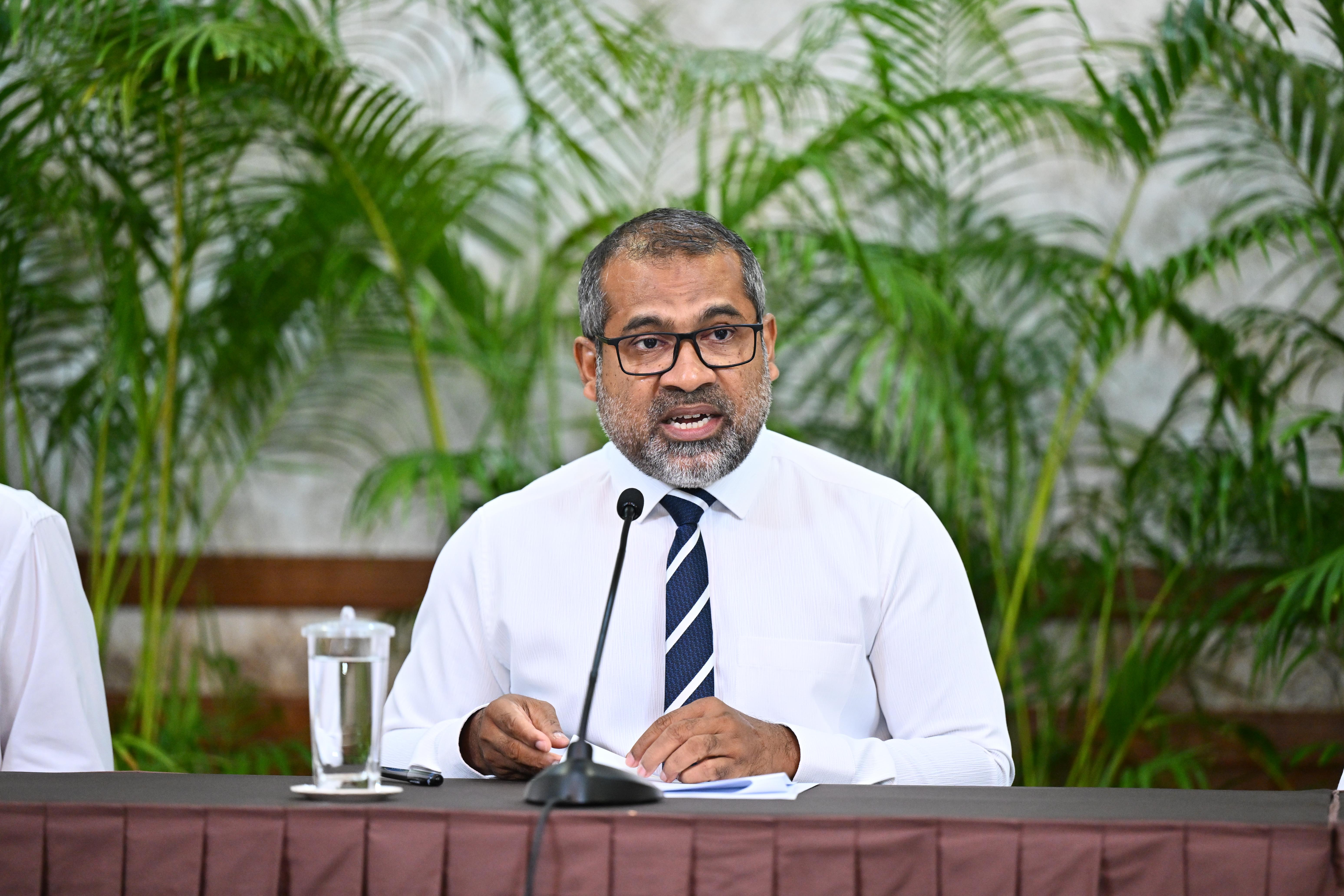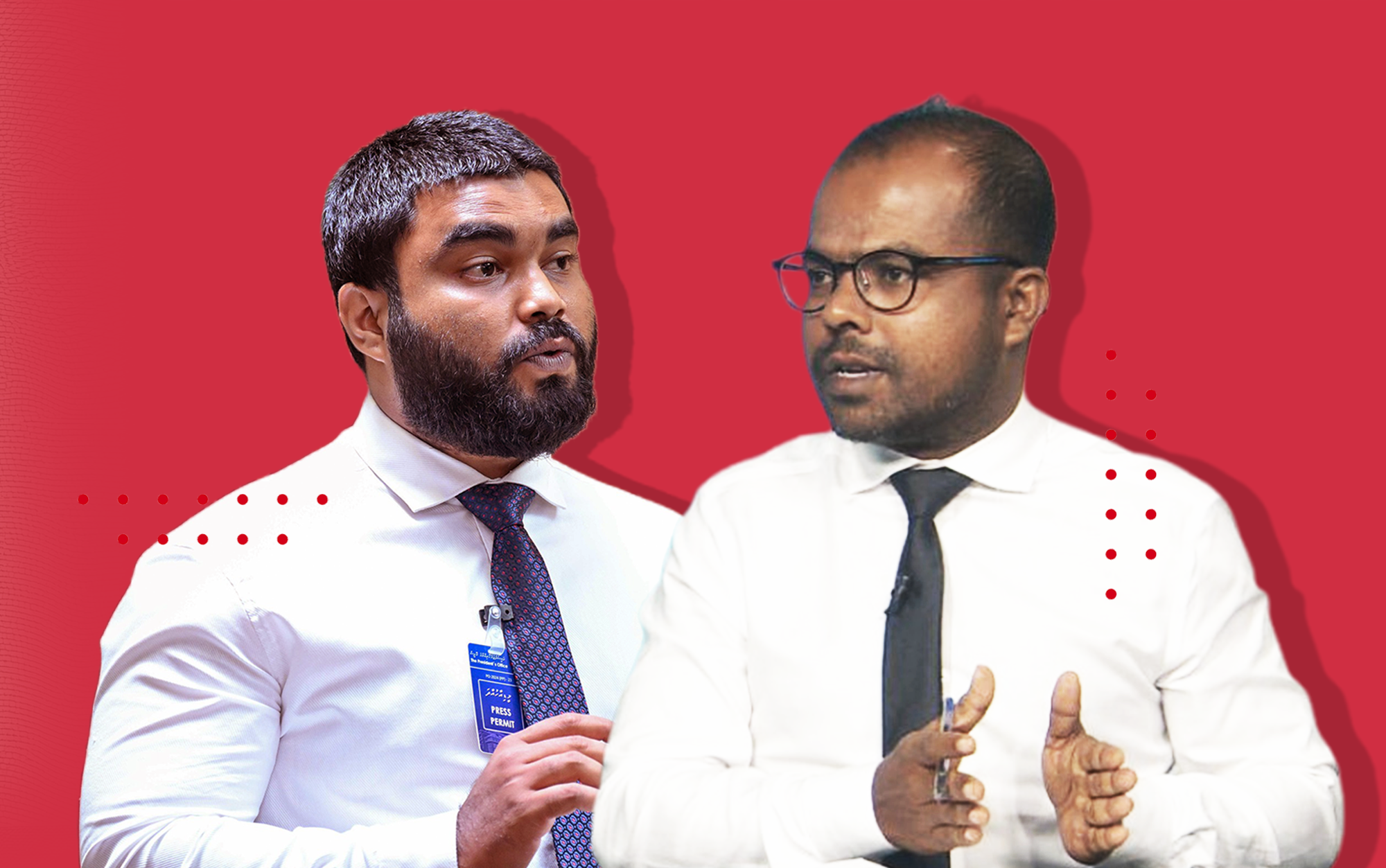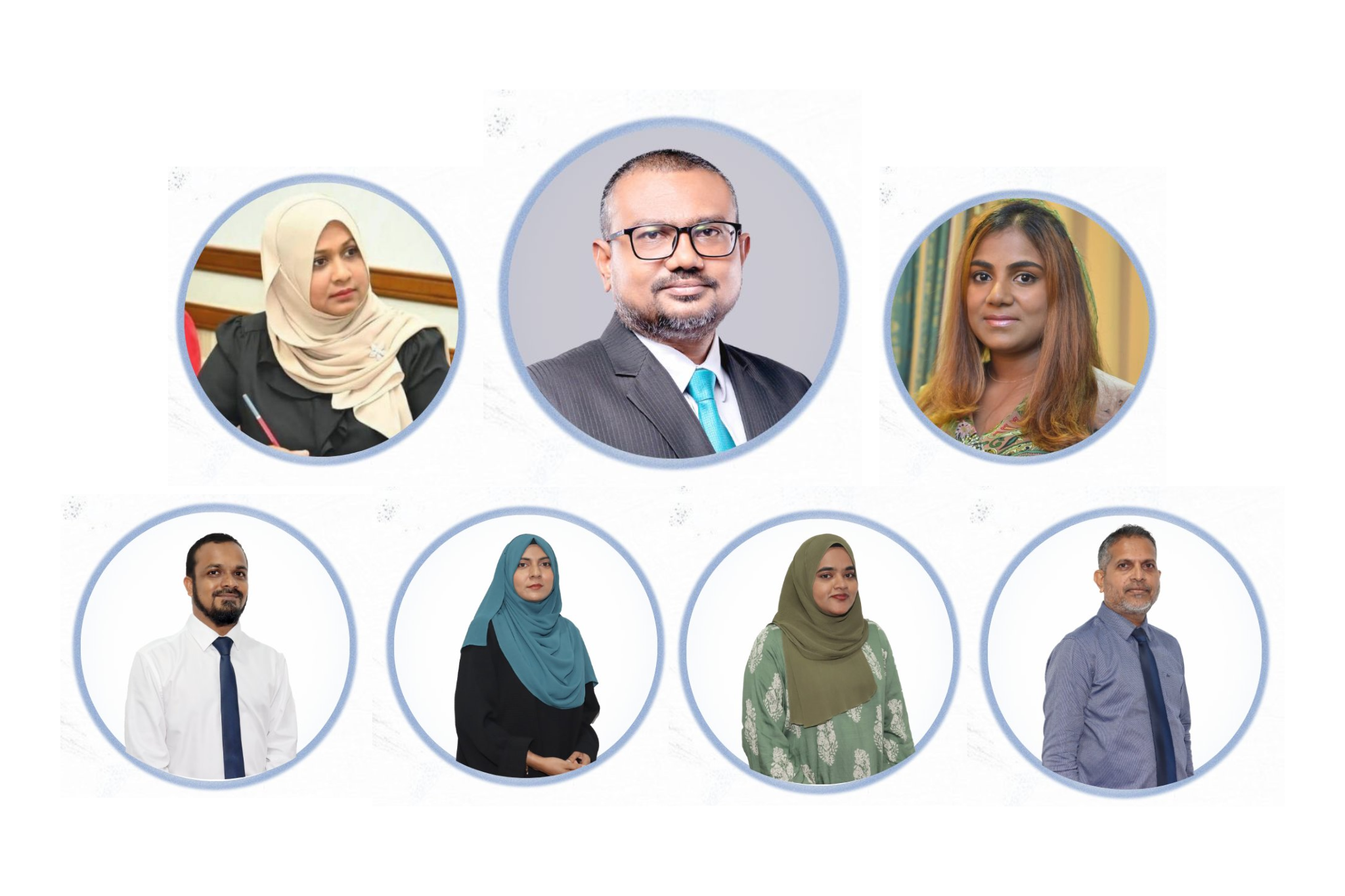
The government has started a disinformation campaign on social media targeting the international community following pressure after the People's Majlis approved the bill to control media and limit freedom of expression.
The US embassy in Male' called on the government to uphold the right to freedom of expression and freedom of the press in a post on X immediately after the government-controlled parliament passed the bill on Tuesday.
Adhadhu understands that several other countries and international organizations have shared their concerns with the government.
Since then, senior government officials, including Foreign Minister Abdulla Khaleel, have been posting on social media to defend the bill. They have also been trying to discredit posts by opposition Maldivian Democratic Party (MDP) leaders.
Khaleel made two posts on X about the draconian bill. He claimed that the main purpose of the bill is to merge the Maldives Media Council (MMC) and the Maldives Broadcasting Commission (Broadcom) for more effective regulatory mechanisms.
He also attacked the former MDP government, but did not write about the many concerns flagged by the local journalist community and international organization regarding the restrictive provisions in the bill.
Khaleel also made a post with false information, which said the bill cannot be used to control personal social media accounts. He also tried to mislead by claiming that the new commission under the bill will be an "independent body."
On Wednesday, President Mohamed Muizzu appeared on the Rayyithunnaa Eku (With the People) podcast and defended the bill, which he said would ban writing "whatever comes to mind."
"In my view, a human being cannot have the right to write everything that comes to their mind without regard to the truth and whatever happens to the other person," he said.
Islamic Minister Mohamed Shaheem, Defense Minister Ghassan Maumoon, Finance Minister Moosa Zameer and Construction Minister Abdulla Muththalib are also engaged in the disinformation campaign on social media.
Ruling party MPs Mohamed Ibrahim Imran Latheef, Mohamed Sinan, Ibrahim Sujau have also posted, in addition to many political appointees, including deputy ministers and political directors.
On Tuesday, the government exploited its supermajority in the parliament to push through the draconian legislation, which would control registered media and social media.
The government is now facing pressure after rushing the restrictive legislation despite appeals for its withdrawal.
The Committee to Protect Journalists (CPJ) called on Muizzu to reject the bill and "uphold his pledge to protect media freedom."
The US embassy in Male' also called on the government to uphold the right to freedom of expression and freedom of the press.
"We urge the Maldives and all countries to uphold the freedoms of expression, including dissenting and opposition voices," the post read.
On Wednesday, Sri Lankan journalists demonstrated in front of the Maldives High Commission in Colombo to show solidarity for Maldivian journalists.
"Today, as journalists, we are asking the Maldivian President not to sign it, because it will erode the media freedom in the Maldives," one journalist said.
Some concerns about the media control bill
A major concern raised by the journalist community was that the new Maldives Media and Broadcasting Commission to be formed under the bill would have members appointed by the President.
Three members of the seven-member commission will be appointed by the President. The other four members will be elected by the media. Media outlets that have been operating for more than five years can field candidates and vote in the election.
In addition to media outlets, journalists can also vote in the election. This means the state broadcaster controlled by the government, Public Service Media (PSM), is likely to take control of the election.
The commission will have the power to regulate social media, and hefty fines can be imposed on media outlets. But a provision which allowed fines on individual journalists was removed from the bill.
Some provisions also allow the commission to shut down media outlets, while the commission has the power to determine what is true and what is false.
The bill sets out the rules for media ethics and empowers the commission to determine what information endangers public interest.
Among the provisions added to the bill are the procedures for appointing members to investigate complaints submitted to the commission. It was amended to allow the selection of members outside the commission to inquire into cases.
In addition to the Maldives Journalists Association (MJA), the MMC, Broadcom, Bar Council, Human Rights Commission of the Maldives (HRCM) and other local and international organizations have raised concerns about the bill.