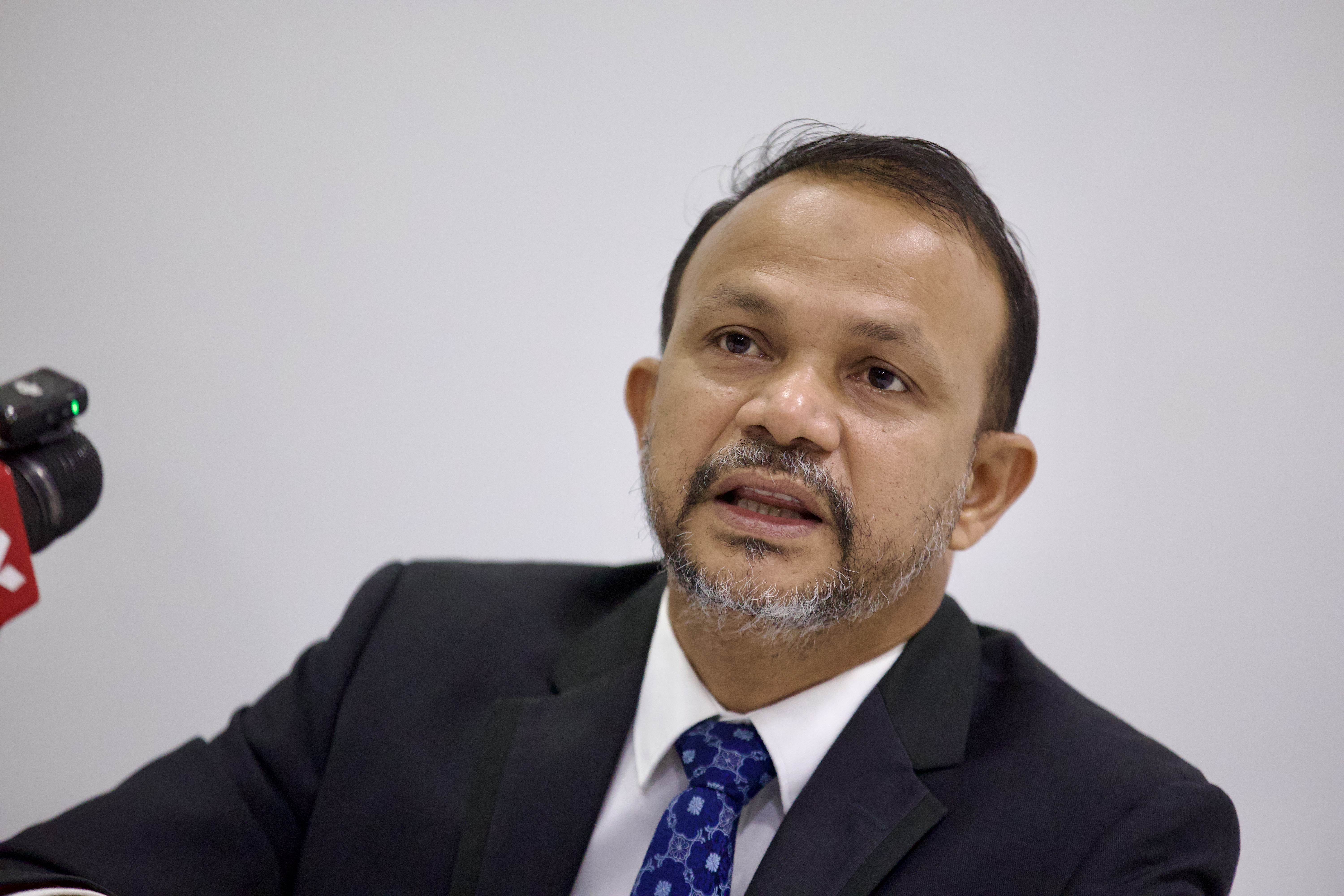
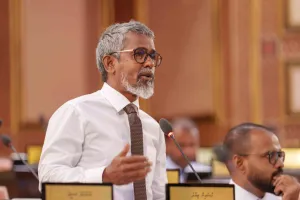
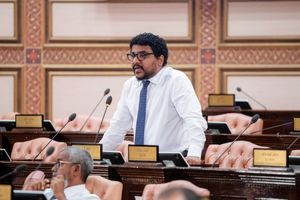
The constitutional amendment that disqualifies MPs for defection or expulsion from a political party is not only unconstitutional but also not a feature of the presidential system, lawyer Mahfooz Saeed has told the Supreme Court.
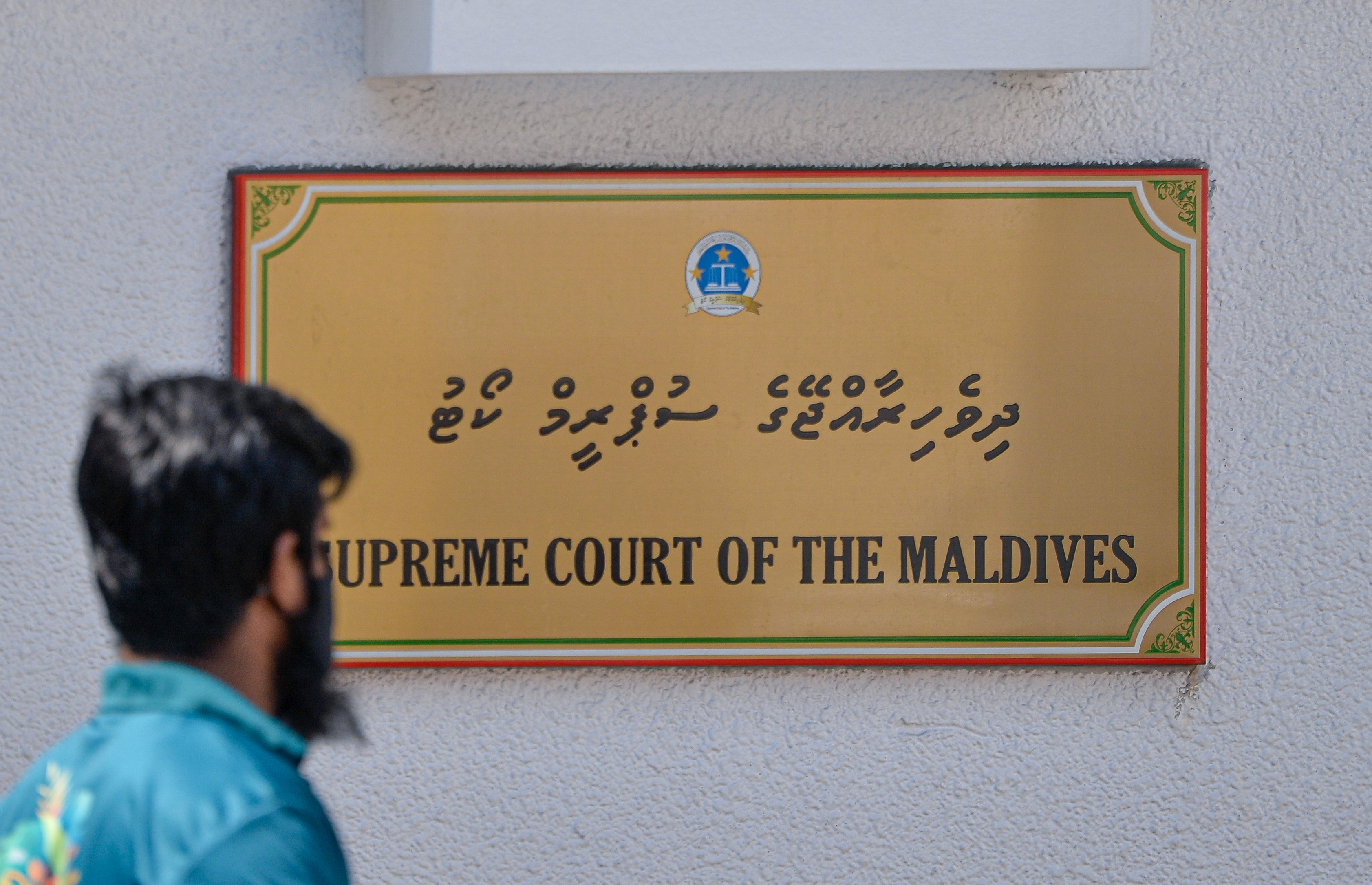
On Monday, the Supreme Court began hearing the constitutional case submitted by former Kendhoo MP Ali Hussain to quash the constitutional amendment that disqualifies MPs who switch parties.
Lawyer Mahfooz told the the seven-judge bench that all the powers of the state begin and remain with the people but the recent constitutional amendment limits the people's power.
"The Constitution places the utmost importance on the fundamental rights of the people and the existence of all powers of the state as originating and continuing from the people. The people will represent this power through their elected members," he stated.
Mahfooz stressed that the scope of work and protections of the people's elected MPs are also defined in the Constitution in order to empower the people and that MPs should work without influence, including political parties.
"Articles 5 and 70 of the Constitution stipulate that the Parliament is an independent body that should not be subject to any influence. This is a fundamental feature of the Constitution," the lawyer said.
Article 5 states that all legislative power in the Maldives is vested in the People's Majlis and Article 70 details the legislative power given to the parliament which includes the power to change the Constitution and make laws that are not against the principles of Islamic Shariah.
Mahfooz noted that the Constitution does not emphasize the role and status of political parties in exercising state powers despite the recent amendment to empower parties.
“Party ticket, party whip and party line” are not terms familiar with the Constitution, he stressed.
The power to form and run a government is given to a political party in a parliamentary system but not in a presidential system, he added.
"As a constitution designed for a presidential system, the Constitution in its basic design gives priority to giving the people all the power to appoint those who will exercise the powers of the state," according to the petition.
In a parliamentary system, when an MP changes party, the power to form the government changes, the lawyer said. However, in a presidential system, there is no constitutional change in the formation and operation of the government because an MP belongs to a particular political party, he said.
The lawyer noted that efforts have been made in the past to resolve the issue of defection. Mahfooz said an unconstitutional law had been passed to resolve the issue previously. But, he said, the issue should be resolved in a way that does not undermine the powers given to the people by the Constitution.
“One of the changes that can be made is to establish a system to consider the views of the people on whether an MP violates his responsibilities when he changes political parties,” the petition stated.