More filaria cases have been detected in Male' and Hulhumale' as screening takes place across the country.
According to the Health Protection Agency (HPA) figures, five people tested positive in Hulhumale' and one case was detected in Male'.
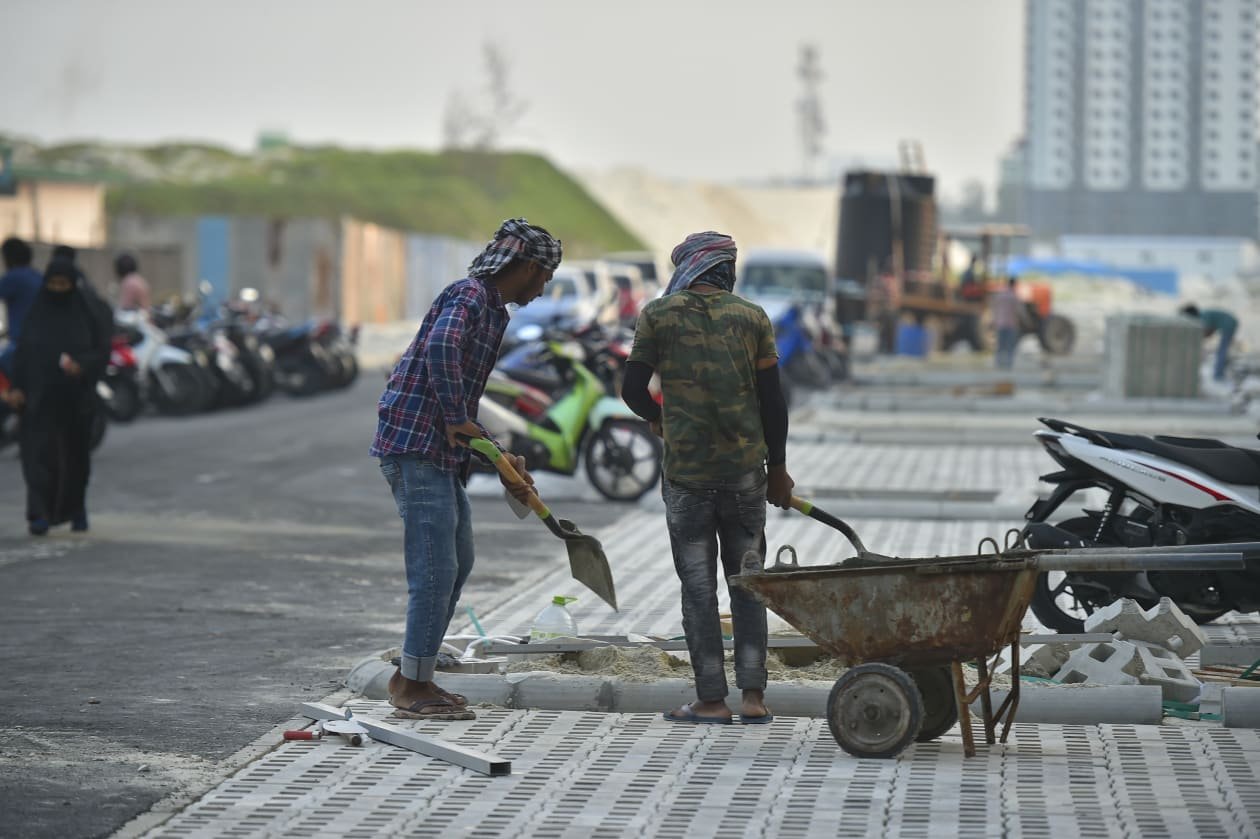
The positive cases were found in samples taken from sites where foreigners work.
Five out of 25 people tested positive in Hulhumale' while one out of 15 people tested positive in Male'. Out of the 20 people tested in the Gulhifalhu, one tested positive.
With that, a total of seven people have tested positive in the Greater Male' Region.
The first case of filariasis, a disease thought to have been eradicated from the Maldives, was detected among migrant workers residing in Kulhudhuffushi during a screening program conducted to mark World AIDS Day.
The number of cases of filariasis in Kulhudhuffushi has now climbed to 25.
Filariasis is a disease transmitted by mosquitoes. In 2016, the World Health Organization (WHO) certified Maldives as having eradicated the disease, which declared that filaria either affected less than one percent of the population or no longer posed a threat to public health.
The last case of filaria was reported in 2004 in Laamu atoll Fonadhoo. The residents were given medicine for five years. Since 2008, no cases have been reported.
Filariasis is a mosquito-borne, contagious disease.