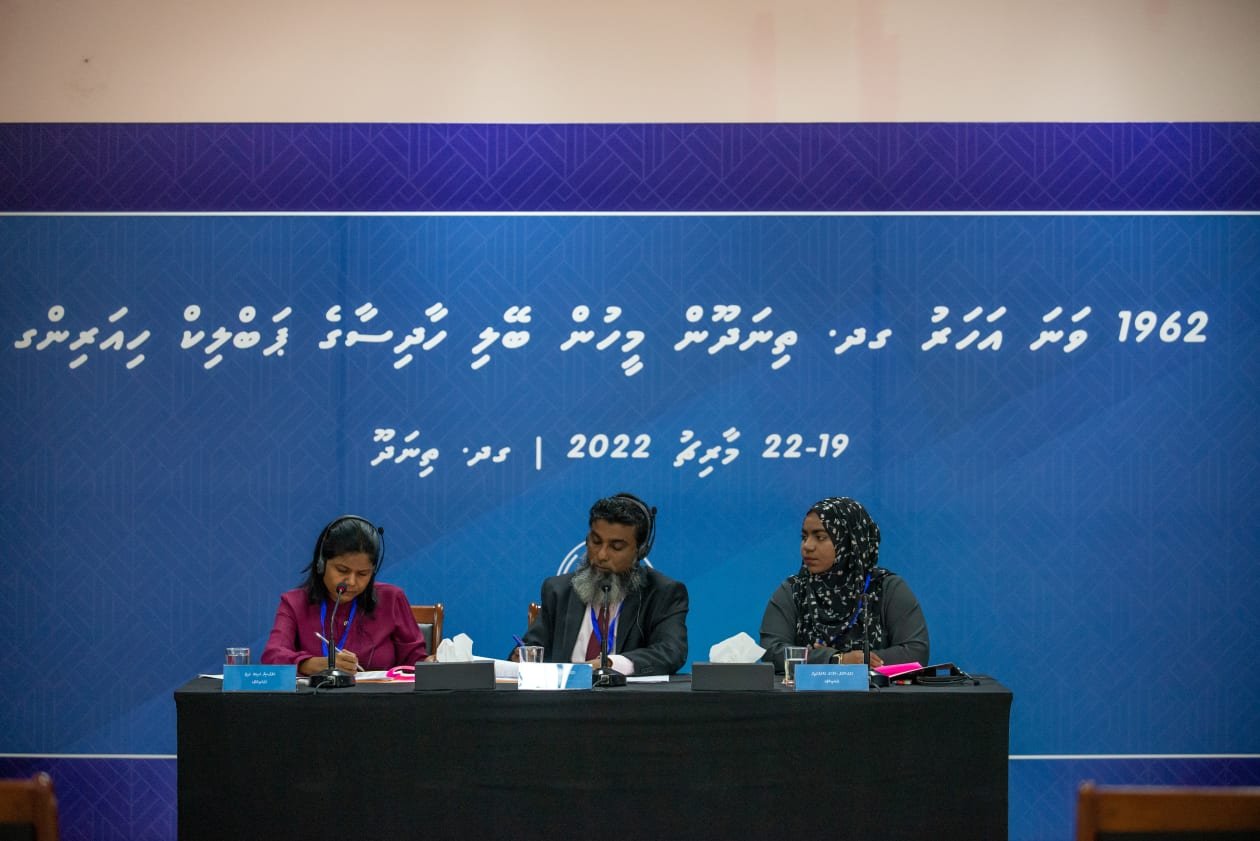
One hundred cases remain unfinished with the term of the Ombudsperson’s Office for Transitional Justice (OTJ) due to end on November 17, Adhadhu has learned.
A total of 489 cases were submitted after the OTJ was established and the public was invited to submit cases (from 13 June 2021 to 13 September 2021).
An employee of the office who wished to remain anonymous confirmed to Adhadhu that 100 cases have not been investigated with 19 days left of the OTJ’s term.
The investigation work stalled due to serious difficulties, the source explained.
Concern over many services from one office
Most people who submit cases to the office have worked for justice for a long time, the source from the OTJ said. As a result, the OTJ is required to provide psychological help to ensure that they are not further victimized, the official said.
While redress has been assured for some victims through discussions in the mediation stage of transitional justice, the official noted that other countries have special institutes established for mediation and victim support.
The official also noted the lack of cooperation from some institutions and the failure to safely store documents.
As most cases submitted to the OTJ involve incidents that occurred before the 2000s, several documents are required from government agencies.
Alleged negligence by Chief Ombudsperson
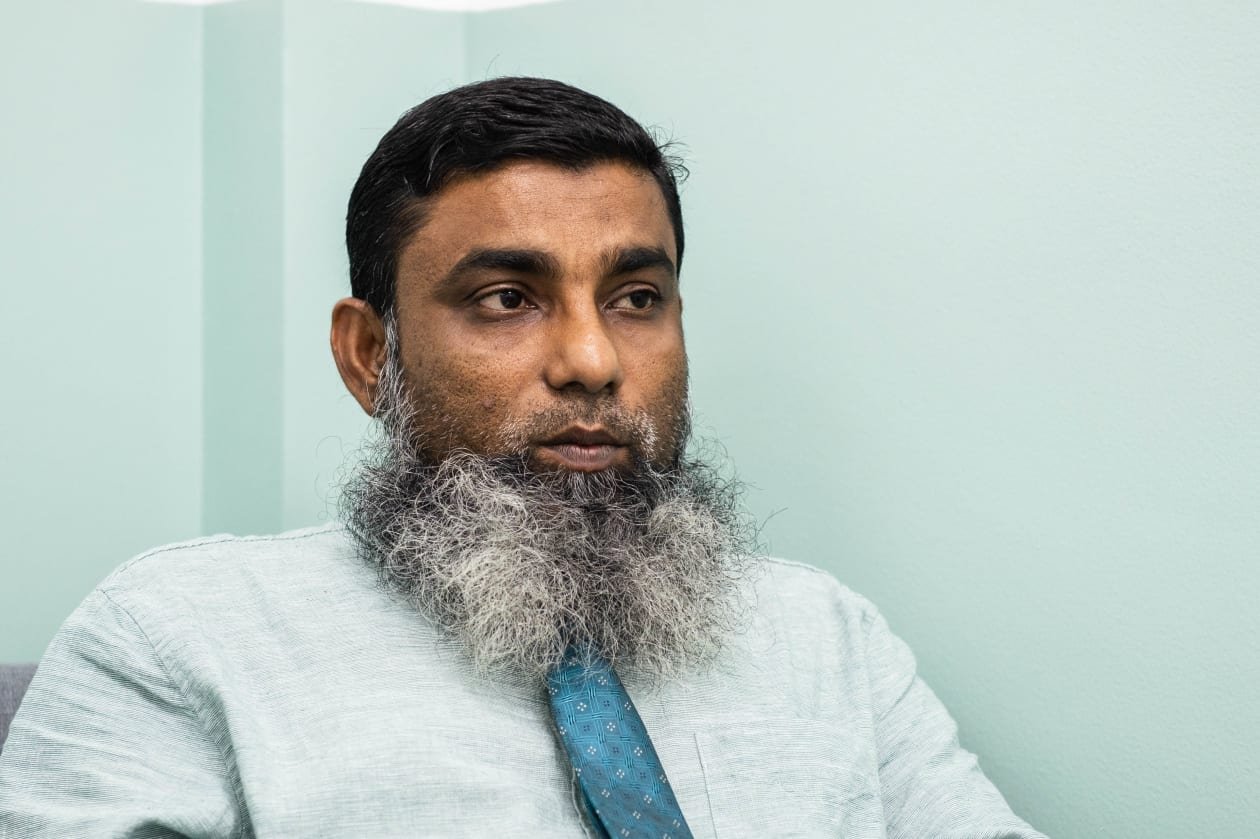
Chief Ombudsperson Abdul Salaam Arif, the head of the OTJ, does not properly perform his duties, the staff member who spoke to Adhadhu alleged.
“Competent people should be appointed for work such as this that is newly introduced. Even though the law discourages ombudspersons from doing their own work, one ombudsperson spends most of the time on his own work,” the official explained.
The Chief Ombudsperson has not shown the necessary seriousness at all and his failure to devote time to OTJ work posed difficulties in finalizing some matters, the official said.
The OTJ is an institution established to look into systematic violations of human rights and fundamental freedoms by persons in an authoritative position or by government institutions from 1 January 1953 to 17 November 2018.
The office was mandated with seeking recognition for victims of violations of human rights and fundamental freedoms and providing peace, reconciliation and reparations.
The OTJ was created on 17 December 2020 after the ratification and enactment of the Transitional Justice Act.