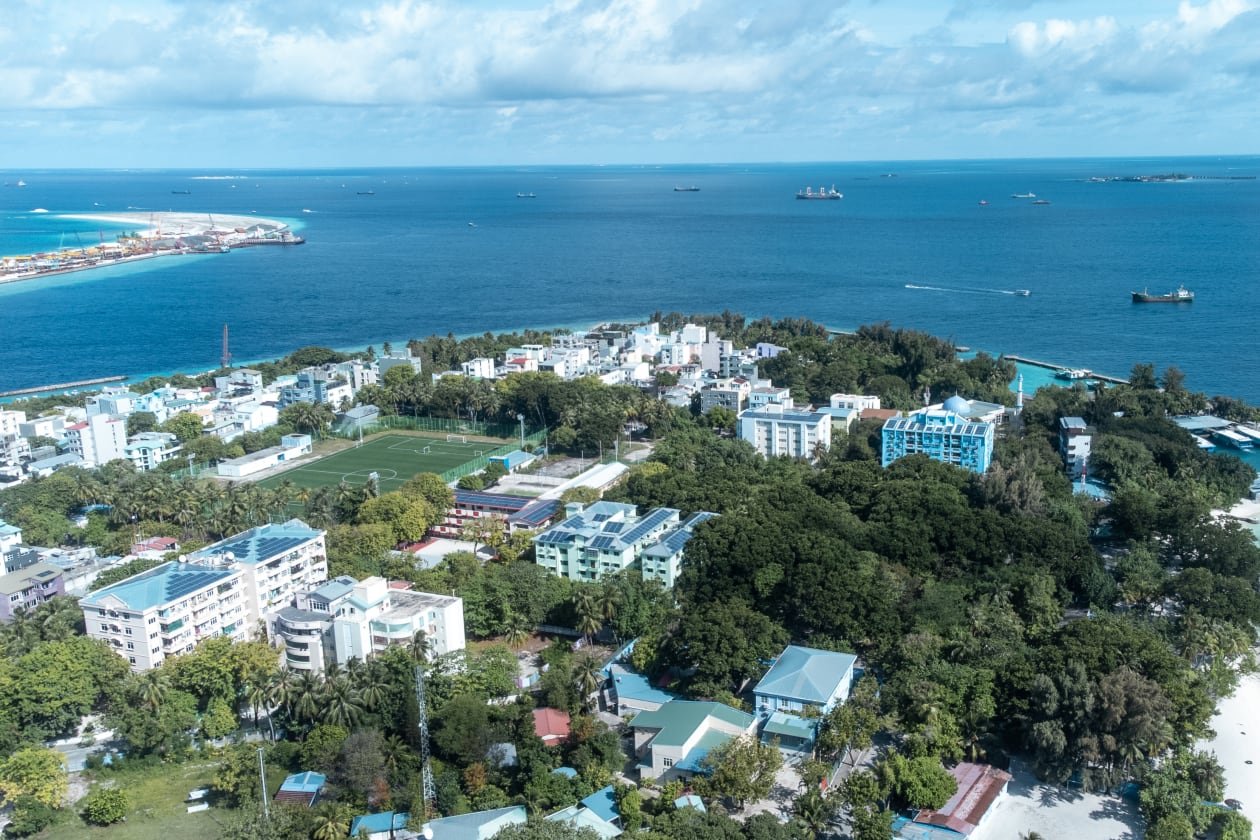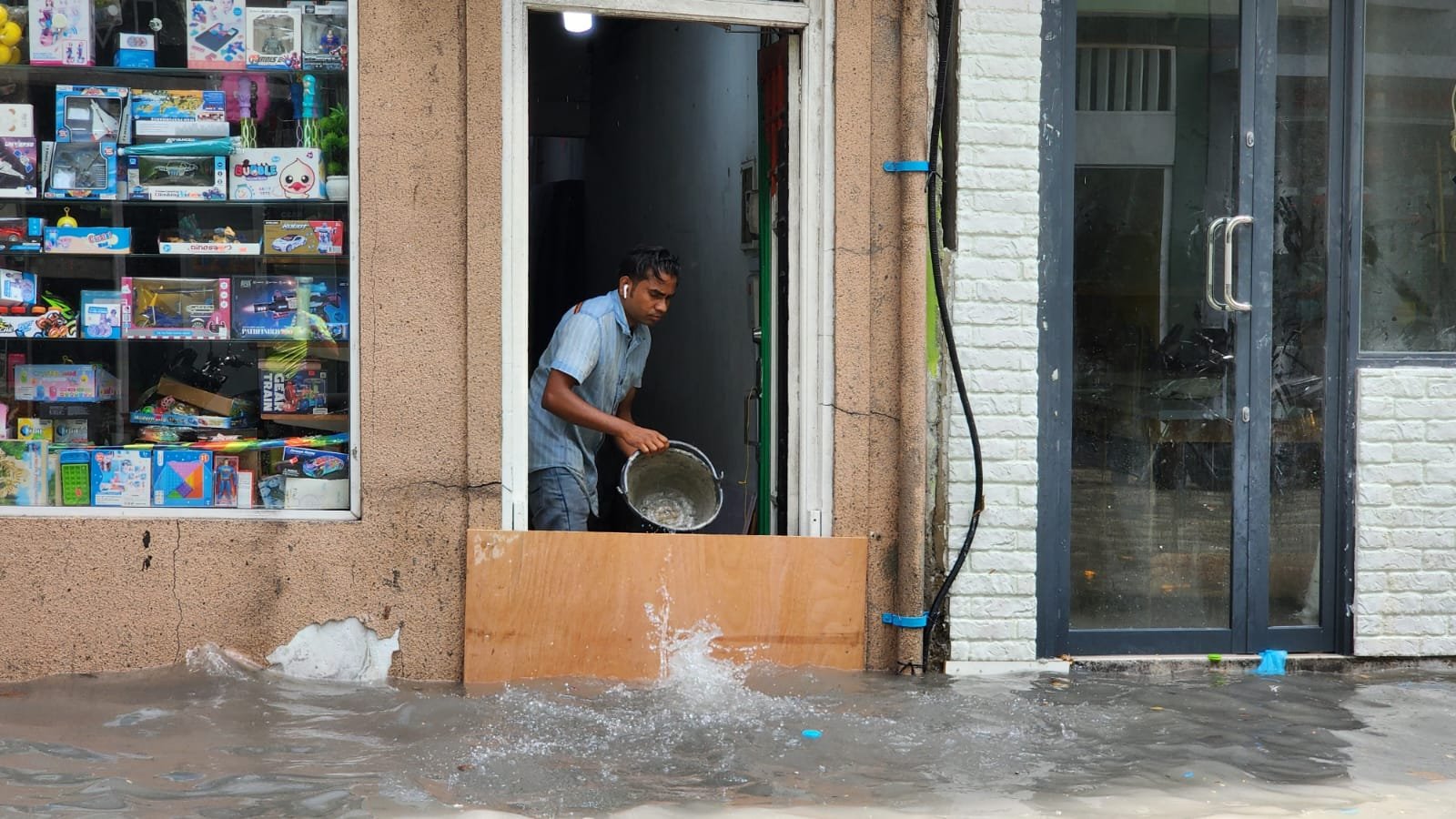
Heavy seasonal rain has caused frequent flooding in islands across the country this year. People were forced to move to temporary shelters and heavy financial losses were reported due to damages caused to property.
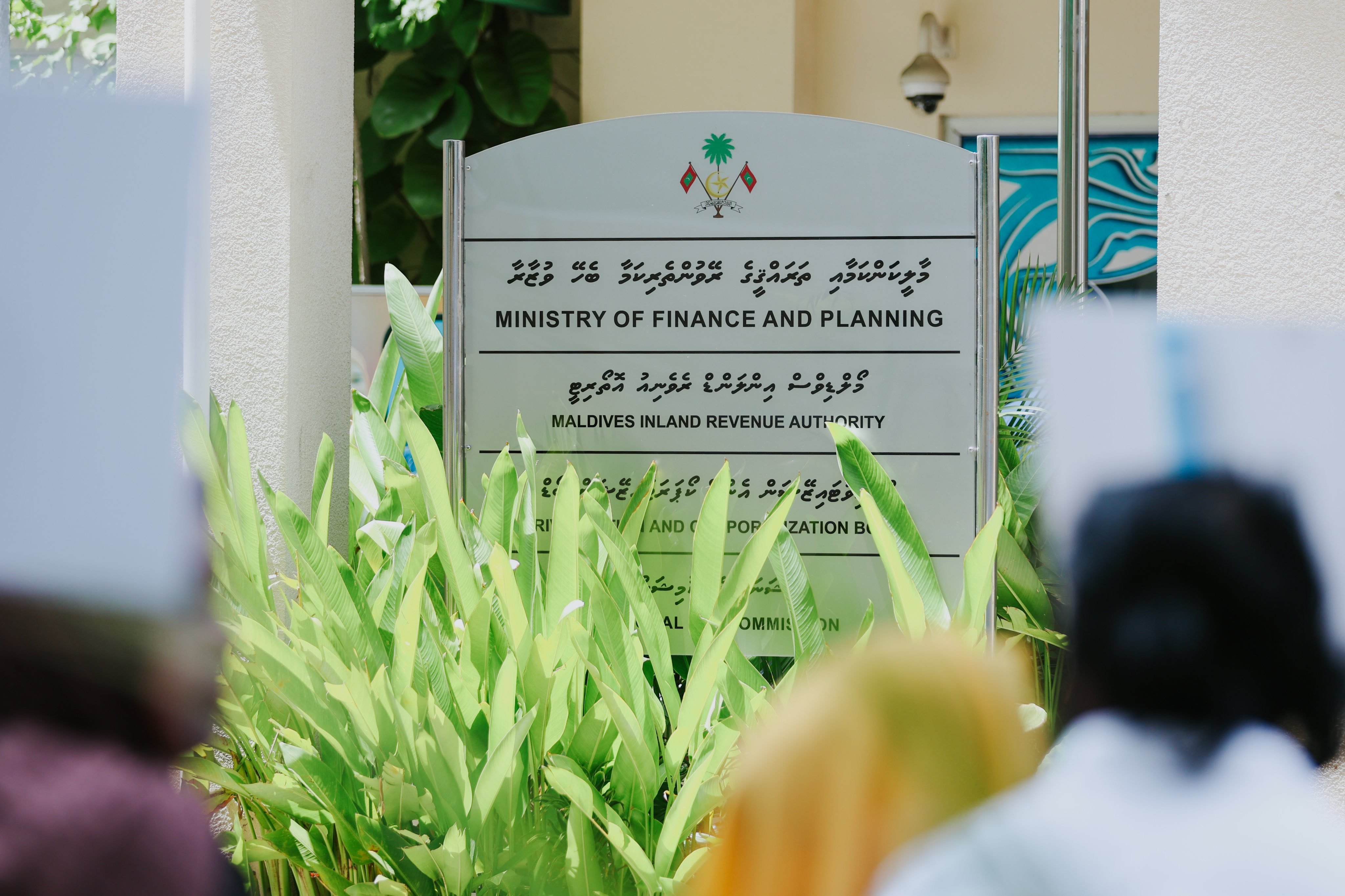
The "Fiscal Risk Statement" released by the Finance Ministry highlights the various financial constraints that the country is facing with climate change. The report describes the changes in climate that are affecting our daily lives.
These include sea level rise, coral bleaching and erosion. Such disasters will pose challenges to the tourism industry, which accounts for 60 percent of Maldives' GDP.
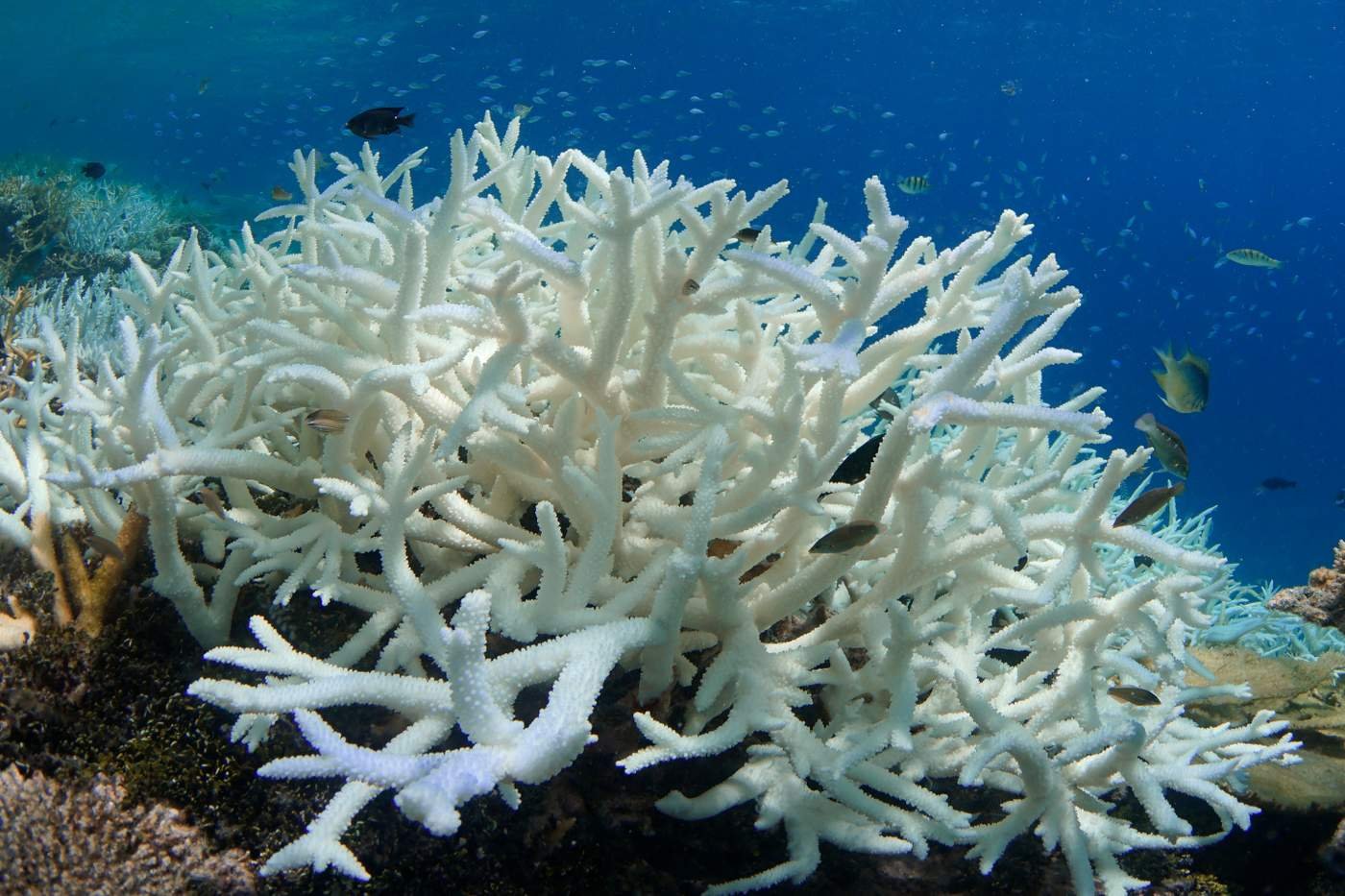
Coral bleaching.
According to the report, the Intergovernmental Panel on Climate Change (IPCC) estimates that global sea levels could rise by one meter by the end of this century. The report notes that this could affect airports and sea ports in the Maldives and has increased the costs of infrastructure projects.
The Finance Ministry statistics show that MVR 146.3 million has been spent on climate change-related disasters so far this year. Over the past 10 years, billions have been spent on climate change-related disasters.
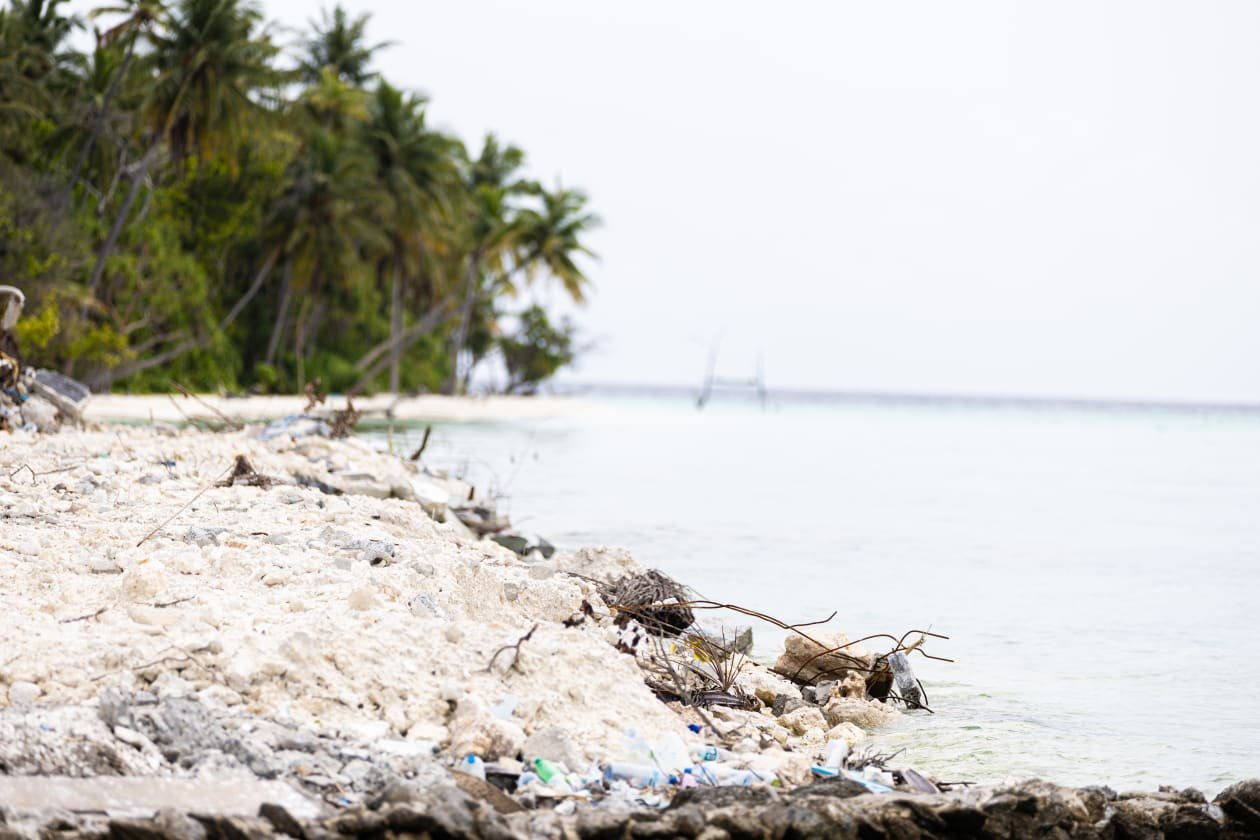
Beach erosion.
In addition to the disasters caused by climate change, the government also spends a lot every year to protect Maldives' delicate environment. This year alone, MVR 2,017.2 million has been allocated for environmental protection. Protecting the environment is an important step to mitigate the damage caused by climate change.
The "Fiscal Risk Statement" stressed the need to cut fossil fuel consumption and increase investment in solar energy to curb emissions in order to mitigate and eliminate financial challenges posed by natural disasters. The report also recommended introducing a carbon tax.