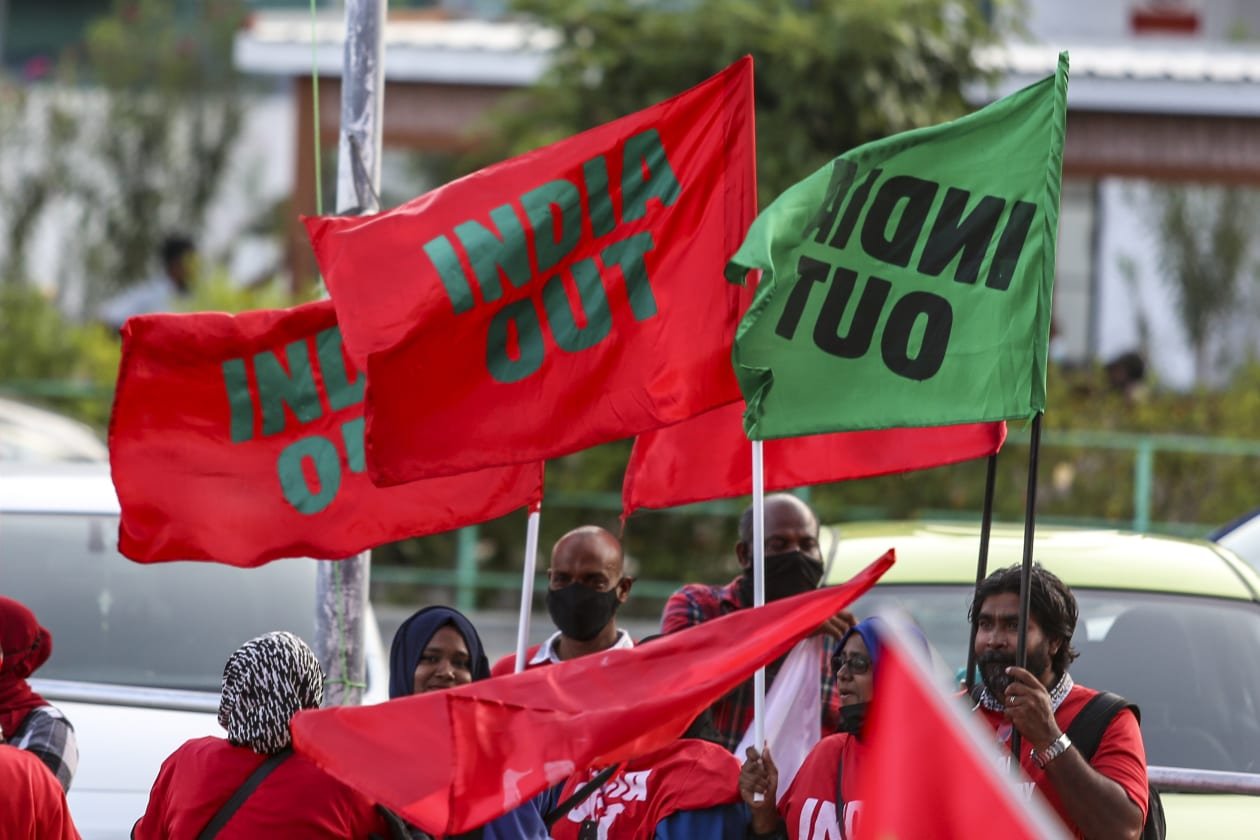
Disclosing the number of Indian soldiers in the Maldives and details of government expenditure on the foreign troops could adversely affect diplomatic relations and create difficulties in importing staple foods, the Information Commissioner's Office (ICOM) said at the high court on Tuesday.
The details were sought under the right to information law by Dhiyares journalist Ahmed Azaan. But after the defense ministry said the information was related to national security and exempted from disclosure, ICOM backed the decision.
Azaan appealed the decision at the high court and the Attorney General's Office filed a third party intervention on behalf of the defense ministry.
The court heard ICOM's and the state's responses to the points of appeal as well as rebuttals from the appellant at Tuesday's hearing. Azaan, who represented himself without a lawyer, responded to written arguments submitted by ICOM.
Citing the military's advisory council, ICOM said at the high court that the requested information was part of a contract that stipulated secrecy. The council also requested non-disclosure as the information was related to national security.
While ICOM decided against disclosure because it could threaten national security, it did not state how the information was related to national security or how disclosure could threaten national security, Azaan stated in one of his points of appeal.
In its written response, ICOM said disclosing the information in breach of a bilateral agreement could pose dangers to the sovereignty of the Maldives.
Citing article 29 of the right to information law, ICOM further noted that state institutions have the discretion not to disclose information that falls under the scope of national security threats defined in the constitution if it feared disclosure would cause irrevocable damage.
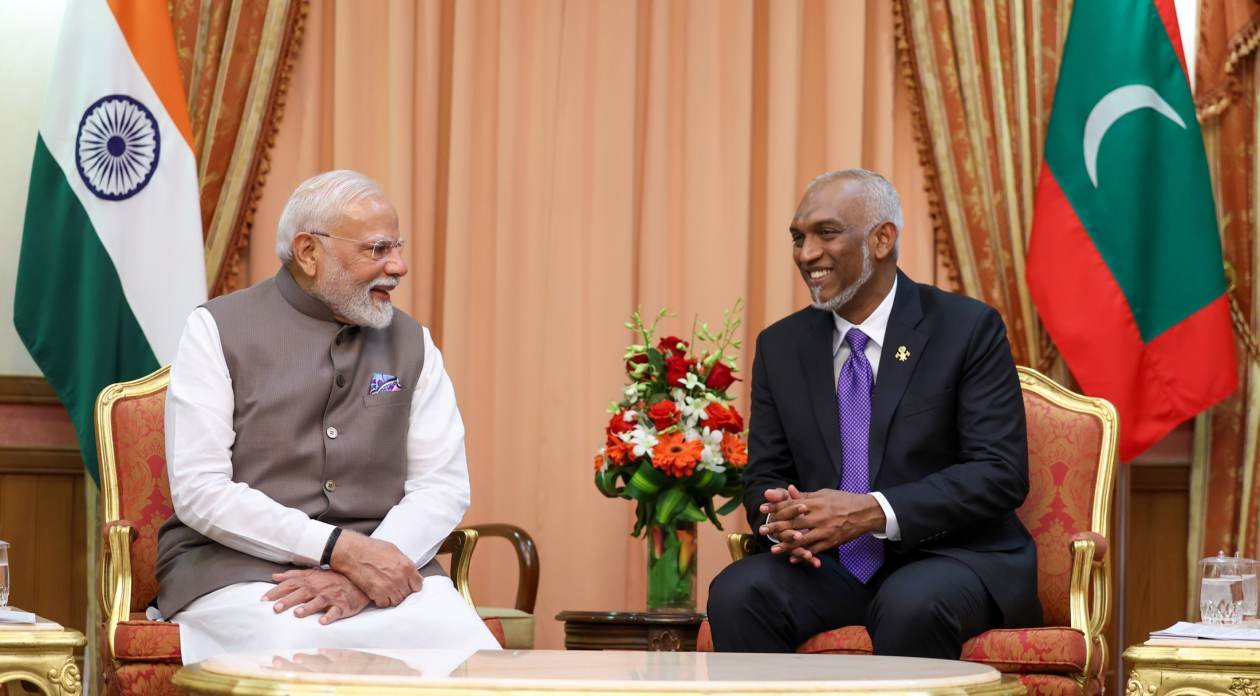
Since the Maldives is a small state dependent on other countries for essential needs, if diplomatic relations with a neighbouring country such as India are disrupted, the possibility that aid the Maldives receives under defence cooperation agreements with India would be cut off is very high, ICOM said.
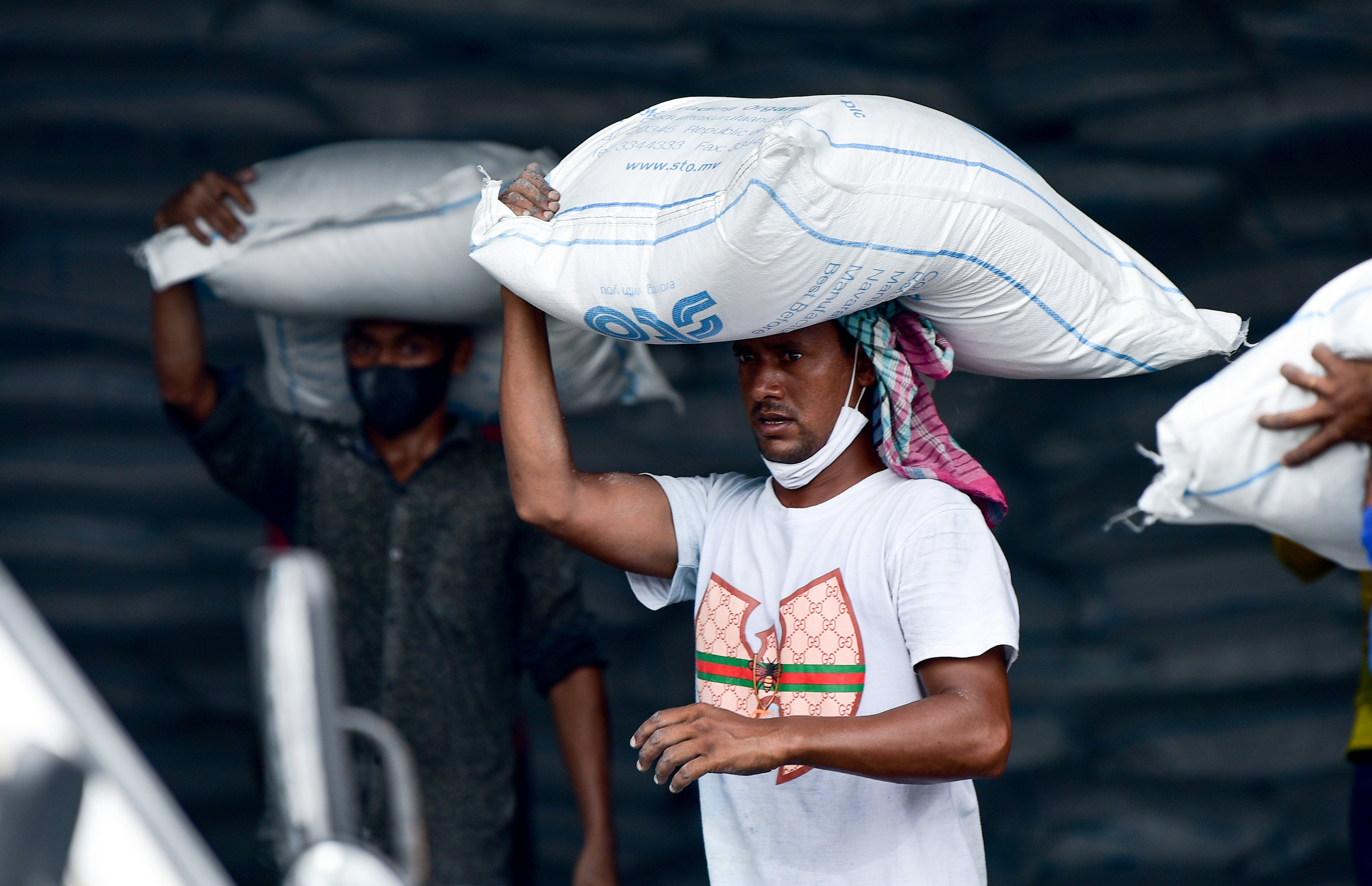
Difficulties could be faced in importing staple foodstuff and there was the possibility that humanitarian assistance provided by such countries would cease, ICOM's response stated.
Azaan said at the high court that ICOM's arguments were baseless. ICOM failed to explain the reason for saying that the Maldives would not be able to import staples if the number of Indian soldiers are revealed, Azaan said.
ICOM's written response further stated that it was not only war that could threaten national security and that it stands to reason that any disruption to bilateral relations could also threaten national security.
If the number of Indian soldiers in the Maldives was revealed, other countries could also demand stationing the same number of troops and disclosing the information would open the door to that, ICOM said.
As information about security arrangements would be gathered when an attack is plotted, ICOM said the defense forces disclosing such information "would certainly be plunging one's country into ruin with one's own hands".
Questions from judges
The high court bench presiding over the case comprises of chief judge Hussain Shaheed, judge Hassan Shafeeu and judge Huzaifa Mohamed.
When judge Shafeeu asked whether ICOM decided not to disclose the information after checking the agreement made by the Maldives government with India, ICOM's lawyer said the agreement had not been seen and that the decision was based on what military officers said at a secret meeting.
Asked if ICOM could verify whether the agreement includes a non-disclosure clause, the lawyers said ICOM has the authority but did not check the agreement in this case. The lawyer said ICOM did not ask for the agreement to be shared.
"It was not checked because it was not important to do so based on what was discussed at the secret meeting," ICOM's lawyer said.
In response, Azaan said ICOM concluded the case based only on what the military said without exercising powers granted by the right to information law to collect information from state institutions.
In addition, Judge Huzaifa questioned whether a secret meeting could be held without the person requesting the information. Both ICOM and the AG office said the law authorizes holding secret meetings. But the purpose of keeping the meeting confidential would be lost if the claimant is present, they said.
Despite ICOM deciding not to disclose the information citing exceptions, Azaan said the right to information law states that such information should be revealed if disclosure was more beneficial to public interest. The bench asked both sides to be prepared for arguments on that point at the next hearing.
The bench also requested both sides to be prepared for arguments concerning the mandate of the military advisory council. The judges also asked for clarification at the next hearing on how other countries act in disclosing the number of foreign troops and the cost of stationing them.
The dispute
ICOM decided not to reveal the number of Indian soldiers with reference to three exceptions noted by the military from the right to information law.
If bilateral relations could be adversely affected, information could not be disclosed under article 25(b) of the law, ICOM's report stated.
Citing article 22(b) of the law, ICOM also noted the exception for the government facing legal action over the failure to uphold secrecy.
The exception granted under article 22(d) covers information that could undermine the government's ability to sustain and manage the country's economy.