Advertisement




Urbányi Urges Patience as Maldives Reflect on Defeat to Sri Lanka
24 މާރިޗު 2026 - 12:43 0
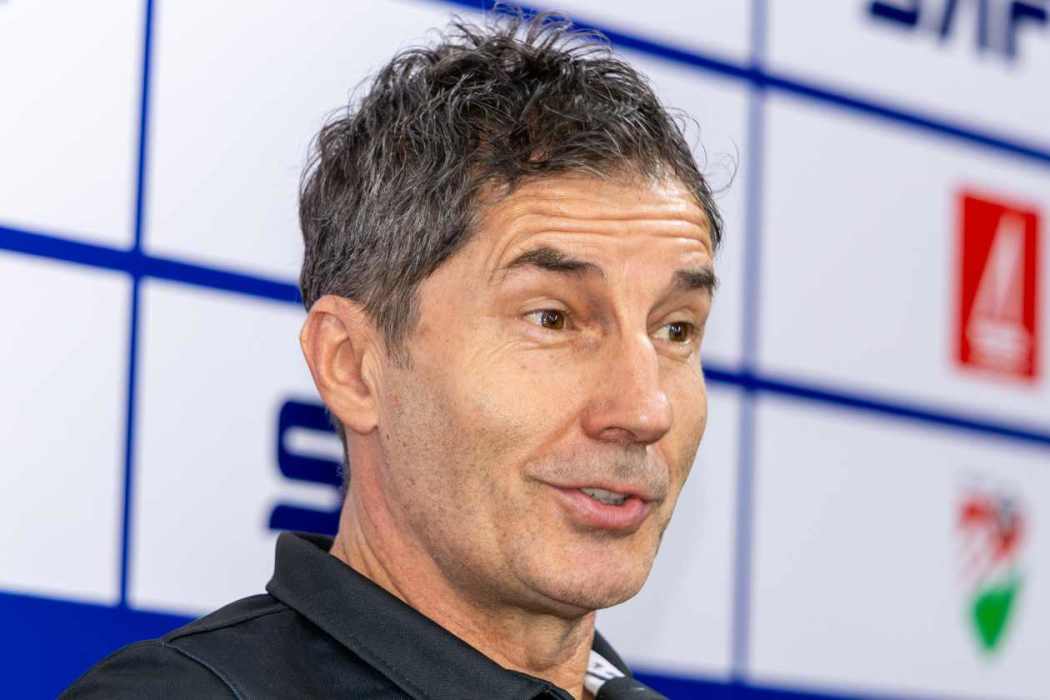
Urbányi Urges Patience as Maldives Reflect on Defeat to Sri Lanka
24 މާރިޗު 2026 - 12:43 0
Male' Maldives - SAFF U-20 Championship opened in dramatic fashion at Galolhu Stadium, where the Maldives national under-20 football team surrendered a two-goal advantage to lose 3–2 against Sri Lanka, a result that left home supporters disappointed but prompted a measured response from head coach István Urbányi, who emphasized development and long-term progress over immediate outcomes.
Maldives began the match with authority, controlling possession and showing confidence in attack during the opening half. Captain Ilan Imran gave the hosts the lead in the 28th minute after receiving a well-timed pass from Ahmed Mikyal Mueen, rounding goalkeeper Shaathin Shaheed before calmly finishing. The home side strengthened its position in first-half stoppage time when Ilan scored again, capitalizing on a delivery from Ahzam Rasheed and a handling mistake from substitute goalkeeper Nadhal Senapal.
At 2–0, Maldives appeared in control and looked capable of managing the game, but the second half exposed weaknesses that coach Urbányi later identified as central to the team’s current stage of development. Sri Lanka changed the pace of the match almost immediately after the restart, scoring within 44 seconds through Mohamed Katheem, whose long-range strike shifted the momentum entirely.
That early second-half goal unsettled the Maldivian side, and Sri Lanka quickly grew stronger in midfield and direct attacking play. The equalizer arrived through Ahamed Hijaazy, whose low shot struck the post before crossing the line, while the winning goal came in the 88th minute when Sri Lanka captain Hussain Abdullah converted from the penalty spot after goalkeeper Xahran Hassan Ziyad fouled Katheem inside the area.
Maldives had one final opportunity to salvage a point in stoppage time, but Ilan Imran’s header from an Ethan Zaki cross struck the crossbar, ending the hosts’ hopes of recovery.
In his post-match assessment, Urbányi focused less on the result itself and more on what the performance revealed about a young squad still learning to manage difficult moments under pressure. He acknowledged that the team made costly individual errors in all three goals conceded and explained that such mistakes are part of the learning process at youth level, particularly in a competitive tournament environment.
The Hungarian coach noted that several players struggled once Sri Lanka increased physical pressure and played more directly after halftime. According to Urbányi, the team became hesitant, passive, and too quick to abandon structured buildup, especially after conceding the first goal of the second half. He pointed out that instead of maintaining possession and composure, Maldives began playing under panic, something he believes must change if the team is to develop a stronger football identity.
A major concern for the coaching staff was the lack of confidence in playing out from the back. Urbányi explained that when defenders become uncertain in possession, the entire team is pushed into direct football, which is not the style he wants this generation to adopt. He made clear that one of his priorities is identifying players who can remain calm under pressure and help build attacks from deeper positions.
The coach also indicated that changes will be made ahead of the next match, both in personnel and tactical approach. Fresh legs are expected to come into the starting lineup, while different combinations may be tested in defence as he looks for better control during buildup phases. Drawing on his previous experience coaching in the Maldives, Urbányi suggested that similar positional adjustments had worked in earlier years when defenders were replaced with more technically secure players.
Despite the disappointment of the defeat, Urbányi repeatedly returned to the idea that the tournament should be treated primarily as a developmental experience rather than a must-win campaign. He stressed that placing excessive pressure on young players can slow progress rather than accelerate it, particularly for a group still building confidence at international level.
He also highlighted that the final minutes of the match offered a positive sign. Once the urgency increased, Maldives showed greater courage, less hesitation, and more willingness to attack without fear, qualities he wants to see from the opening whistle in future matches.
Attention now turns to the next group match against Bhutan, where Maldives will seek both a result and a stronger collective performance. Urbányi believes the team has the technical ability to respond, but insists that improvement in decision making, composure, and game management will be decisive if they are to remain competitive in the tournament.
Comment