The Supreme Court has rejected a constitutional case seeking to invalidate the government's agreement to grant 500 hectares of land from the "Rasmalé" reclamation project at Fushidhiggaru lagoon to Eagle Hills, a company based in the United Arab Emirates (UAE).
The case was filed by legal expert and former Member of Parliament, Ali Hussain.
In a decision issued on Sunday, the Supreme Court Registrar said that the matter could not be accepted as it does not fall under the categories of cases that must be submitted to the Supreme Court as a court of first instance, as stipulated in Section 11 of the Judicature Act.
The Jurisdiction of the Supreme Court
According to Section 11 of the Judicature Act, the Supreme Court can only accept a case directly in the first instance if one of the following three conditions is met:
- Issues that could lead to a constitutional vacuum or the collapse of the constitutional order.
- Disputes between two state institutions or branches of power regarding the interpretation of the Constitution.
- Constitutional matters concerning the general public interest.
Such cases must be presided over and decided by a bench consisting of at least five Supreme Court justices, with all justices present.
The petitioner has the right to appeal the Registrar’s decision to the Supreme Court’s Chamber of Judges within 14 days if they are dissatisfied with the ruling.
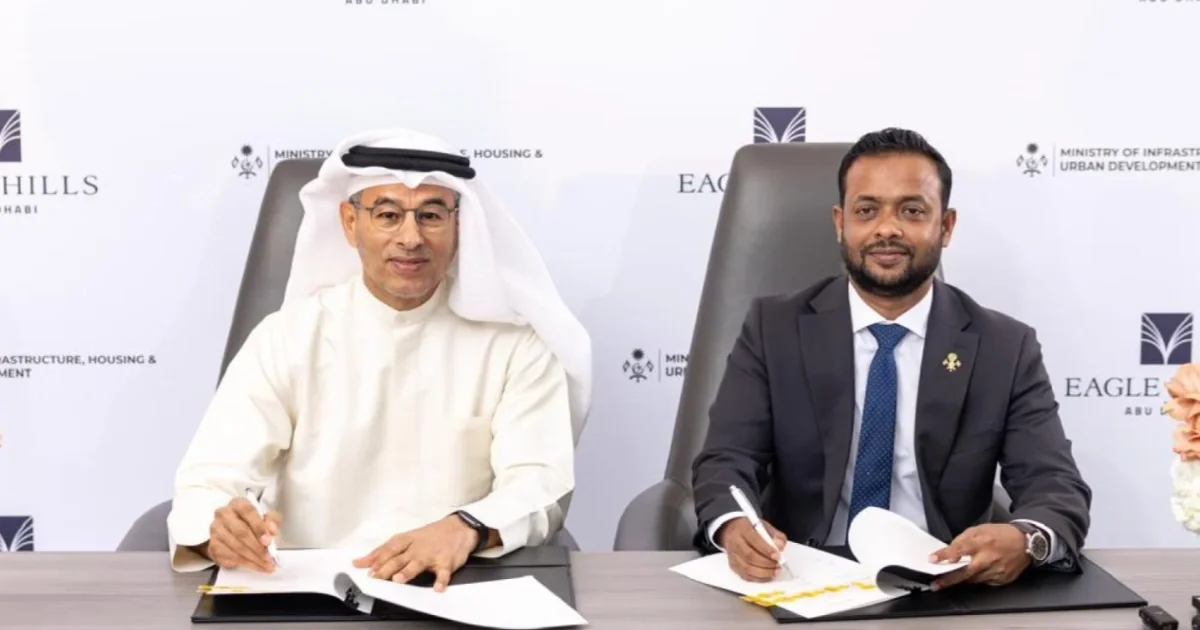
In his filing, Ali Hussain contended that the agreement signed between the Ministry of Construction and Infrastructure and Eagle Hills on September 21, 2026, to grant land from Rasmalé for 99 years, violates Article 250(a) of the Constitution.
The petition further alleged that a clause in the agreement—which allows third parties to acquire properties for an additional 99 years through sale or inheritance during the initial lease term—conflicts with Article 251(a) and (b) of the Constitution. Citing Article 268 of the Constitution, the petitioner requested the court to declare the agreement and the decision to enter into it null and void.
Furthermore, the petitioner sought a temporary injunction ordering the government to suspend the implementation of the agreement with Eagle Hills and to refrain from any actions that could create third-party rights until a final judgment is reached.
While a secret agreement was signed to grant 500 hectares of Rasmalé to Eagle Hills, the land was provided entirely free of charge, without any lease acquisition cost or rent.
The company has already begun marketing apartments on the island, which are intended for permanent residency by wealthy foreign tycoons. Despite facing intense criticism over the deal, the government has defended the transaction, likening it to the standard procedure for leasing resorts and claiming it will generate unprecedented revenue for the Maldives.
However, the petitioner and other critics argue that the criteria under which this land was granted remain unclear. Some have also expressed concerns that the project could facilitate the permanent settlement of non-Muslims in the Maldives, potentially leading to the spread of other religions in the country.