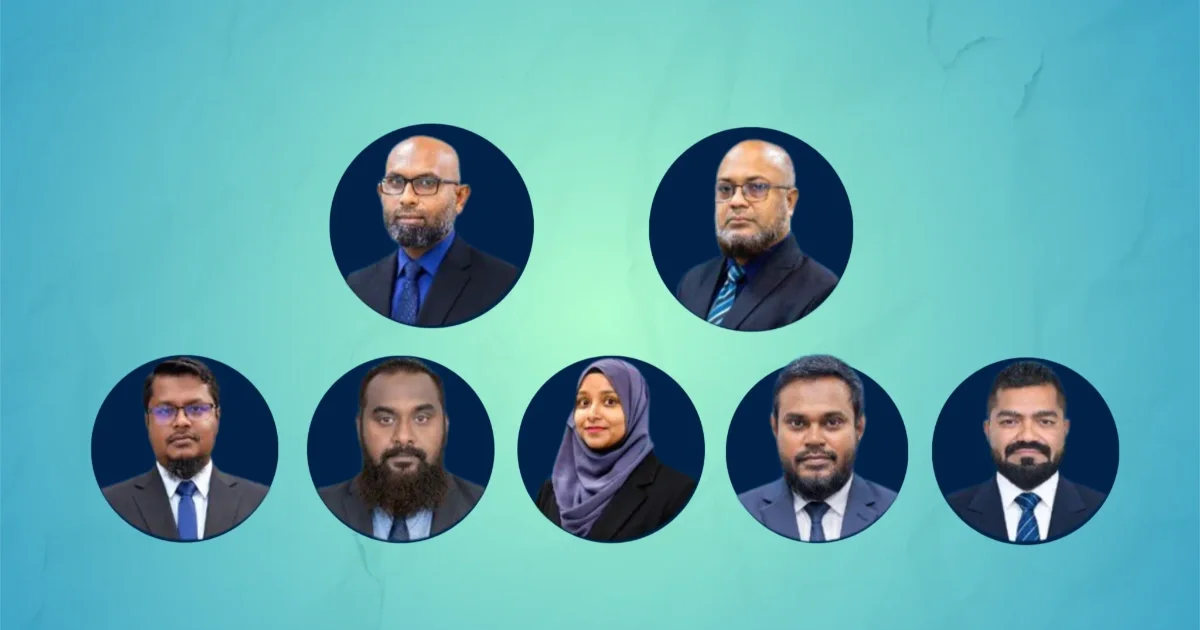
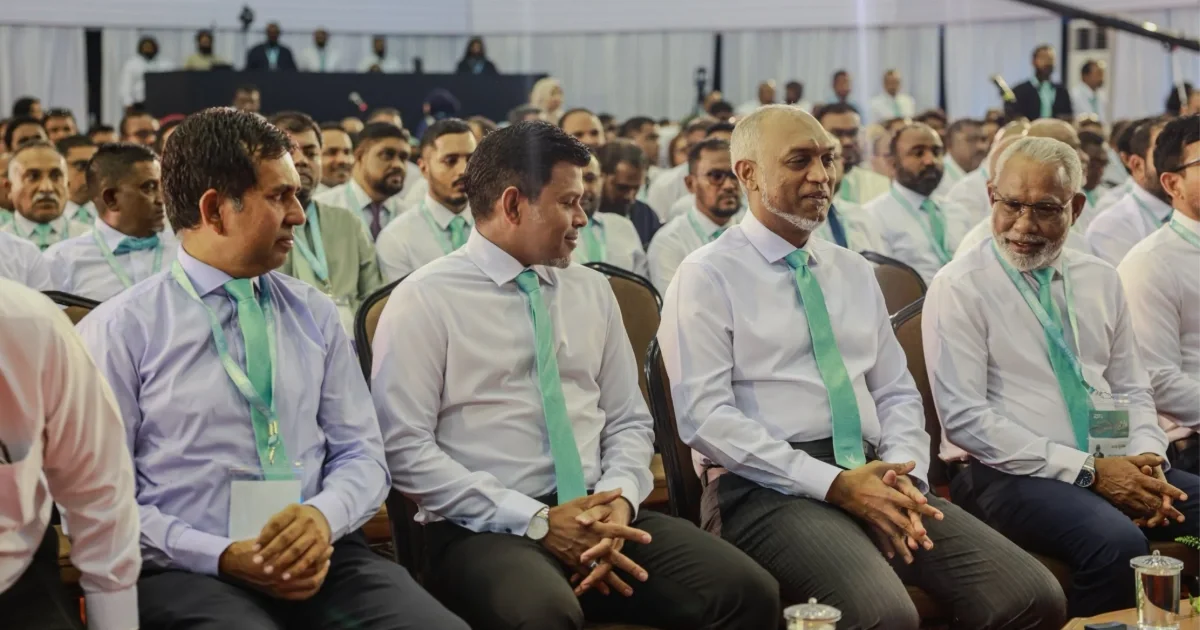
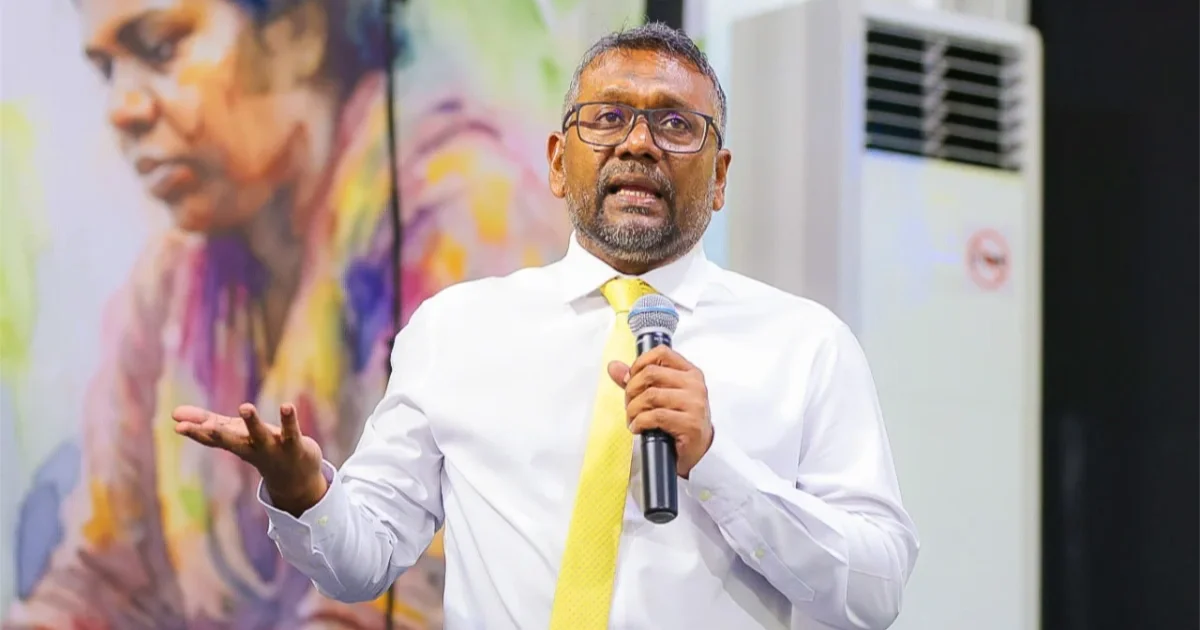
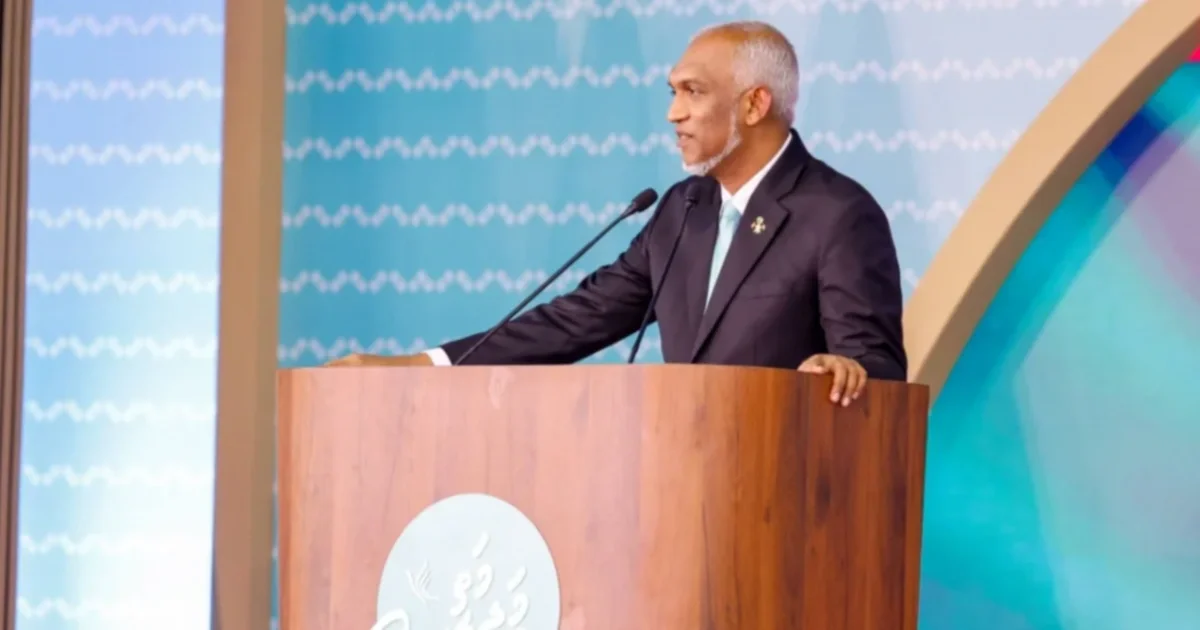
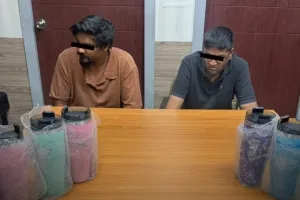
The Criminal Court has scheduled the trial of Adhadhu CEO Hussain Fiyaz Moosa and Editor Hassan Mohamed for October 22, after rejecting several key defence witnesses in a case connected to the "Aisha" documentary.
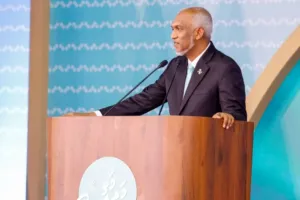
During a preliminary hearing held today to decide on pre-trial motions, the court moved to exclude critical evidence submitted by the defence. Among the rejected witnesses were President Mohamed Muizzu and a legal expert on the Penal Code. However, the court accepted the testimony of several journalists from Adhadhu who were proposed as witnesses.
The Criminal Court also ruled today that the case meets the civil burden of proof required to proceed to trial. Furthermore, the court decided to consolidate the proceedings with the trial of a former President’s Office employee who has also been charged in connection with the matter.
The Qazf (an Islamic criminal charge of falsely accusing someone of adultery) charges against Fiyaz and Hassan allege that, in their roles as editors, they published a documentary suggesting President Mohamed Muizzu had engaged in an extramarital affair with a President’s Office staff member.
The police investigation into the matter was initiated only after Muizzu was questioned about the documentary a month after its release. During that press conference, the President directed authorities to investigate the documentary and prosecute everyone involved in its production.
Following the President’s directive, police raided the Adhadhu office and seized all electronic devices used for journalistic work, including laptops and hard drives. The passports of Hassan and Fiyaz were confiscated a day later, and a travel ban was imposed on them.
The crackdown intensified on May 12, when Adhadhu journalist Mohamed Shahuzan was removed from a President’s Office press conference after questioning the President about evidence related to the documentary; Shahuzan was then jailed for 15 days. Additionally, Adhadhu journalist Leevan Ali Nasir was sentenced to 10 days in prison for reporting on a court order that prohibited public discussion of the allegations against Muizzu.