Several businesses have expressed concern to Adhadhu regarding difficulties caused by lengthy delays in processing Telegraphic Transfers (TTs) through the Bank of Maldives (BML) for the procurement of overseas goods and services.
Business owners who spoke to Adhadhu noted that even after securing the necessary funds, it takes between 15 and 20 days for a TT to be processed. They highlighted that these delays in processing payments have hindered the timely import of essential goods, resulting in financial losses.
"TTs sent to foreign suppliers via the Bank of Maldives are being held for two to three weeks under the guise of 'processing,' causing irreparable damage to businesses," one entrepreneur shared on X.
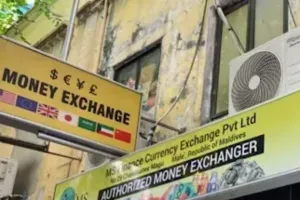
Furthermore, the businessman noted that due to a lack of dollar support for certain TTs and the absence of a streamlined system, they are forced to purchase dollars at inflated rates from the black market. Other traders echoed these sentiments, stating that the prevailing dollar shortage has made it impossible to acquire the necessary foreign currency.
On August 25, the Maldives Monetary Authority (MMA) announced that it had launched a special operation to curb the use of fraudulent TTs, noting that some individuals were exploiting the system to obtain foreign currency from banks. Additionally, the government has introduced measures aimed at dismantling the dollar black market.
Despite President Mohamed Muizzu’s announcement that 50 percent of business TTs are now supported at the official exchange rate, the issue of unprocessed TTs—even those funded independently by businesses without bank support—continues to escalate.
The dollar shortage in the Maldives has reached critical levels, with black market rates soaring to unprecedented highs. However, both BML and the government have been accused of attempting to downplay the crisis and mislead the public regarding the severity of the shortage.
Complaints are also mounting regarding the inability to use BML-issued cards for transactions on foreign websites. These restrictions have impacted students living abroad, individuals seeking medical treatment overseas, and private citizens attempting to make international payments.