Economic experts have attributed the rising dollar exchange rate on the Maldives' black market to the failure of government policies and an inability to secure foreign financing.
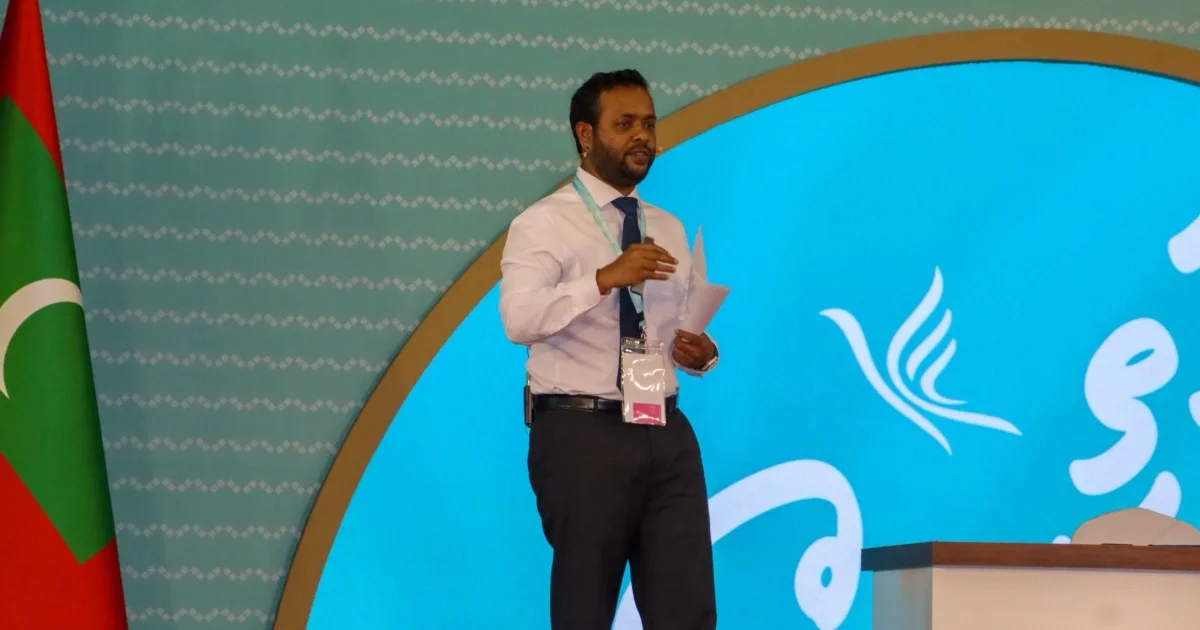
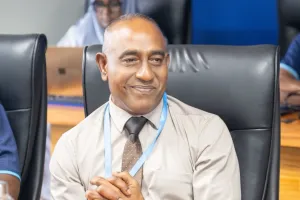
Speaking during the "Dollar Salla" program hosted jointly by Sangu TV and Adhadhu, former Chief Budget Executive Ahmed Saruvash Adam said that there are three avenues for the Maldives to secure foreign currency.
The first method is through direct market access, which he noted requires building investor confidence in the economy. He emphasized that the government and the central bank must demonstrate sound economic management and provide positive indicators of fiscal stability.
He further noted that international credit rating agencies adjust a country’s credit rating based on these factors.
"Market access is sometimes lost. For instance, when a rating is downgraded twice, market access is essentially gone. The next source is bilateral funding, which is a matter of foreign policy," Saruvash said.
He argued that the current administration has failed to secure any funds through bilateral relations due to a breakdown in foreign policy.
The third option, according to Saruvash, is seeking assistance from international financial institutions such as the IMF. However, he noted that accessing such funds requires implementing credible reform measures—a commitment he says has been absent from the current administration.
"What we have seen is a deterioration in relations with financial institutions, with a lack of dialogue and engagement. Bilateral ties have also soured to the point where funding for projects and budget support is no longer forthcoming," Saruvash added.
He explained that when these avenues are closed, the only option is to service debt using domestic reserves. This practice, he warned, depletes foreign currency levels below what is essential for the country's internal needs.
"The only remaining choice is to gather every available resource we have to settle the debt on the day it falls due, isn't it?" Saruvash remarked.
On April 2, the government settled a total of USD 524.68 million, which included a USD 500 million principal repayment and USD 24.68 million in interest for a sukuk due that month.
This bond, issued five years ago during the MDP administration, was used to refinance the USD 250 million "Sunny Side" bond taken out by the preceding government.
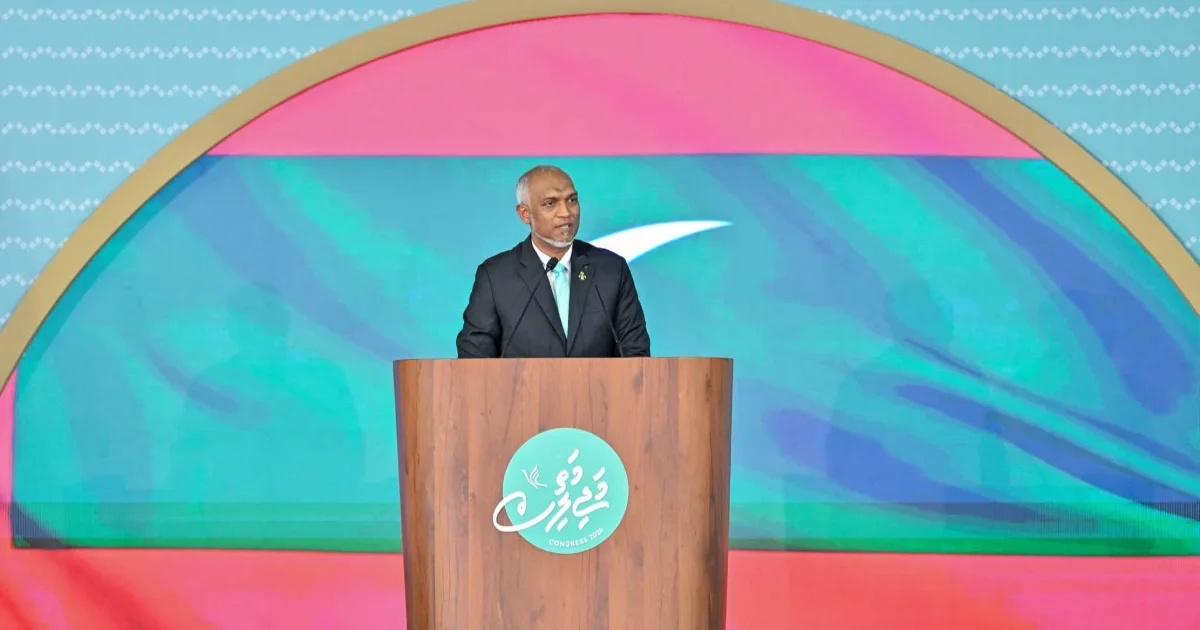
President Mohamed Muizzu had previously announced during a press conference on March 2 that the government’s plan was to utilize the Sovereign Development Fund (SDF) and national reserves to repay the sukuk. At the time, the President stated that there was USD 320 million in the SDF and USD 330 million in usable reserves.